High-Performance H77 Series CNC Self-Centering Vises for Precision Workholding
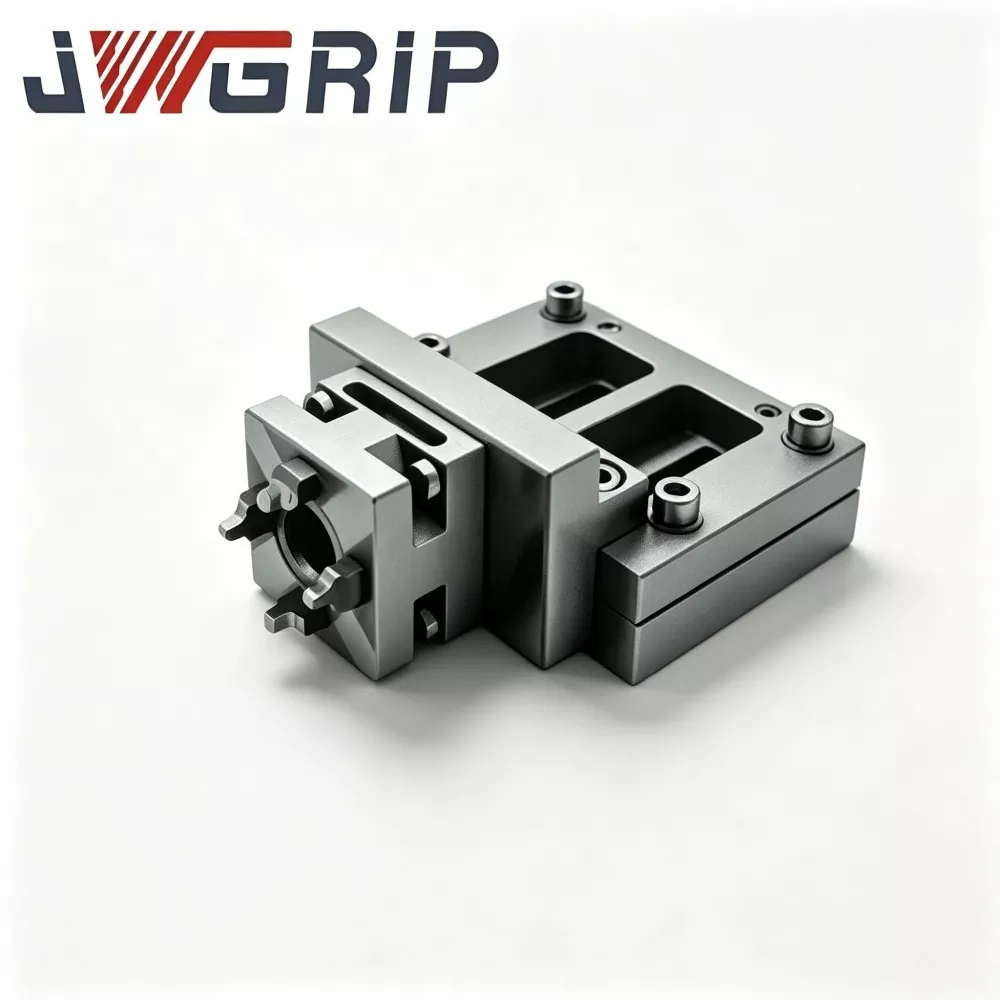
As an application-oriented volume manufacturer of H77 Series CNC Self-Centering Vises, JWGRIP supplies compact self-centering vise bodies, swap-ready hard jaw sets and re-machinable soft-jaw blanks for small-and-medium machining workshops and technicians processing variable-size blanks with limited CNC table space. Finite-element structural analysis and standardized mass production ensure stable jaw opening range and centering accuracy. This space-saving clamping hardware delivers efficient fixture setup for high-variance mixed-batch production. JWGRIP also provides Zero Point Pallet Series and Quick Change Fixture Disc Series for integrated workholding solutions with fast fixture turnover.
Common Pain Points
Many small-batch workshops constantly switch between different blank widths. Traditional single-screw vises require repeated manual offset adjustment every time part dimensions change. Operators spend considerable time measuring, adjusting jaw gaps and re-centering workpieces before each new batch can start cutting.
What happens if operators rely purely on visual judgement during manual adjustment?
Centering deviation will emerge. Even minor centering error will create uneven material allowance, causing uneven tool wear and inconsistent finished-part dimensional results across the whole batch.
How can you free up precious table space on 3-axis and five-axis machines?
Standard large-size vises occupy excessive mounting area, limiting how many fixtures you can arrange for multi-part simultaneous machining. Many machine owners overlook that compact vise hardware can unlock extra available table real estate without purchasing new machine equipment.
Is self-centering clamping only suitable for symmetrical parts?
A widespread misconception among machinists. With properly modified soft jaws, these vise units can reliably grip asymmetrical blanks, cast parts and irregular-shape raw stock for milling operations.
Product functional differences
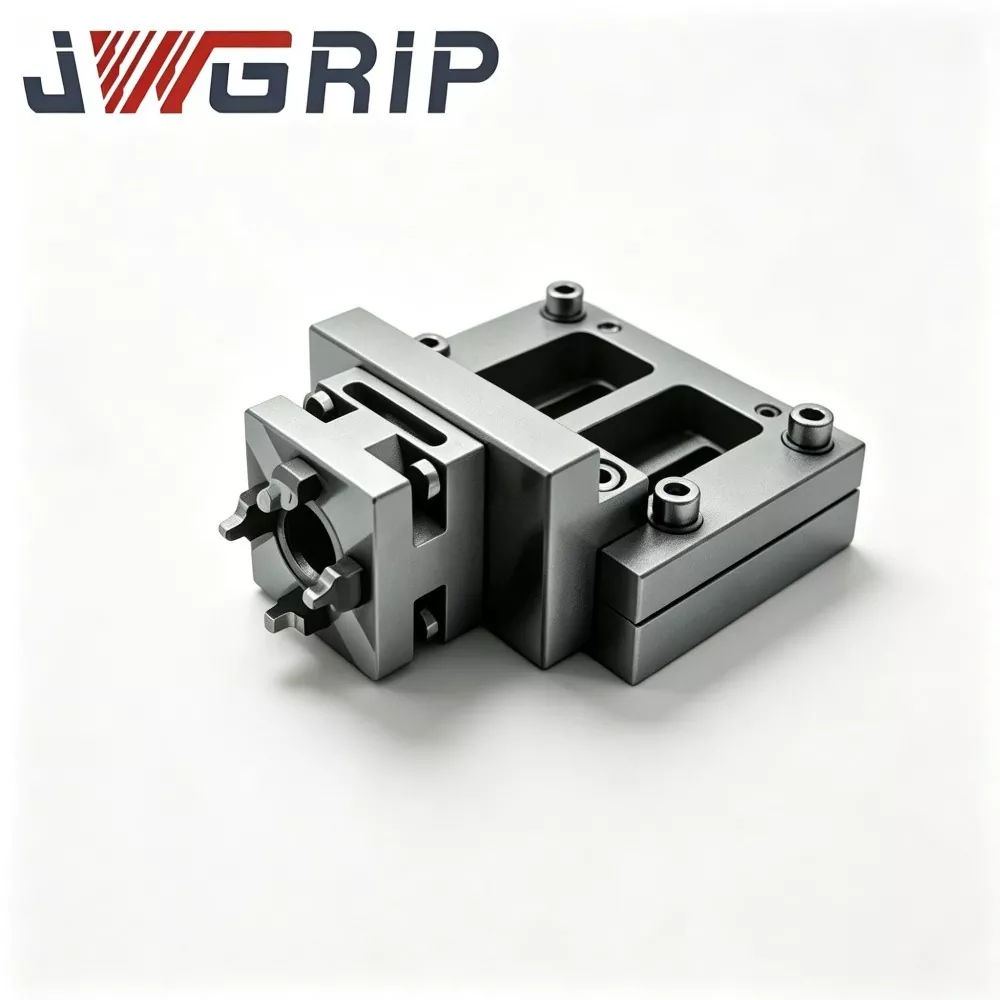
Compact High Precision Self Centering Zero Point Vise with Hard Jaws:
Built with hardened integral hard jaws. This variant excels in repetitive clamping of standard-dimension solid blanks. Its small outer outline helps conserve machine-table space for multi-fixture layout. Hard jaw surfaces resist abrasion after long-term continuous-batch production.
Extended Travel Self Centering Zero Point Vise with Soft Jaws:
Features enlarged jaw opening stroke and adopts replaceable machinable soft-jaw blanks. Operators can mill custom profiles onto soft-jaw bodies to match special outer contours of workpieces, removing the need for dedicated custom-built jigs for every new part variant.
Large Travel Self Centering Zero Point Vise with Soft Jaws for CNC Milling:
Delivers further expanded jaw travel range, well-adapted for medium-size box-shaped blanks in general 3-axis milling tasks. It maintains stable centering performance under moderate-intensity milling cutting forces.
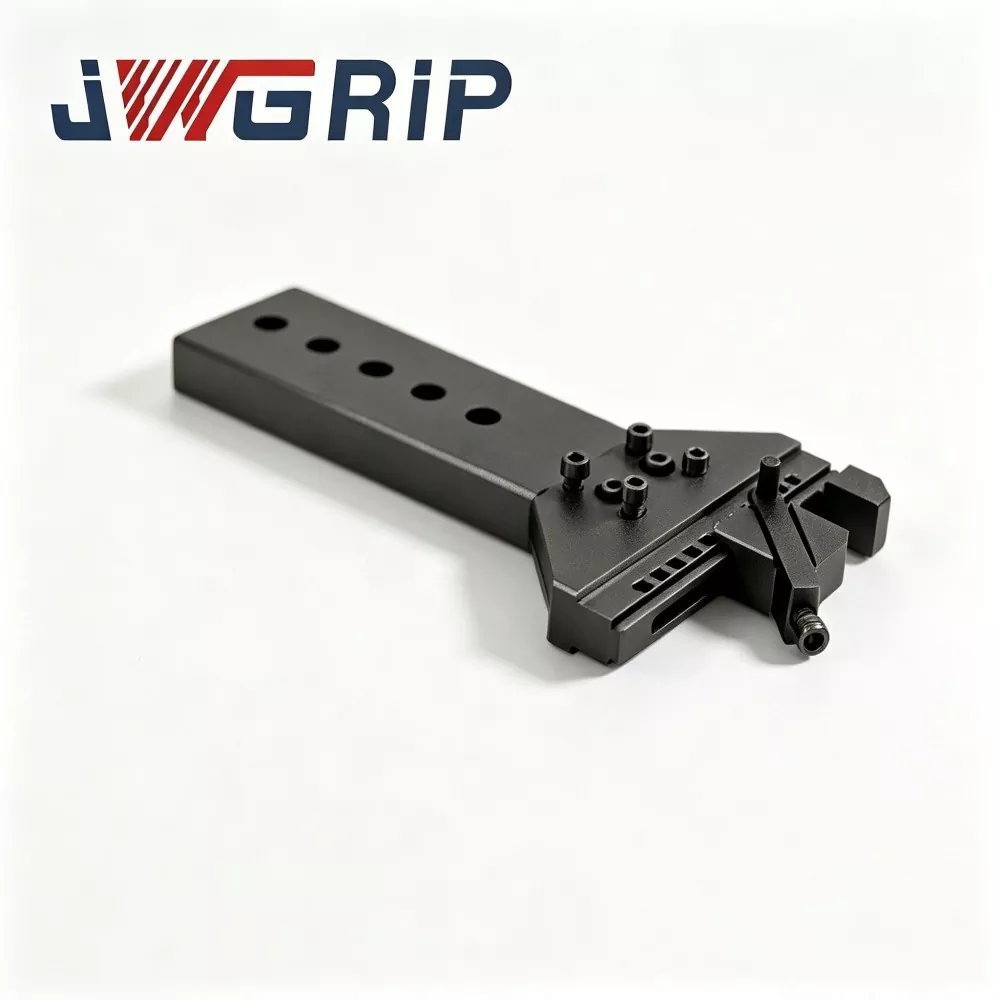
Large Travel Self Centering Vise with Soft Jaws for 5 Axis CNC Machining:
Optimized structural height and slim side profiles for five-axis machining. Reduced overall height lowers the risk of spindle-tool collision during complex angular tilting movements of five-axis machine tables.
Selection Guidance
When should you select hard-jaw setups?
Hard jaws are the preferred choice for mass-repeated clamping of regular-shaped steel, aluminum and alloy blanks. Hardened contact surfaces resist scratching and deformation under repeated clamping cycles. Hard jaws demand little maintenance and can run stably for long production cycles.
What conditions call for machinable soft jaws?
Whenever you handle irregular castings, forgings, profiled extrusions or one-off custom blanks, machinable soft jaws become the practical option. Operators can machine inner contours matching workpiece outer geometry directly onto soft-jaw bodies inside your workshop.
What practical pitfalls should you avoid when using soft jaws?
After repeated machining modification, soft-jaw material thickness will decrease. Excessively thinned jaws will lose rigidity and introduce clamping flex. Users must track residual jaw thickness and replace soft-jaw blanks once thickness falls below the safe threshold.
Operation Tips
1.What benefits come from pairing these vise units with Zero Point Pallet Series?
The vises can be pre-loaded with workpieces on pallets away from the machine. Complete pre-assembled assemblies can be swapped onto machine-side chucks within seconds, cutting down on-machine setup time significantly.
2.What compatibility points deserve attention when matching with Quick Change Fixture Disc Series?
Confirm mounting hole spacing before installation. Correct mounting guarantees that self-centering vises can be relocated across different fixture discs without secondary alignment correction.
3.What operational habits should be adjusted after adopting zero-point compatible self-centering vises?
Do not treat the vise itself as the primary datum. The unified datum comes from the underlying pallet or fixture disc. All workpiece offset setting should reference the zero-point base rather than vise-body features.
Material Design & Manufacturing Characteristics
Main vise body is forged alloy steel and undergoes full quenching and tempering treatment. Critical sliding guiding surfaces receive precision grinding to lower friction and ensure smooth synchronous jaw movement. Synchronous screw-gear components are strictly inspected to prevent jaw asynchronous drifting after thousands of clamping cycles.
Every finished vise goes through centering deviation testing, clamping force verification and jaw-stroke detection before shipment. Interfaces reserved for zero-point connection follow consistent dimensional standards for cross-hardware interoperability.
Custom-service covers modified jaw opening limits, special-height bodies and non-standard mounting hole layouts to fit unique fixture requirements from different production workshops.
Maintenance Notes
Self-centering performance will gradually degrade if chips and cutting-fluid residue accumulate inside the internal screw and slide-guide cavity. Regular cleaning of sliding mechanisms plus proper lubrication is essential to preserve original centering accuracy. Even high-quality vise hardware cannot sustain consistent precision if swarf and corrosive coolant remain trapped inside moving cavities for extended production periods.
- View as
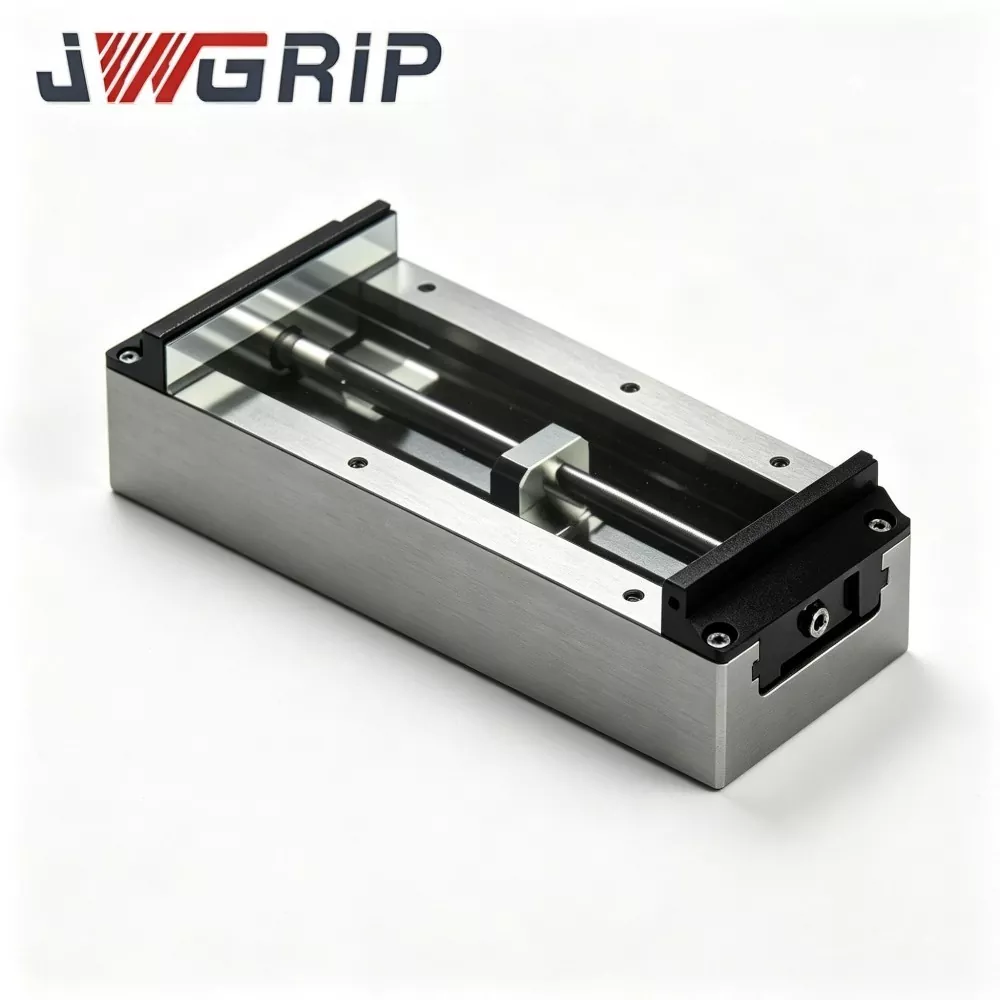
Large Travel Self-Centering Vise with Soft Jaws for 5 Axis CNC Machining
JWGRIP is the professional manufacturer and supplier of high-end Large Travel Self-Centering Vise with Soft Jaws for 5 Axis CNC Machining in China, providing Factory Direct sales service with standard products fully in Stock for prompt global delivery. It is a new-design, high-performance integrated clamping fixture exclusively optimized for 5-axis CNC machining working conditions. Adopting large-travel clamping structure and machinable flexible soft jaw design, it integrates adaptive multi-angle positioning and anti-interference structural advantages into a single unit, requiring no extra auxiliary tooling.
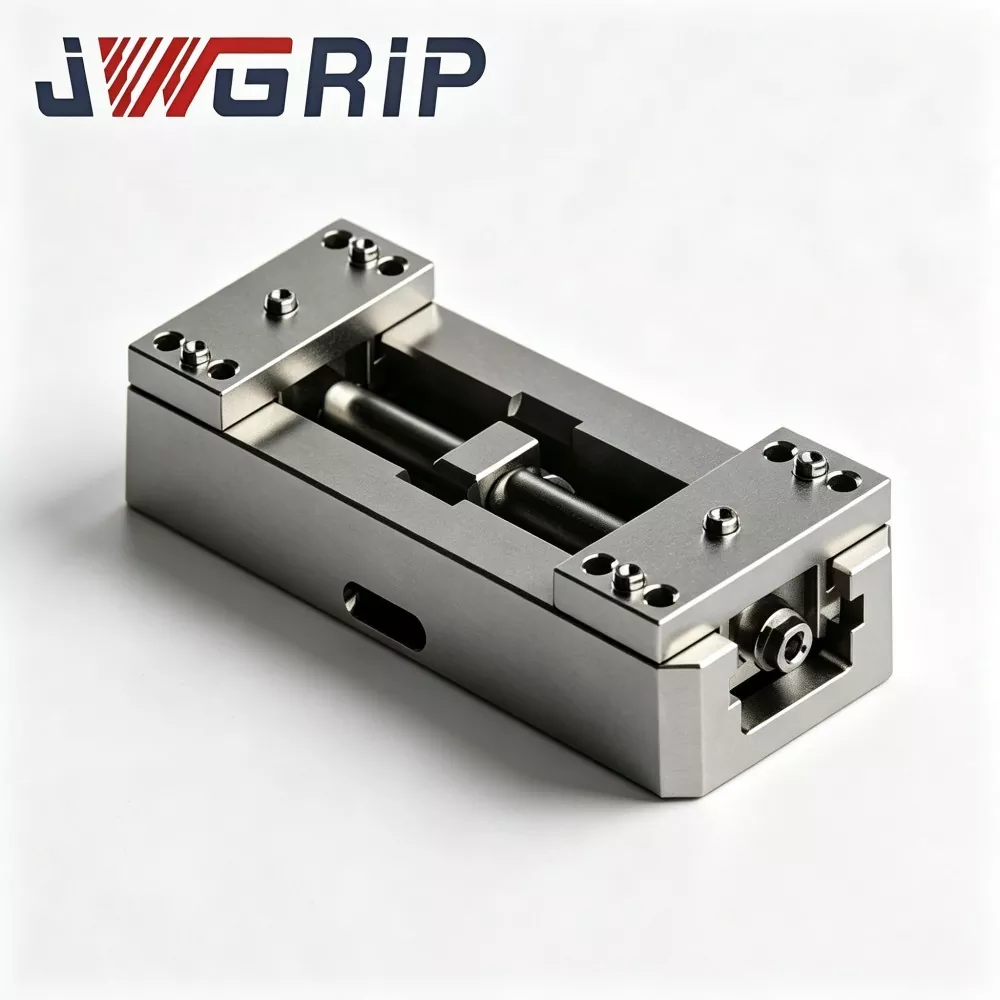
Large Travel Self-Centering Zero Point Vise with Soft Jaws for CNC Milling
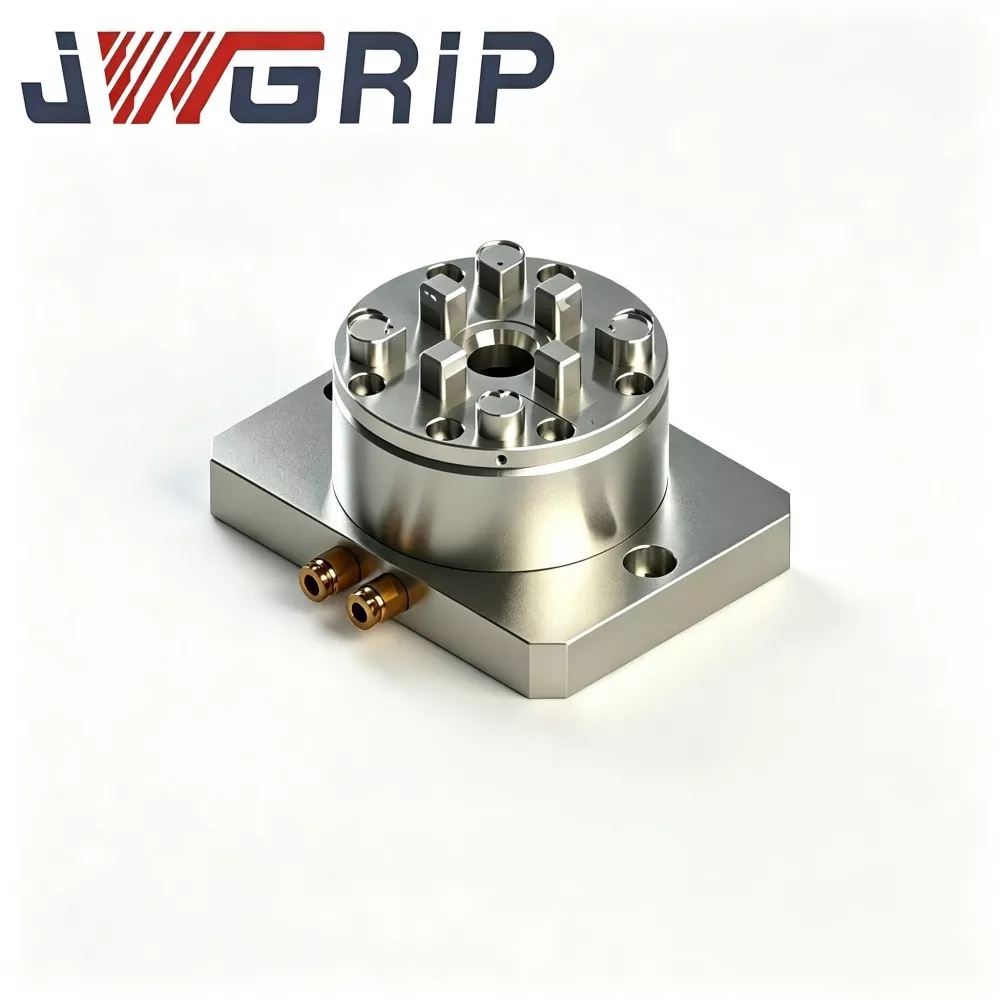
JWGRIP is the professional manufacturer and supplier of Factory Direct & OEM Large Travel Self-Centering Zero Point Vise with Soft Jaws for CNC Milling in China. It is a new-design, high-performance integrated zero-point quick-change clamping fixture specially engineered for CNC milling production scenarios. It integrates large-travel clamping structure, modifiable flexible soft jaw configuration and universal zero-point positioning datum into a single unit, eliminating the need for additional auxiliary fixture blocks and repeated manual alignment.
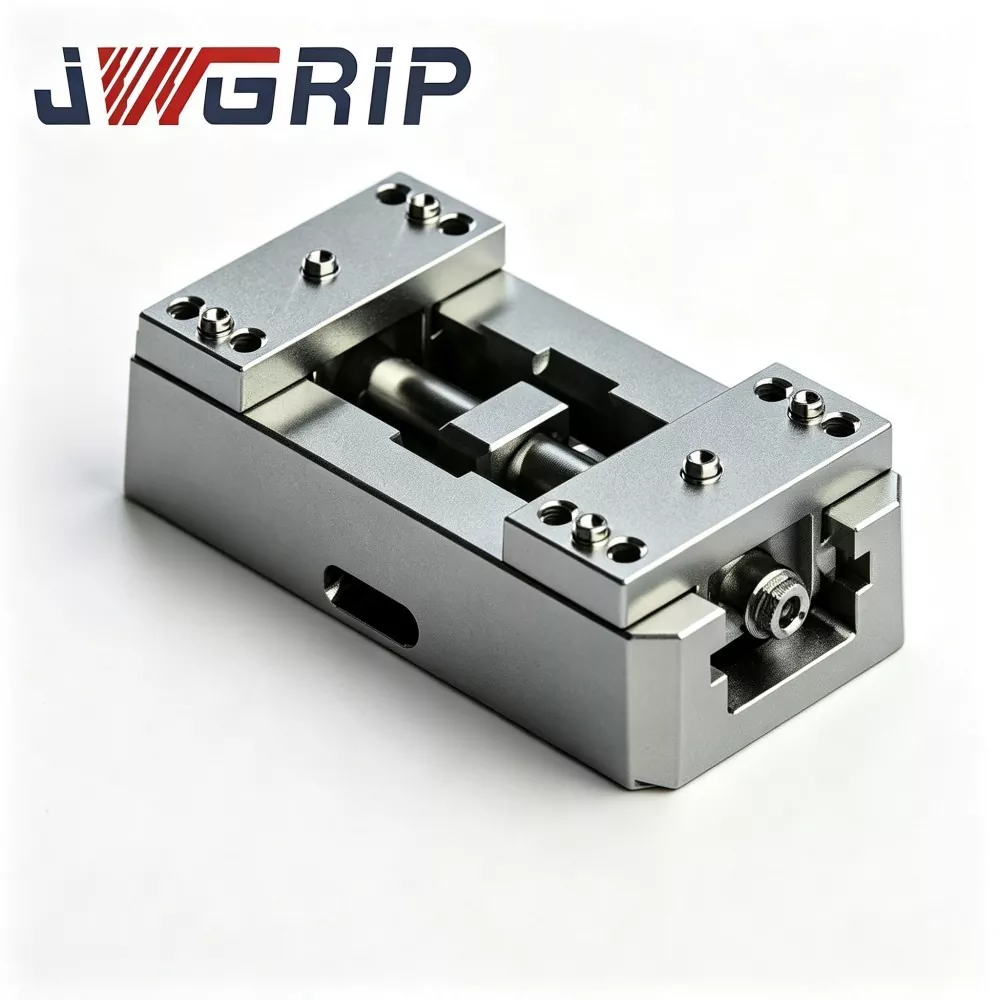
Extended Travel Self-Centering Zero Point Vise with Soft Jaws
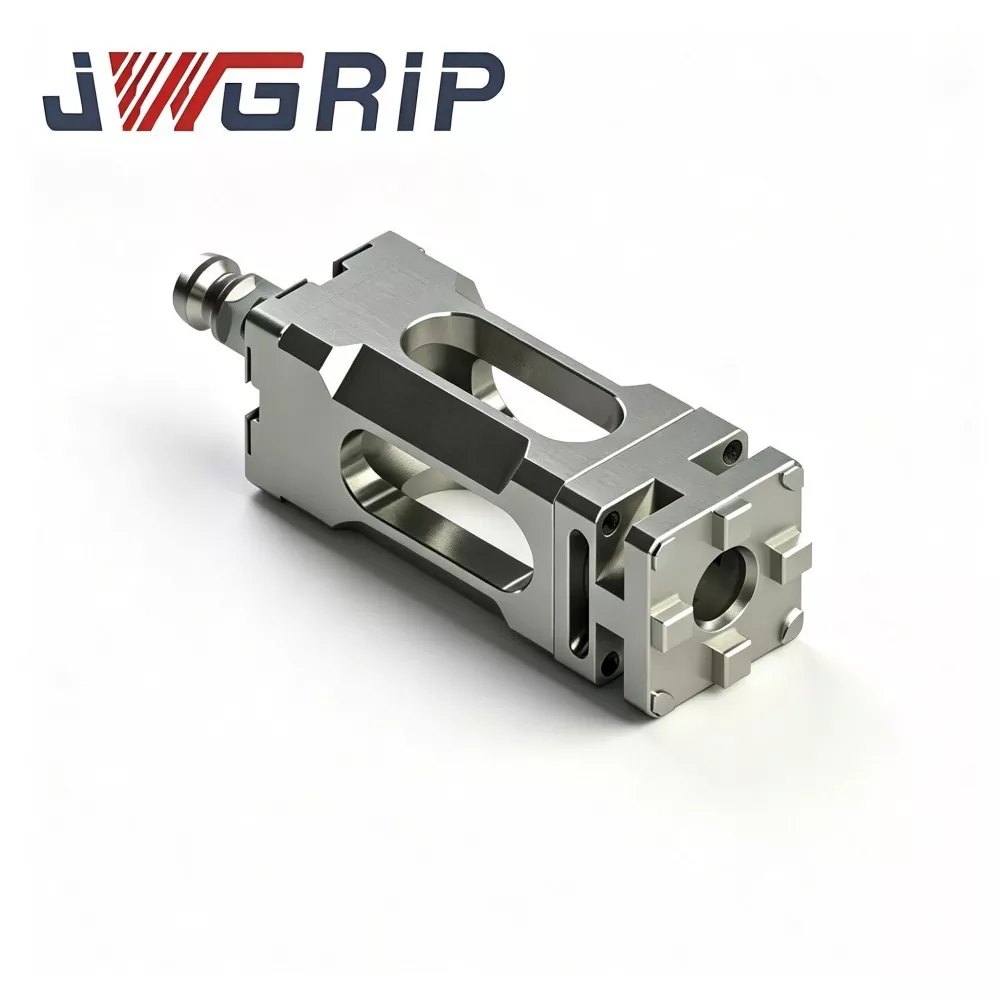
JWGRIP is the professional manufacturer and supplier of Customized Extended Travel Self-Centering Zero Point Vise with Soft Jaws in China, with all standard models fully in Stock for rapid global delivery. It is a high-travel integrated zero-point quick-change clamping fixture specially developed for thin-wall, special-shaped and large-size precision workpieces. Adopting extended stroke structure and flexible soft-jaw configuration, it integrates automatic self-centering function and zero-point positioning reference into a single unit, requiring no auxiliary fixture matching.
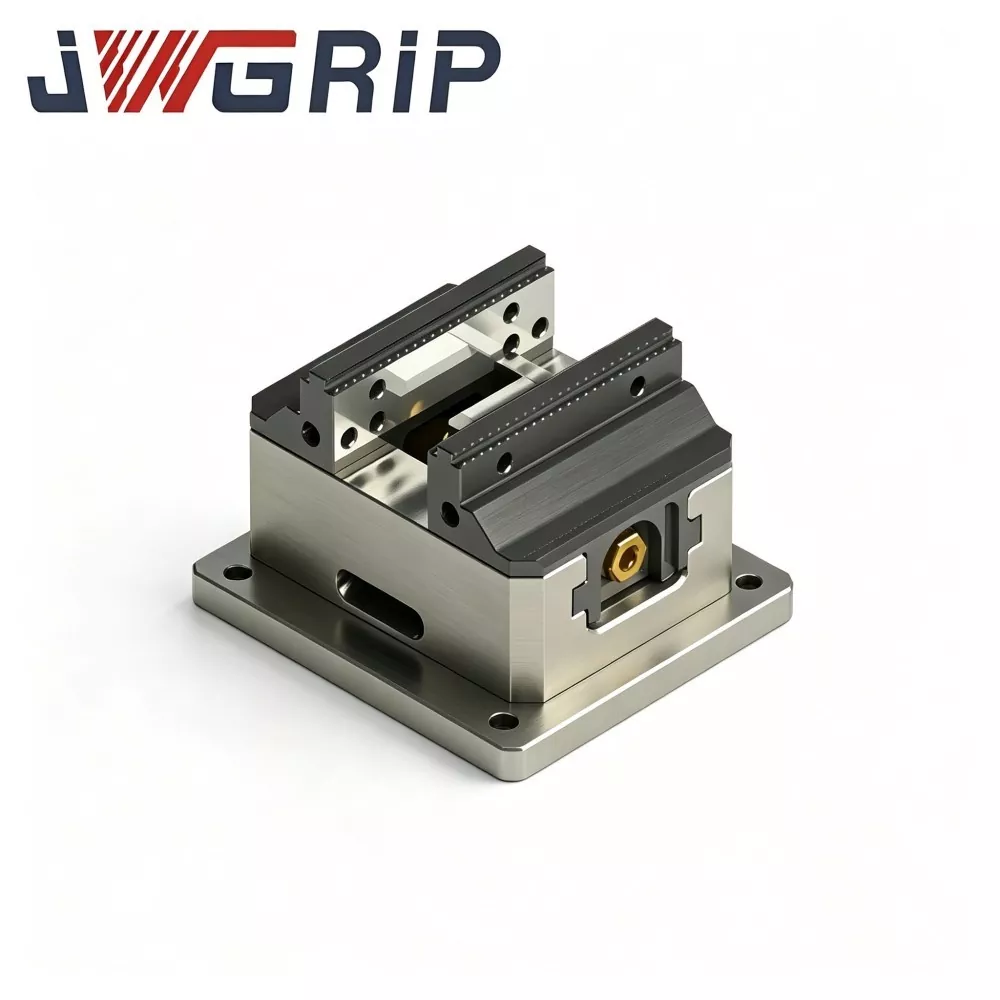
Compact High Precision Self-Centering Zero Point Vise with Hard Jaws
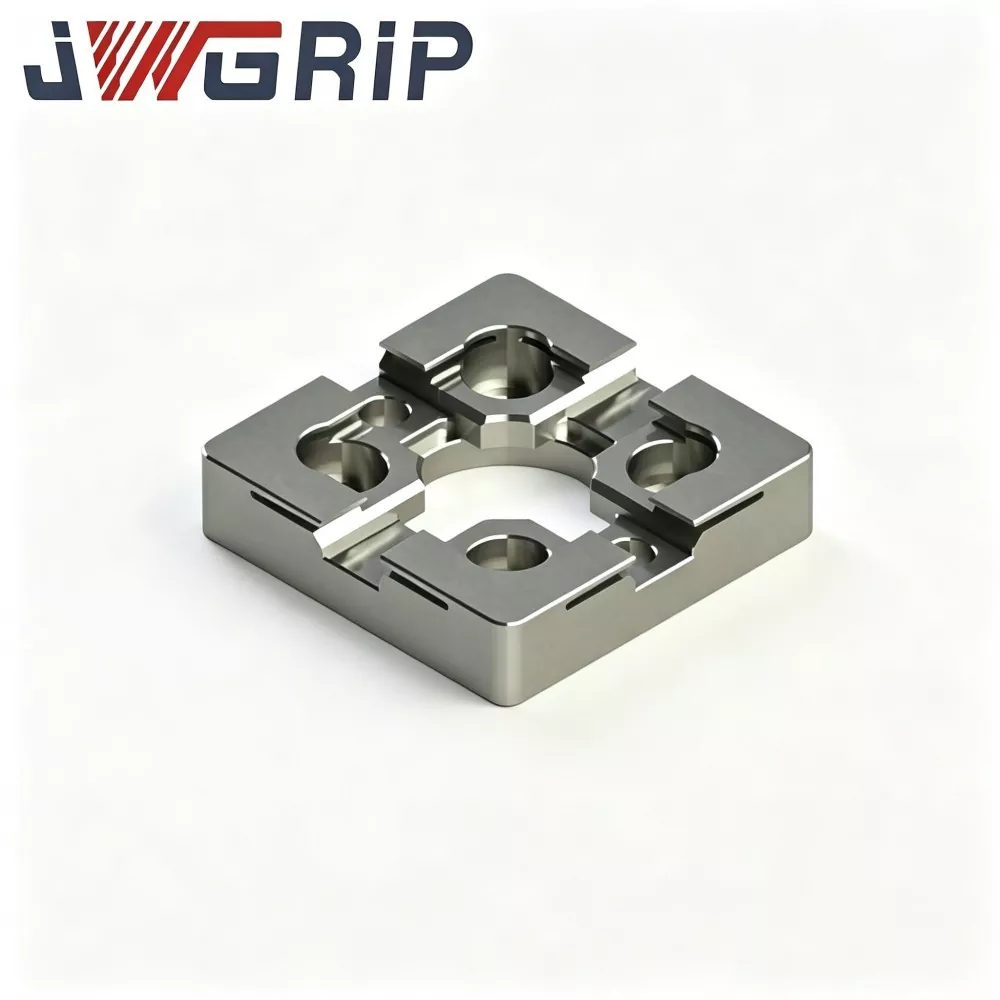
JWGRIP is the professional manufacturer and exporter of the Compact High Precision Self-Centering Zero Point Vise with Hard Jaws in China, providing Factory Direct sales service with standard specifications fully in Stock. It is an integrated zero-point quick-change clamping fixture professionally optimized for small symmetrical component precision machining. Combining integral zero-point locking structure and automatic self-centering mechanism into one compact unit, it requires no extra adapter plates or on-site calibration, and can be directly installed on CNC machine tool worktables to adapt to flexible manual and unmanned production lines.
JWGRIP is a professional H77 Series CNC Self-Centering Vises manufacturer and supplier in China. We warmly welcome you to wholesale high quality products at competitive price from our factory.