High-Performance Zero Point Pallet Series for Precision Workholding
As a professional source manufacturer of Zero Point Pallet Series, JWGRIP applies independent R&D and strict load-rating verification to locating pallets, centering carriers and alignment fixtures. This carrier hardware line is purpose-built for shops that demand fast fixture exchange, offline pre-set-up and worry-free workpiece transfer between machining centers. Alongside this series, we also offer Zero Point Clamping Chuck series and UPC Zero Point Positioning Series for a complete zero-point configuration, realizing seamless datum inheritance throughout offline setup and cross-machine workpiece handling workflows.
Actual Pain Points
In high-mix production, the spindle is the most expensive asset, yet it often waits. When a job finishes, the operator stops the machine, removes the old fixture, bolts on a new one, dials it in, probes the datum, and only then starts cutting again. During this entire sequence the spindle produces nothing but the machine still consumes floor space, power and labor.
Most managers measure cutting speed but forget setup frequency. A machine that cuts fast but stands idle between jobs delivers far less real output than a slower machine that is rarely stopped. How do professional shops fix this? They do not buy faster spindles first , they restructure the setup workflow.
The key trick is time-shifting: prepare the next job while the current job is still running. This requires hardware that allows fixtures and workpieces to be fully pre-assembled outside the machine. And that hardware is exactly what a pallet-based carrier line provides.
Work Flow
Offline pre-set-up: while the machine is still cutting the current job, the operator mounts fixtures and blanks onto spare pallets at the bench, checks alignment and verifies the datum.
Fast swap at the machine: when the current job ends, the finished pallet is released and the pre-loaded pallet drops onto the chuck in seconds. The machine starts the next program almost immediately.
Parallel processing: while the machine cuts job B, the operator prepares job C on another pallet. Setup time no longer blocks cutting time; the two run in parallel instead of in sequence.
The result is measurable: fewer machine stoppages, higher spindle utilization, smaller batch-change cost and more stable part quality, because every pallet returns to the same datum instead of being re-aligned by hand.
Different Pallet Configurations
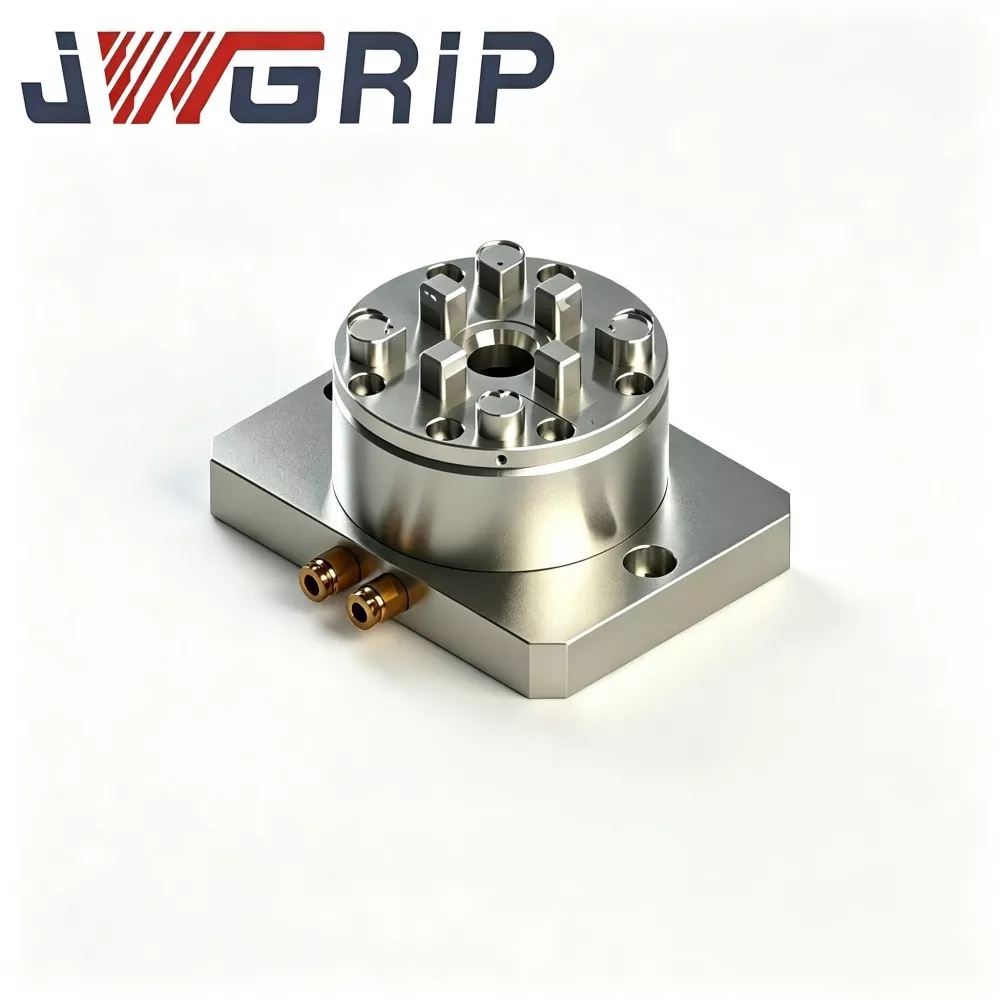
Automated Zero Point Pallet with Power Chuck : for unattended cells and robotic loading: the integrated power-clamp carrier allows a robot to pick, place and lock pallets without manual assistance; best for lights-out runs and high-frequency changeover.
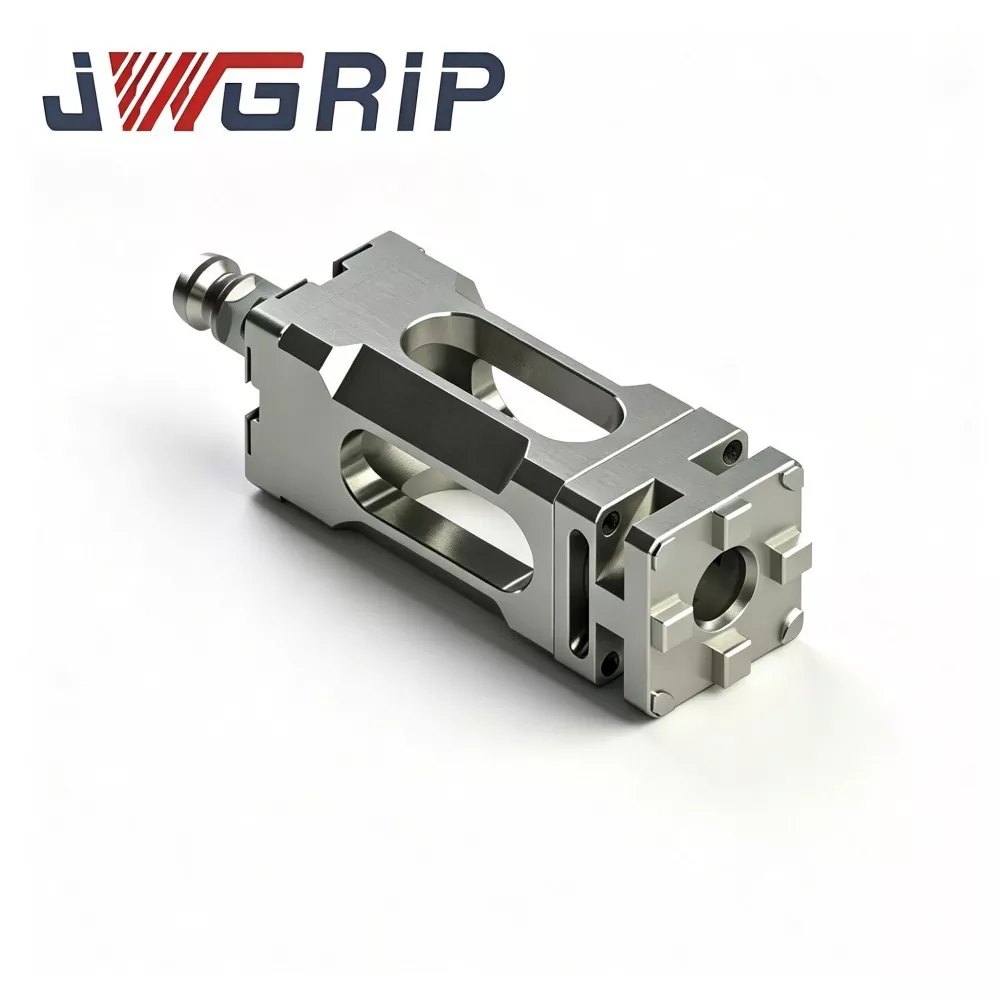
Two Center Zero Point Pallet for CNC Machining: for medium box-shaped and symmetrical blanks: the two-point locating layout balances clamping force and keeps medium-sized workpieces stable under heavy milling.
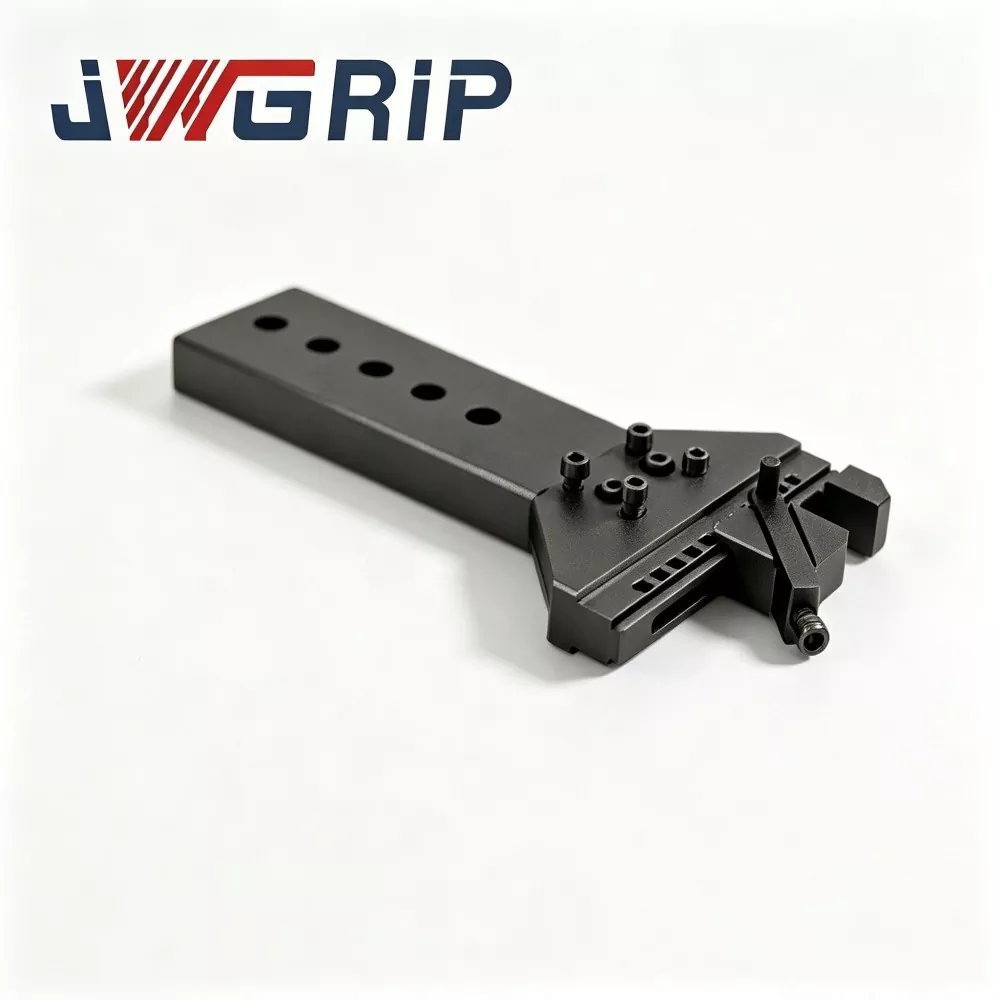
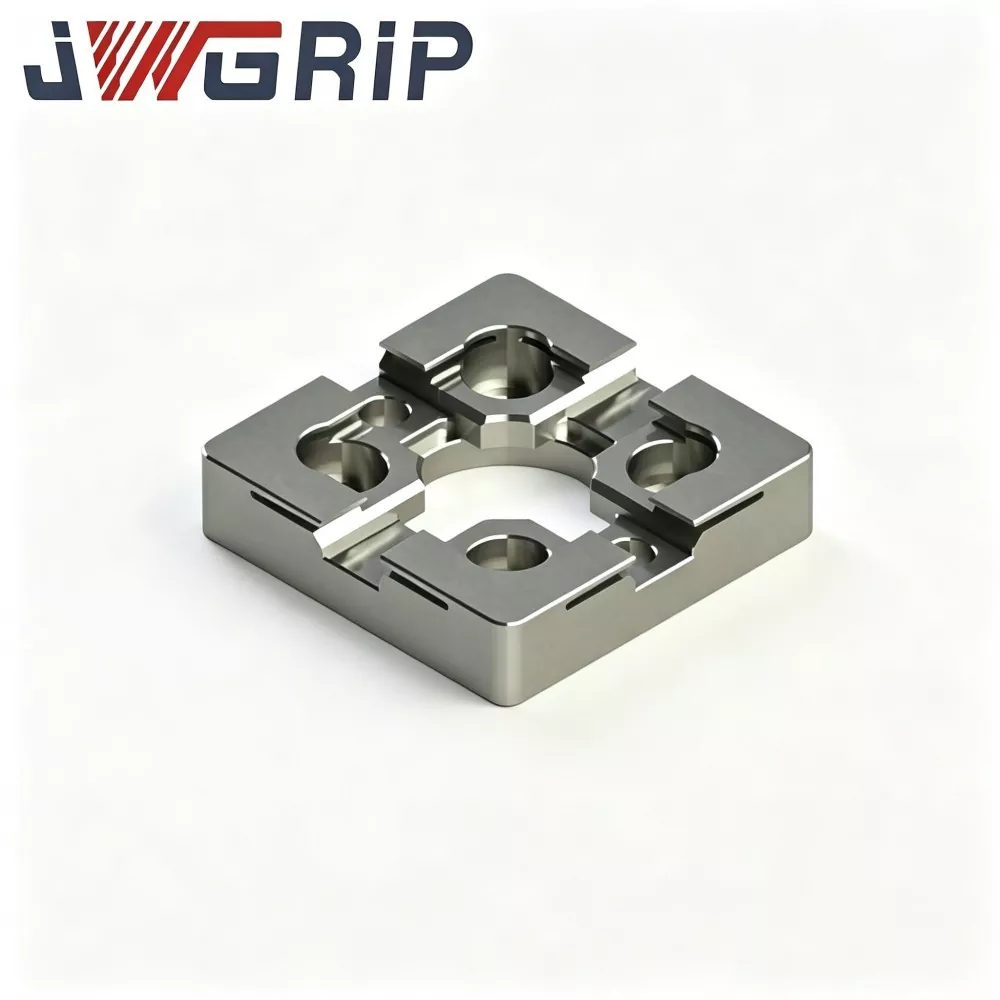
Four Center Zero Point Pallet for CNC Fixture: for multi-station fixture building: four locating centers spread the load evenly, supporting larger fixture plates and multi-workpiece setups in one cycle.
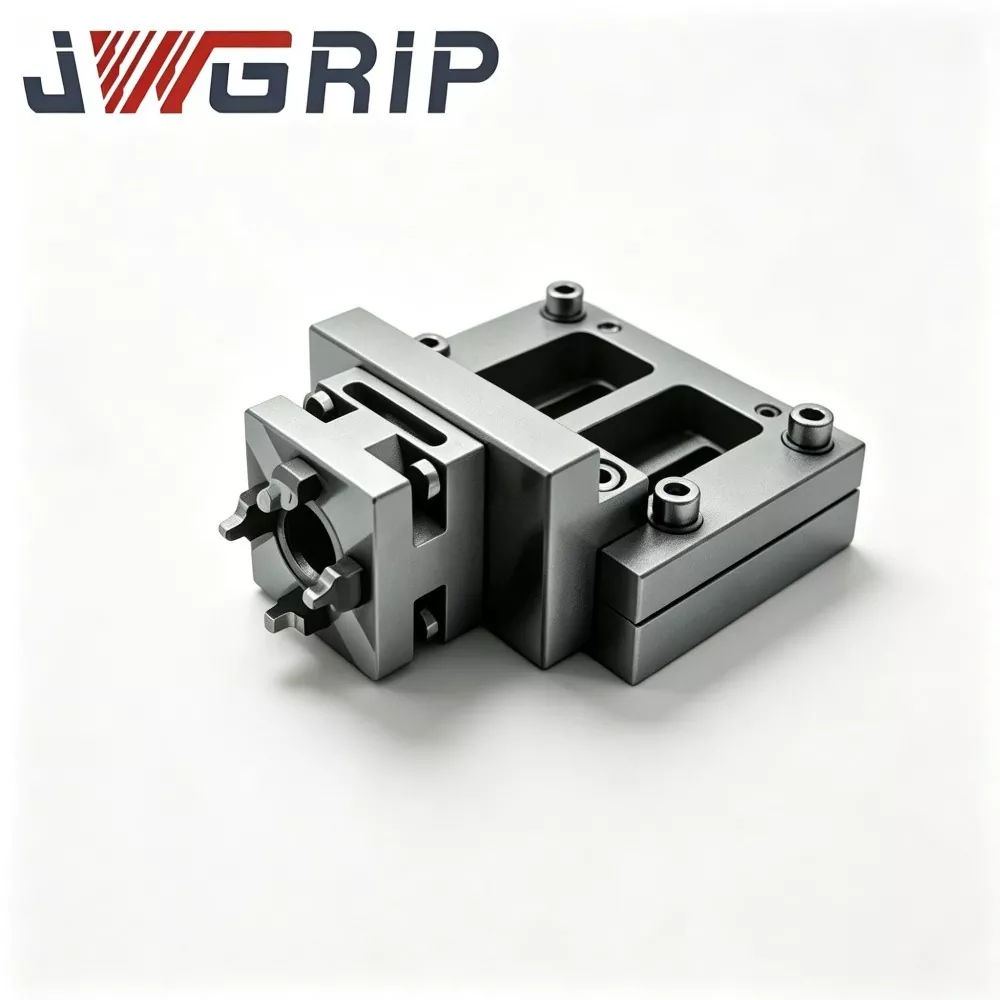
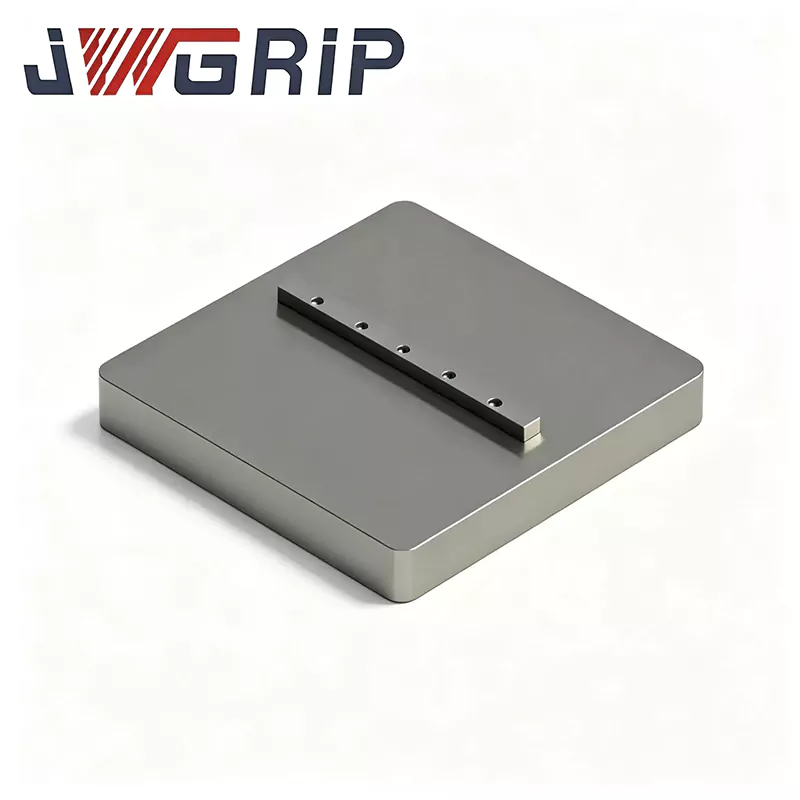
MTS Alignment Pallet for Zero Point Positioning System: for jobs that demand datum verification before machining: the alignment feature lets you check and correct the pallet reference quickly, ideal for high-precision first-article runs.
Planning Guidelines
1.How many pallets do you actually need?
Start with the number of jobs you switch per day plus one or two spares, then grow the pool as you standardize more jobs onto pallets.
2.How to handle different workpiece sizes with limited pallet stock?
Use multi-center pallets for small parts — several parts per pallet — and single-job pallets for large blanks, so one small pool covers a wide size range.
3.How to protect your investment when machines change later?
Keep pallet standards aligned with your chuck series and confirm interface compatibility when purchasing; JWGRIP engineering can verify matching between pallets and your existing chucks.
Why choose JWGRIP as your partner?
Our locating pallets are machined from high-strength alloy plates with precision ground reference surfaces, and every carrier passes centering and flatness inspection before shipment so batch parts stay consistent.
We support customized hole patterns, threaded layouts and pallet outlines according to your fixture drawings or machine-table specifications.
Our application team helps you combine pallets with Zero Point Clamping Chuck series, UPC Zero Point Positioning Series and Quick Change Workholding System components so the whole zero-point configuration works as one reliable system.
Quality assurance & engineering support
Every pallet is delivered with dimension inspection records, and our after-sales team follows up on field usage feedback to keep improving carrier designs.
Whether you are standardizing one machine or rolling out a full workshop upgrade, JWGRIP provides documentation, installation guidance and responsive technical response to keep your production running.
Contact us with your worktable size, spindle details and typical part mix; we will confirm pallet dimensions, quantity and interface standards.
- View as
MTS Alignment Pallet for Zero Point Positioning System
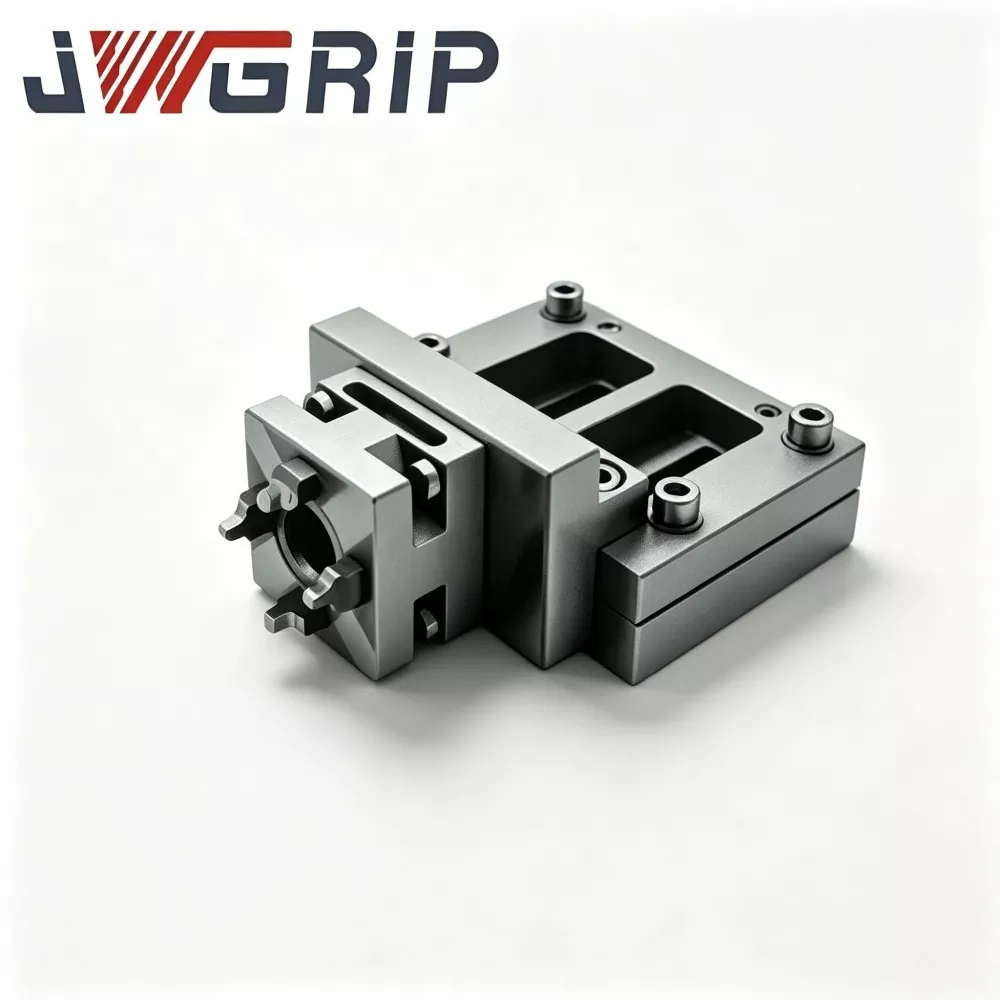
JWGRIP is the manufacturer and supplier of the Professional MTS Alignment Pallet for Zero Point Positioning System in China. Belonging to the professional zero point pallet series, this is a dedicated auxiliary precision measuring fixture designed for standard zero point positioning systems. It serves as a special calibration and inspection tool instead of a conventional workpiece clamping fixture, focusing on precision verification, periodic accuracy detection and systematic error compensation for zero point positioning units, perfectly matching the daily maintenance and precision management demands of CNC machining workshops.
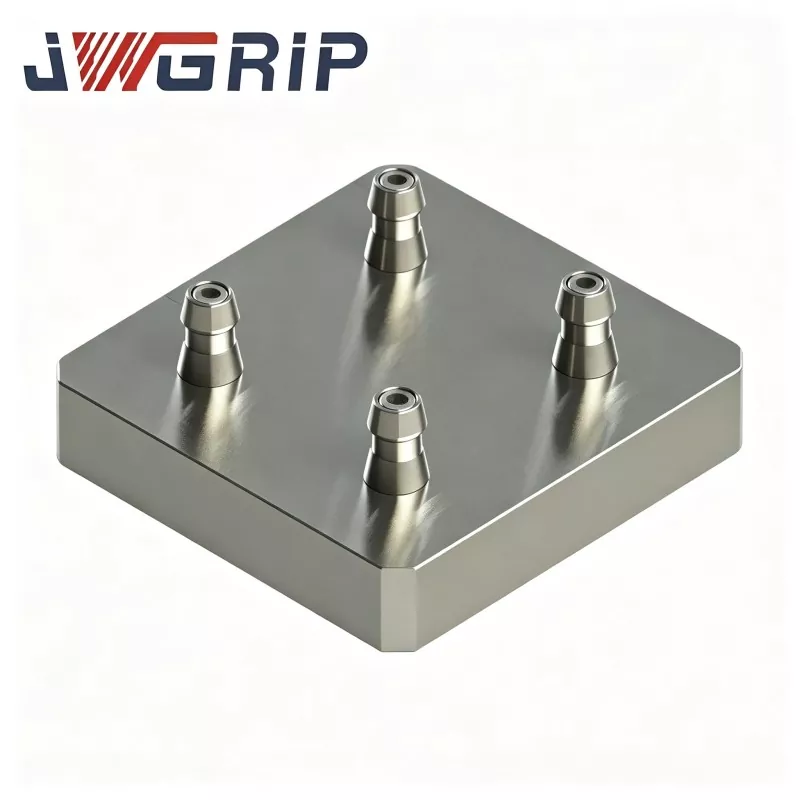
Four-Center Zero Point Pallet for CNC Fixture
JWGRIP is the manufacturer and supplier of the Professional Four-Center Zero Point Pallet for CNC Fixture in China. Four Center Zero Point Pallet belongs to Zero Point Pallet Series, is developed for the widespread high-mix-low-volume mixed-mode production scenarios prevailing in modern machining industry. Welcome to inquire!
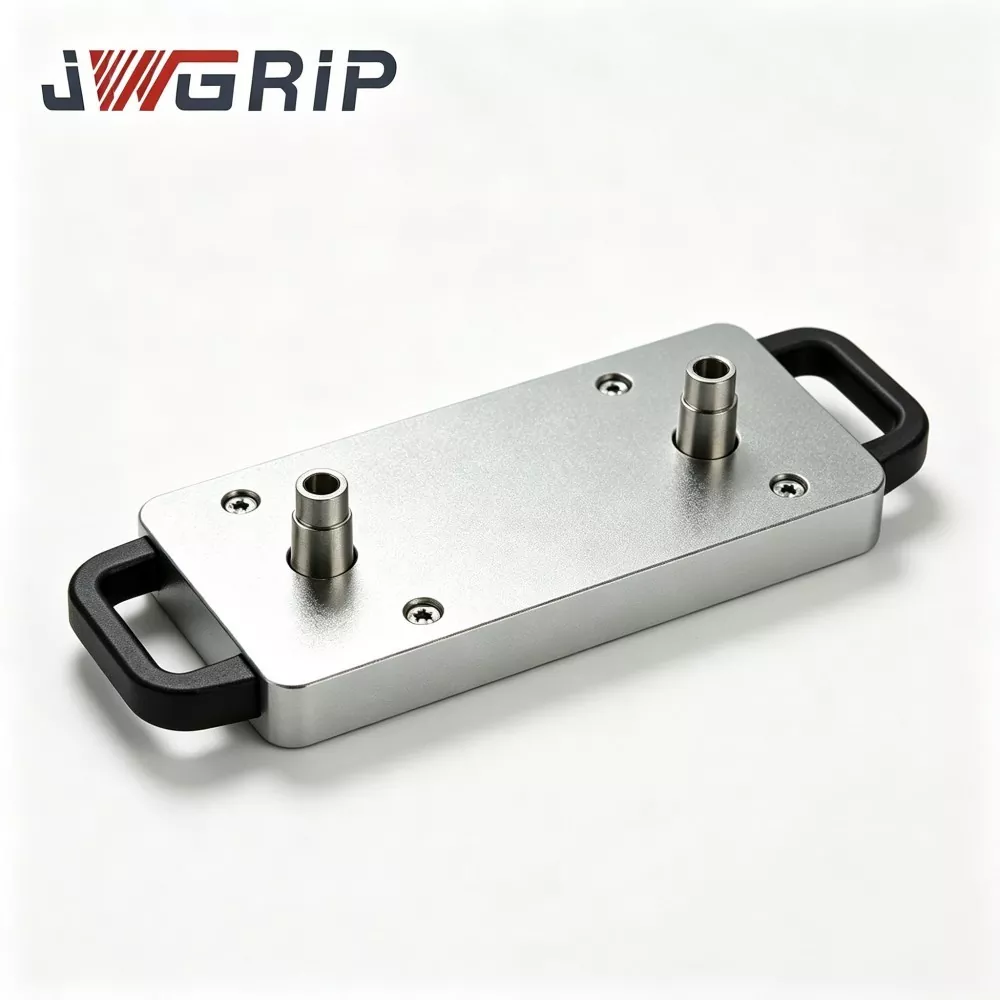
Two-Center Zero Point Pallet for CNC Machining
JWGRIP is the manufacturer and supplier of the Professional Two-Center Zero Point Pallet for CNC Machining in China. As a core model of the premium zero point pallet series, the 200-type two-center zero point pallet is professionally engineered for standardized, high-efficiency machining of paired and symmetrical workpieces. It is widely applicable to mass production scenarios of symmetrical parts in hydraulic component manufacturing, new energy auto parts processing and mold making industries, covering paired hydraulic valve blocks, battery housing shells, mold inserts and other typical symmetric workpieces.
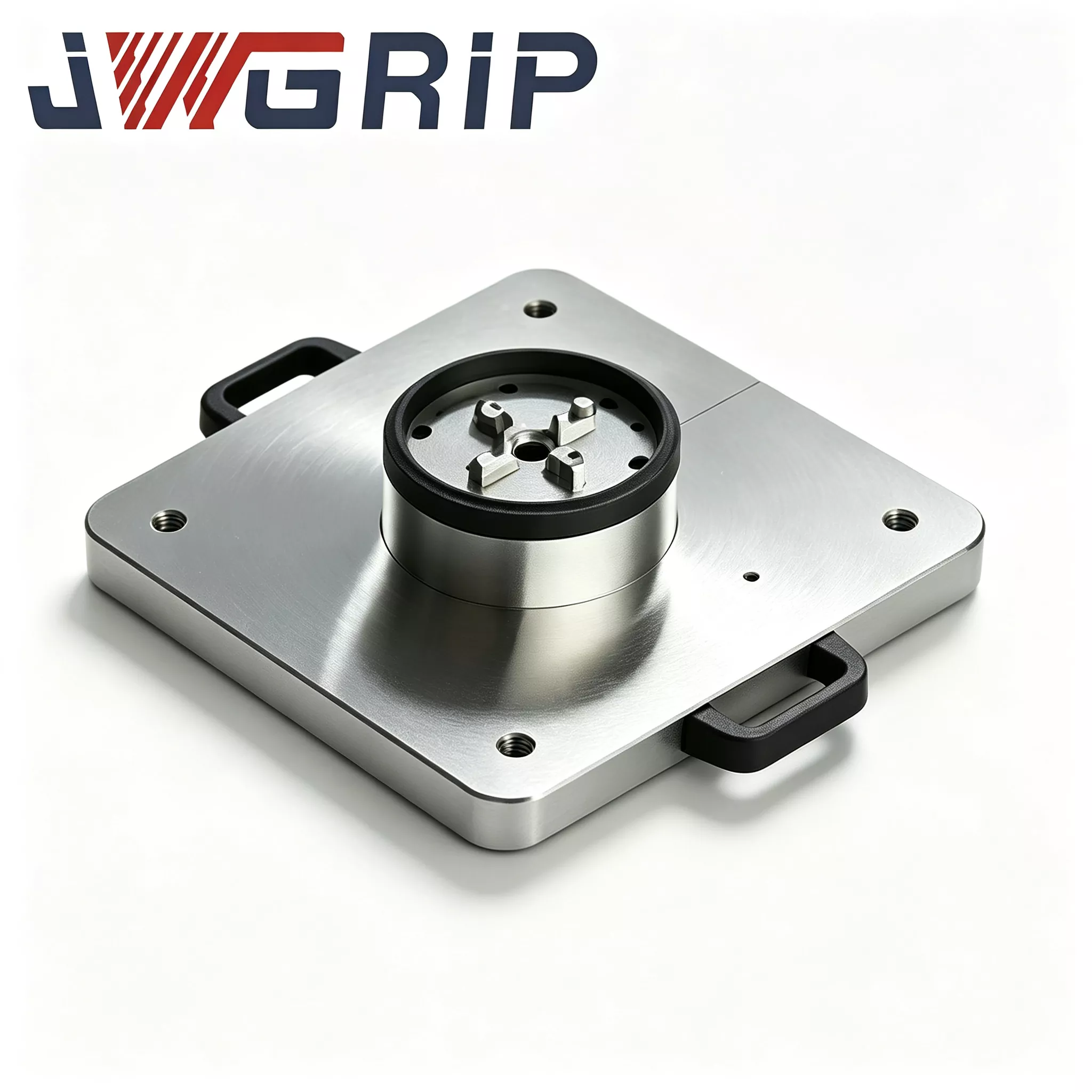
Automated Zero Point Pallet with Power Chuck
JWGRIP is the manufacturer and supplier of the Professional Automated Zero Point Pallet with Power Chuck in China. It is an integrated zero-point positioning fixture specifically designed for flexible unmanned CNC production lines. It integrates the zero-point positioning reference component and the power pneumatic chuck locking unit into a single device, eliminating the need to purchase additional multi-layer adapter plates or separate chuck attachments. It can be directly installed and fixed on the machine tool worktable and connected to industrial robot grippers.
JWGRIP is a professional Zero Point Pallet Series manufacturer and supplier in China. We warmly welcome you to wholesale high quality products at competitive price from our factory.