Zero Point Clamping Chuck Series from Professional Manufacturer for Precision Workholding
As a reliable volume supplier of Zero Point Clamping Chuck series, JWGRIP engineers and manufactures locating chucks, L-plate carriers and multi-position clamping plates with stringent tolerance control. This machine-side anchoring hardware is designed for workshops that treat positioning repeatability as the foundation of part quality, unattended machining and quick fixture exchange. To build a full zero-point setup, we also supply Zero Point Pallet Series and CNC Self-Centering Vises for fixture-side and workpiece-side configuration.All key locating surfaces adopt hardened precision-ground processing to guarantee long-term stable performance under continuous-cycle production.
Critical Performance Metrics
Repeat positioning accuracy is the single most important number. A quality chuck returns the pallet to the same position within a few microns, thousands of times. But accuracy on paper means nothing if the locking mechanism wears out quickly or contamination enters the locating surfaces. Many manufacturers publish impressive theoretical-accuracy parameters in brochures, yet these figures cannot hold up under real-world workshop conditions with continuous cutting, chip splashing and coolant erosion.
Pull-down force matters just as much: the chuck must pull the pallet firmly against the datum faces so cutting forces and vibration cannot lift or shift it. Different machining loads require different clamping force classes. Light-cut precision parts do not demand extreme pull-down force, while heavy stock-removal milling for thick metal blabs calls for high-grade clamping output to resist cutting impact.
Contamination resistance is often underestimated. Chips, coolant and dust exist everywhere inside a machine. A well-sealed chuck keeps locating surfaces clean, because even a tiny particle between datum faces causes position deviation. Without reliable sealing structures, fine debris will gradually scratch precision datum surfaces and bring hidden quality risks for batch-produced components.
Long-term consistency decides real value: after tens of thousands of cycles, springs, balls and hardened surfaces must still deliver the same repeatability. Material quality and heat treatment determine this lifespan. Inferior raw materials or incomplete heat-treatment processes will lead to fatigue deformation of internal moving parts after long-time operation.
Core Mechanical Principles
Most zero point chucks use a spring-loaded mechanical locking core: when the pallet is pushed in, tapered or spherical elements center it and the springs pull it down and lock it. Release is triggered pneumatically or manually, which makes the whole operation fast and independent of operator strength. Operators do not need to apply large physical force to complete clamping or unclamping work.
The locating surfaces are hardened and precision ground, so wear stays minimal even under frequent high-force clamping. High-precision grinding removes surface defects and ensures flatness of all key contact areas.
Because clamping force is generated mechanically rather than by bolts, the locking state is consistent every time — no torque variations, no over-tightening, no under-tightening. Traditional bolt-tightened fixtures heavily rely on manual operation experience, which easily creates inconsistent clamping results among different workers.
Four chuck variants for different machine-side jobs
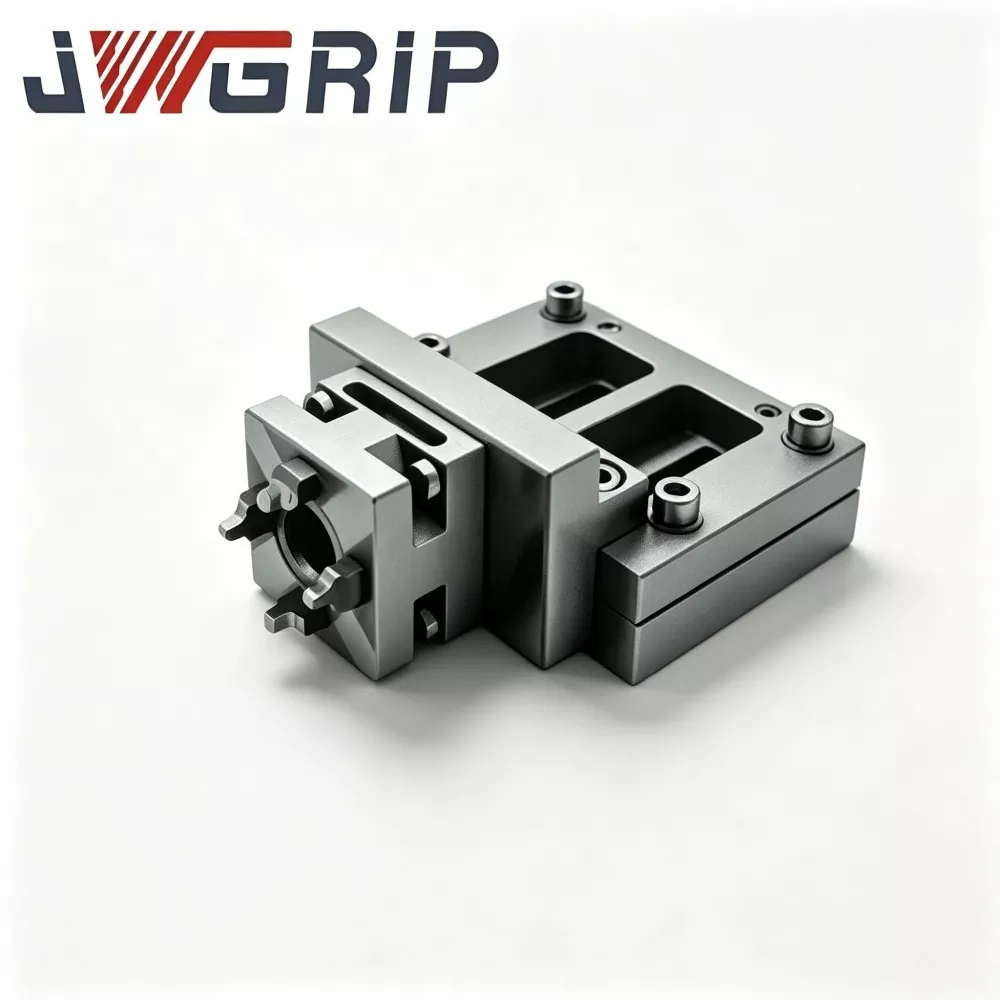
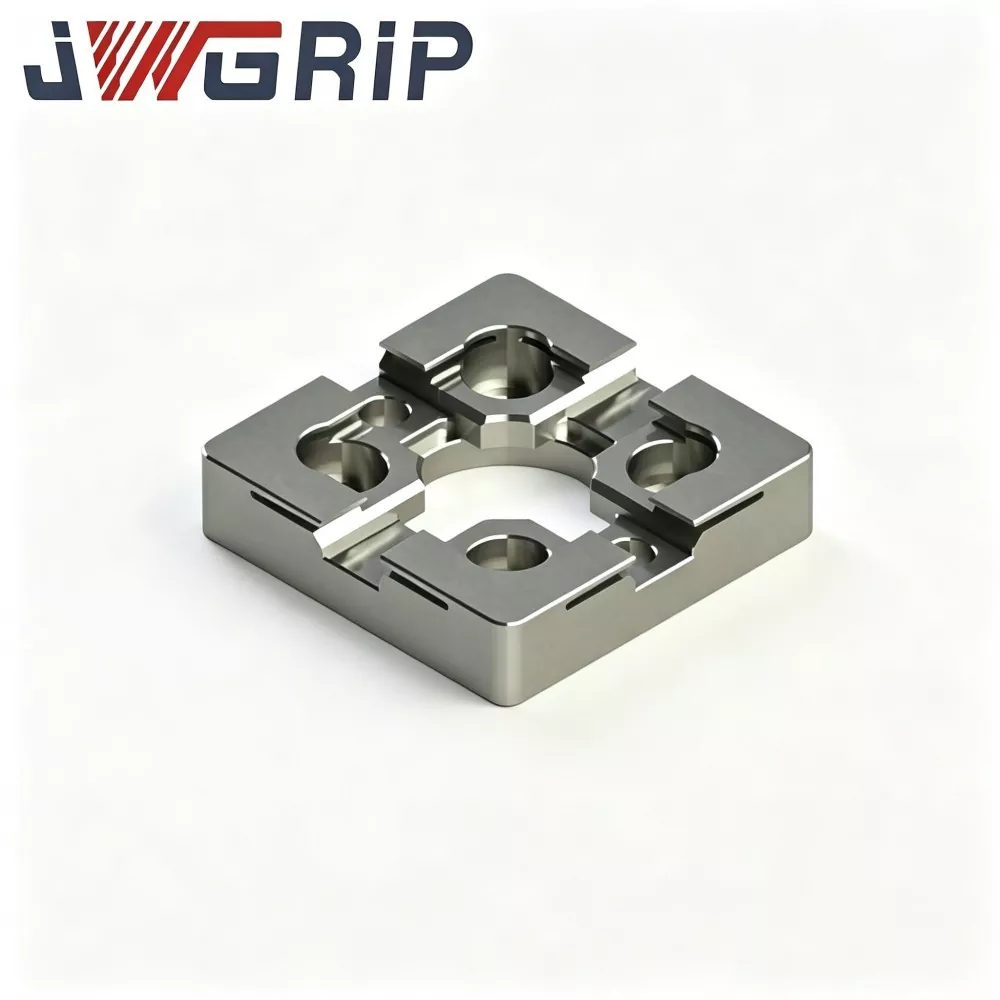
Zero Point Positioning Chuck L Type Pallet: an L-shaped carrier that combines chuck function with a vertical reference surface, ideal for setups where the fixture needs both a horizontal datum and a vertical locating face. It is widely used for special-angle fixture assembly and multi-directional machining requirements.
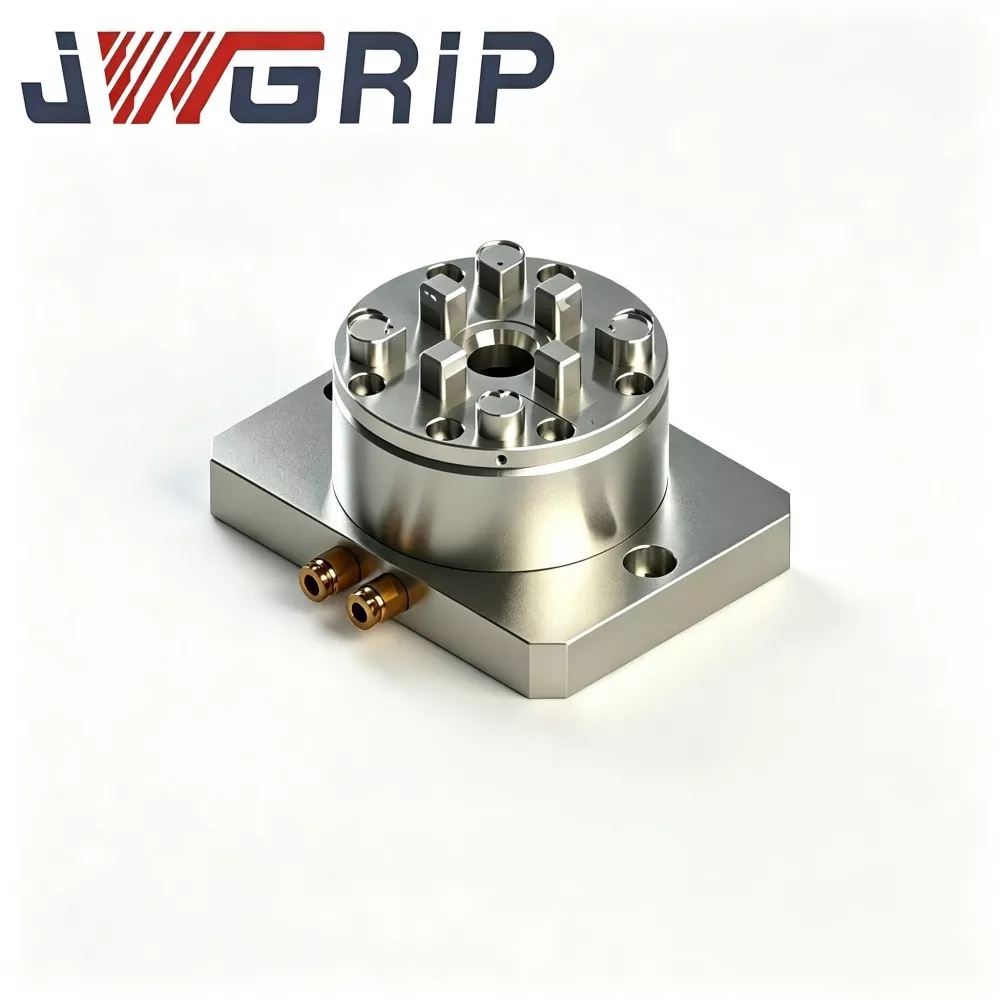
Single Center Zero Point Positioning Chuck: the classic single-point chuck that mounts directly on the machine table and locks one pallet or fixture at a time, the most widely used variant for 3-axis and 5-axis machines. It fits most standard-size CNC machine-table T-slot layouts.
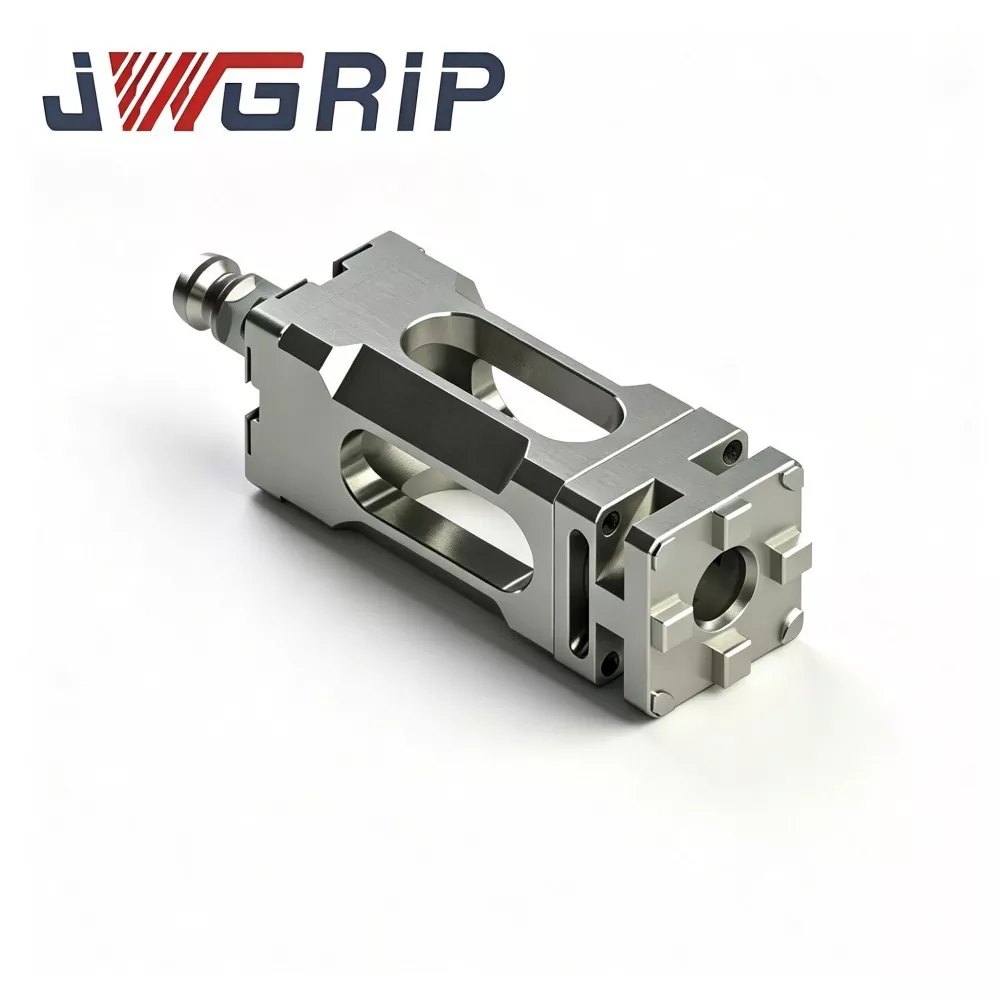
Integrated Single Center Zero Point Clamping Chuck: a compact integrated construction that reduces stack-up height and improves rigidity, well suited for machines with limited Z-axis clearance. It avoids excessive height occupation which may cause spindle interference during five-axis tilting movement.
Six Position Zero Point Clamping Plate: a plate-type chuck with six locating positions, supporting multi-station setups where several pallets or fixtures are locked on one plate in a single cycle. It raises single-cycle processing output for small-sized batch workpieces.
Operating Steps
1.How to ensure the chuck datum matches the machine axes?
Before final tightening, run a dial indicator across the locating face and adjust until the reading is within tolerance, then lock the mounting bolts evenly with proper torque. Uneven bolt torque will warp the chuck base and destroy original datum flatness.
2.How to keep the chuck accurate over time?
Clean the locating surfaces before every pallet change, check mounting bolts periodically, and re-verify the datum after any heavy collision or long maintenance. Sudden mechanical collision is one of the main causes of invisible internal damage to zero-point chucks.
3.How to choose the mounting position?
Leave enough table space around the chuck for pallet exchange, coolant flow and robotic access if automation is planned. Insufficient reserved space will hinder manual operation or future robotic retrofitting work.
Verification Guide
Repeatability test: clamp and release a test pallet dozens of times and measure the position deviation; stable results within specification confirm the locking mechanism is healthy.
Pull-down force check: verify that the chuck can hold the pallet securely under the maximum cutting load you plan to apply. Never run heavy-cutting tests directly on formal production parts without completing this inspection step.
Cycle and wear inspection: after many cycles, check for abnormal play, noise or position drift; early detection prevents quality surprises on the shop floor. Minor abnormal signs should be dealt with in time instead of being ignored for continuous production.
Why choose JWGRIP?
Our chuck bodies and locating elements are machined from hardened alloy steel with precision ground datum surfaces. Every unit passes repeatability, clamping force and sealing-related checks before shipment.
We support customized mounting patterns, heights and pneumatic or manual release configurations to match your machine table and automation level.
Our engineers help you combine chucks with Zero Point Pallet Series, UPC Zero Point Positioning Series and Quick Change Workholding System so the whole workholding architecture stays consistent.
Quality Assurance & After-sales Support
Every JWGRIP Zero Point Clamping Chuck Series leaves the factory with inspection documentation covering repeatability, clamping force and datum accuracy, and our quality team keeps field feedback loops to continuously improve sealing, wear resistance and daily usability.
From first-article verification to routine maintenance, we provide installation guidance, fast troubleshooting response and spare-part availability so your machines stay productive.
Trusted by machining workshops and automation integrators in multiple industries, JWGRIP zero point chucks are engineered to perform the same on the first cycle and the ten-thousandth.
- View as
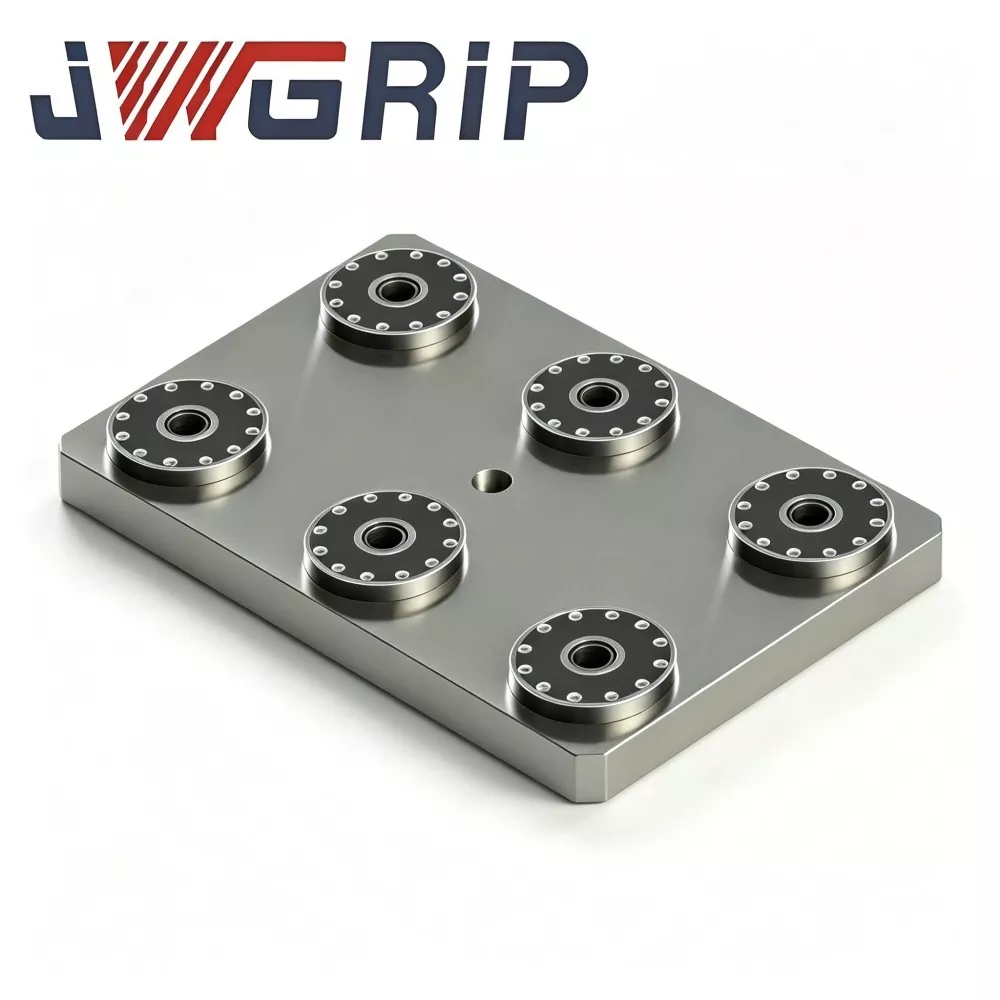
Six Position Zero Point Clamping Plate
JWGRIP is the manufacturer and supplier of the professional Six Position Zero Point Clamping Plate in China. It is an integrated multi-station zero-point clamping fixture specially designed for high-efficiency CNC milling and grinding flexible production scenarios. This product integrates six independent zero-point locking units on a single integral heavy-duty base, realizing multi-fixture and multi-workpiece simultaneous mounting. It features an all-in-one structural design without scattered modular assembly, which can be directly installed on machine tool worktables and matches offline presetting systems to greatly improve the overall operational efficiency of precision processing workshops.
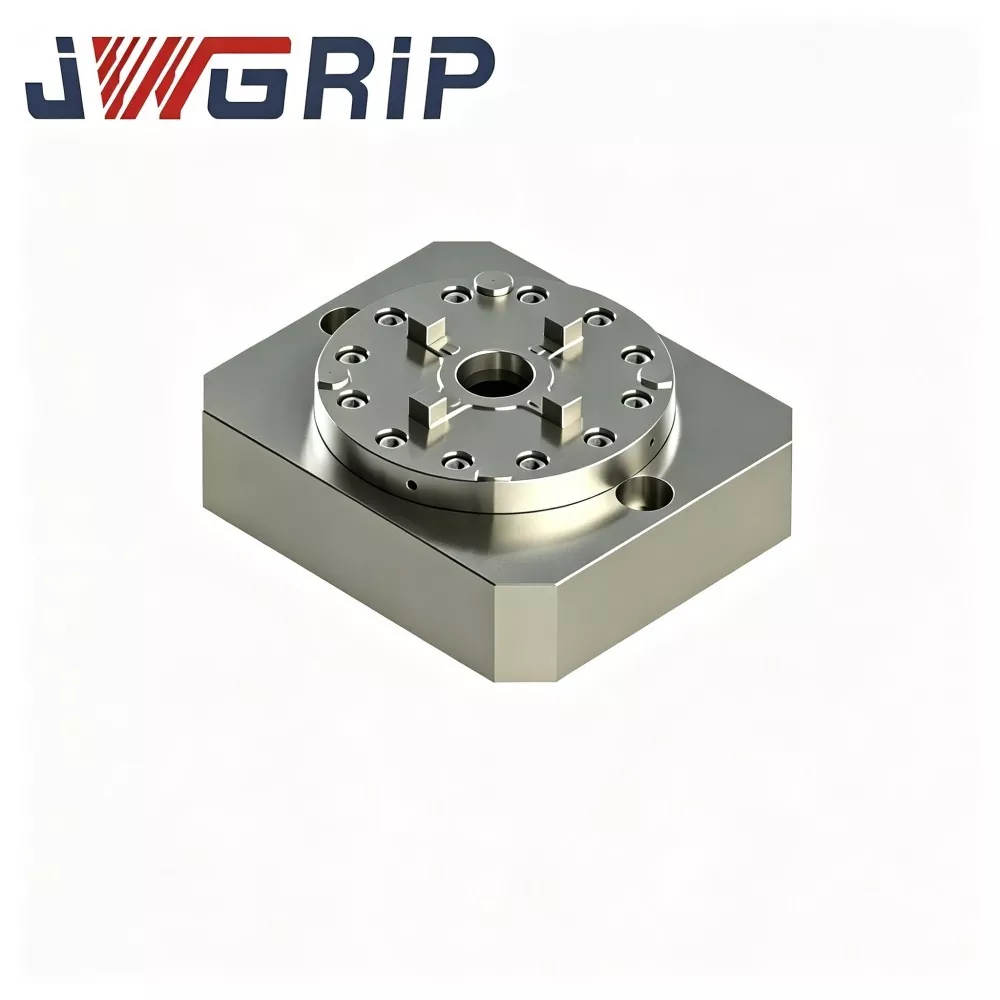
Integrated Single Center Zero Point Clamping Chuck
JWGRIP provides Factory Direct sales of Customized Integrated Single Center Zero Point Clamping Chuck in China. It is an all-in-one integrated positioning and clamping fixture specially optimized for modern CNC turning-milling composite machines and vertical machining centers. Differing from traditional split-type fixture combinations, this product integrates single-center self-centering clamping mechanism and zero-point locking positioning structure into a complete monolithic body, requiring no additional matching accessories.
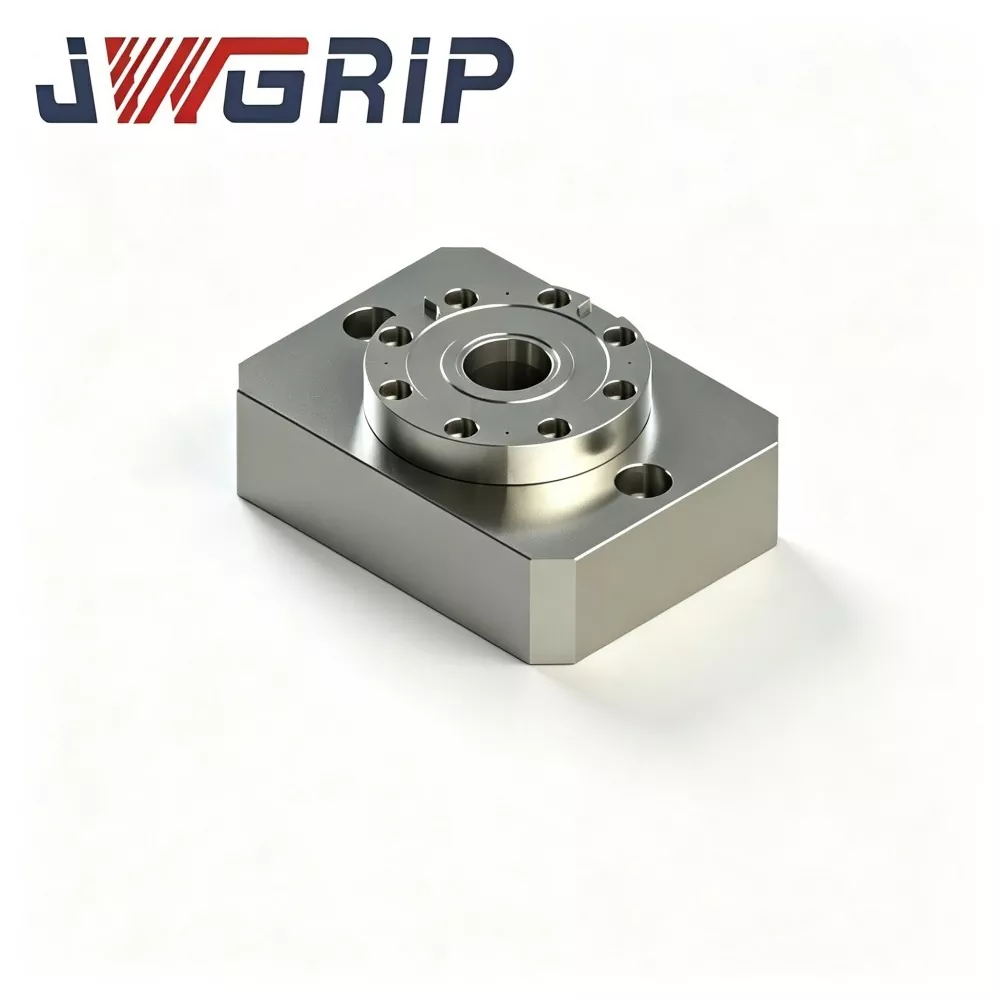
Single Center Zero Point Positioning Chuck
JWGRIP is the manufacturer and supplier of the professional Single Center Zero Point Positioning Chuck in China. As a core modular unit of the standard Zero Point Clamping Chuck series, this product is a standalone single-point zero-point locking and positioning fixture specially designed for flexible CNC quick-change systems. It adopts an independent modular structure design, serving as the basic assembly unit for customized fixture layouts, and effectively solves the layout limitations of traditional integral multi-station zero-point pallets.
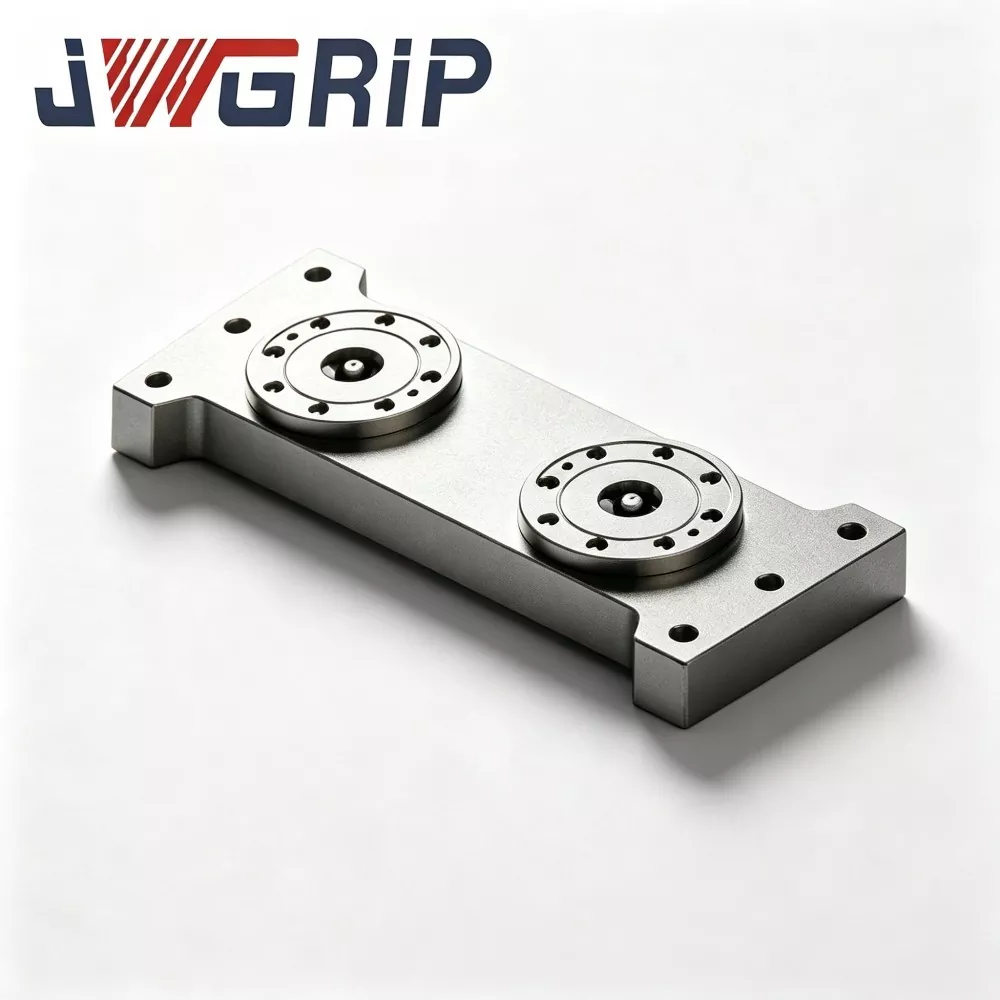
L-Type Zero Point Positioning Chuck Pallet
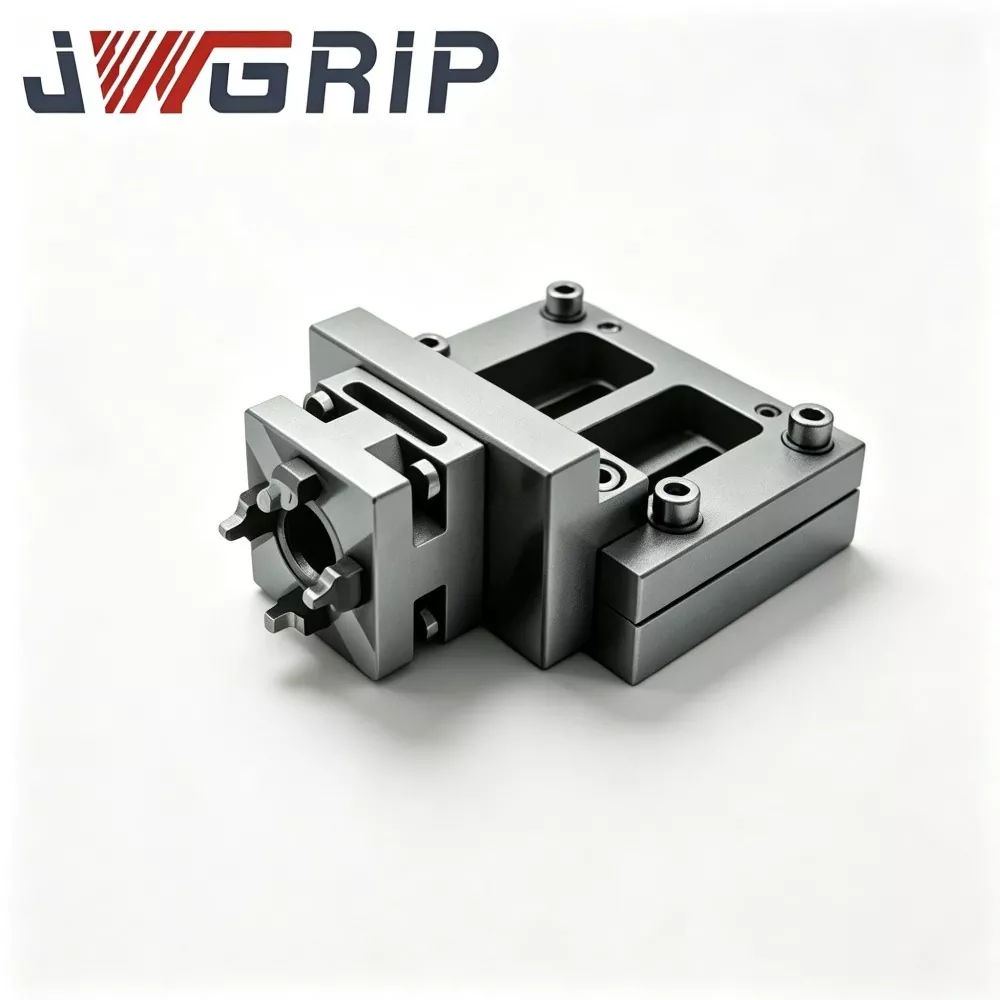
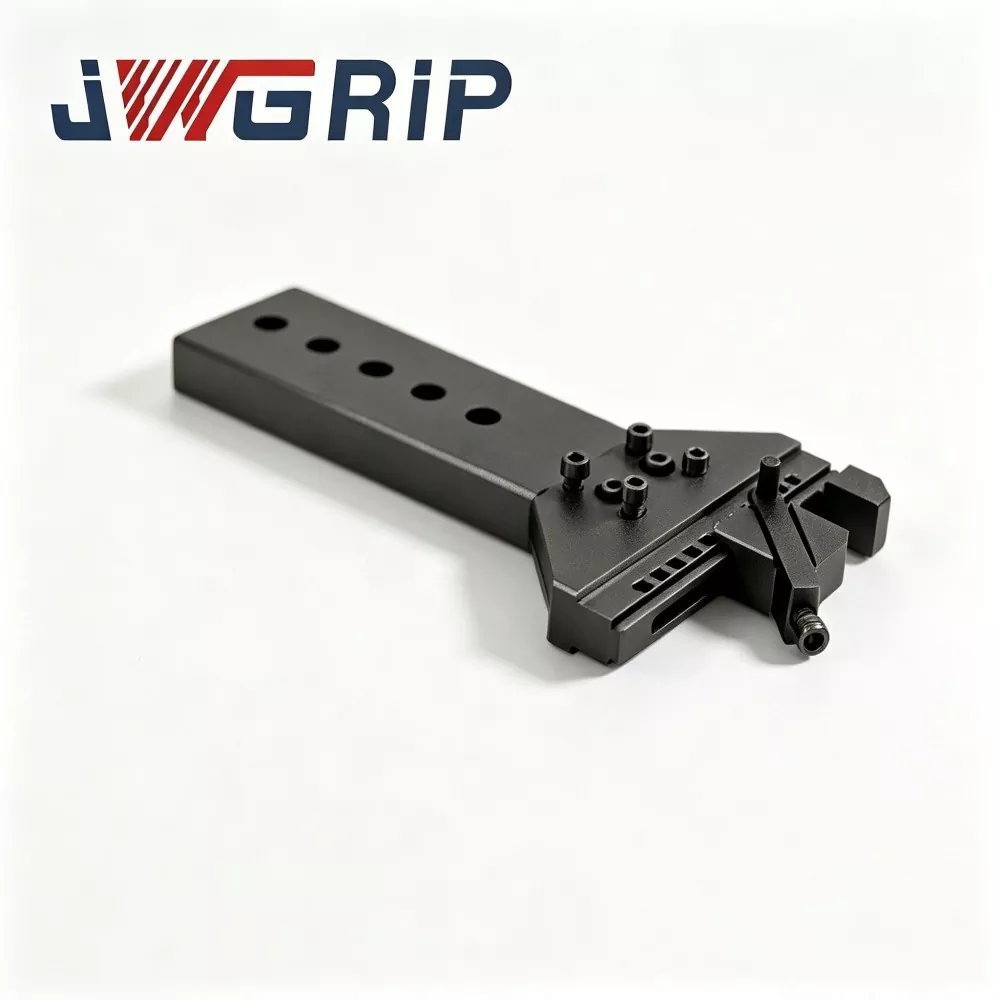
JWGRIP provides Professional L-Type Zero Point Positioning Chuck Pallet with Factory Direct sales service in China. As a core integrated fixture of the Zero Point Clamping Chuck series, this professional L-type zero point pallet is specially designed for flexible CNC machining production lines with space-limited equipment. It integrates vertical datum conversion structure and high-precision zero-point positioning components into one monolithic unit, eliminating the need for extra auxiliary adapter structures to realize vertical workpiece clamping and side feature machining.
JWGRIP is a professional Zero Point Clamping Chuck Series manufacturer and supplier in China. We warmly welcome you to wholesale high quality products at competitive price from our factory.