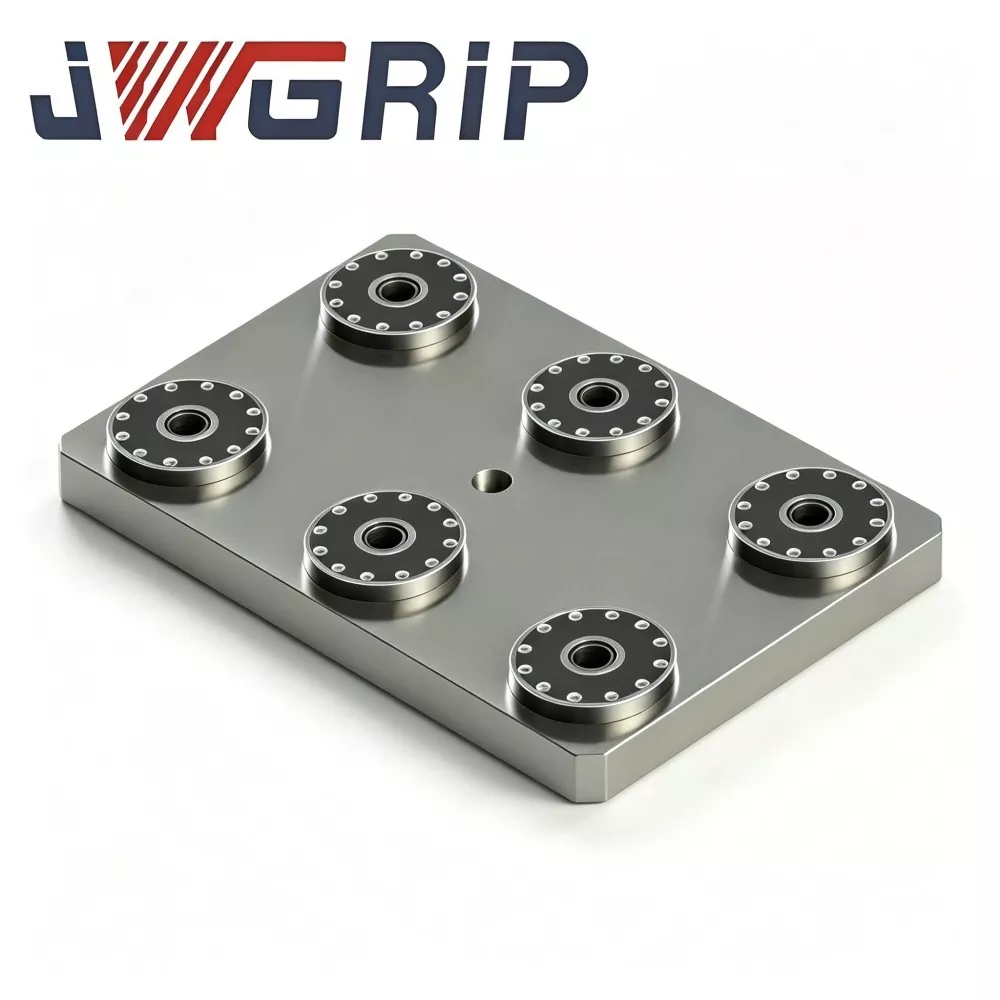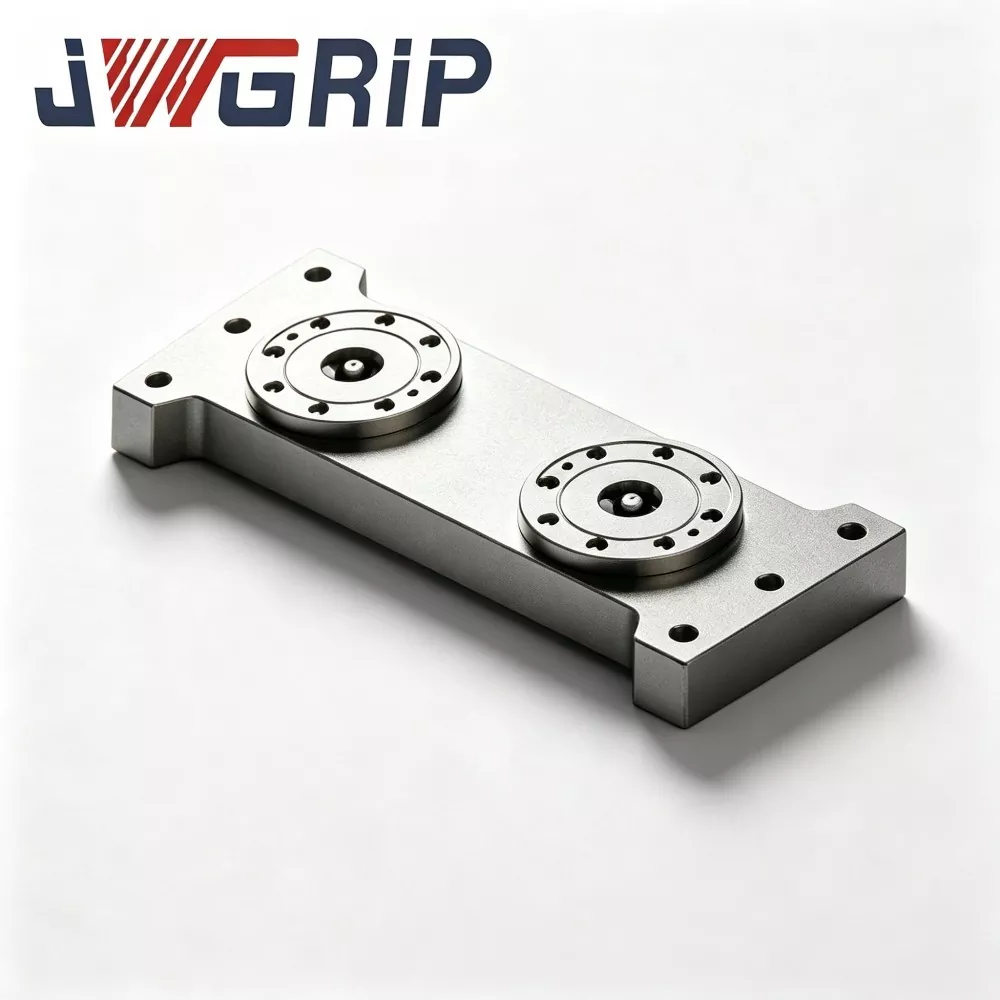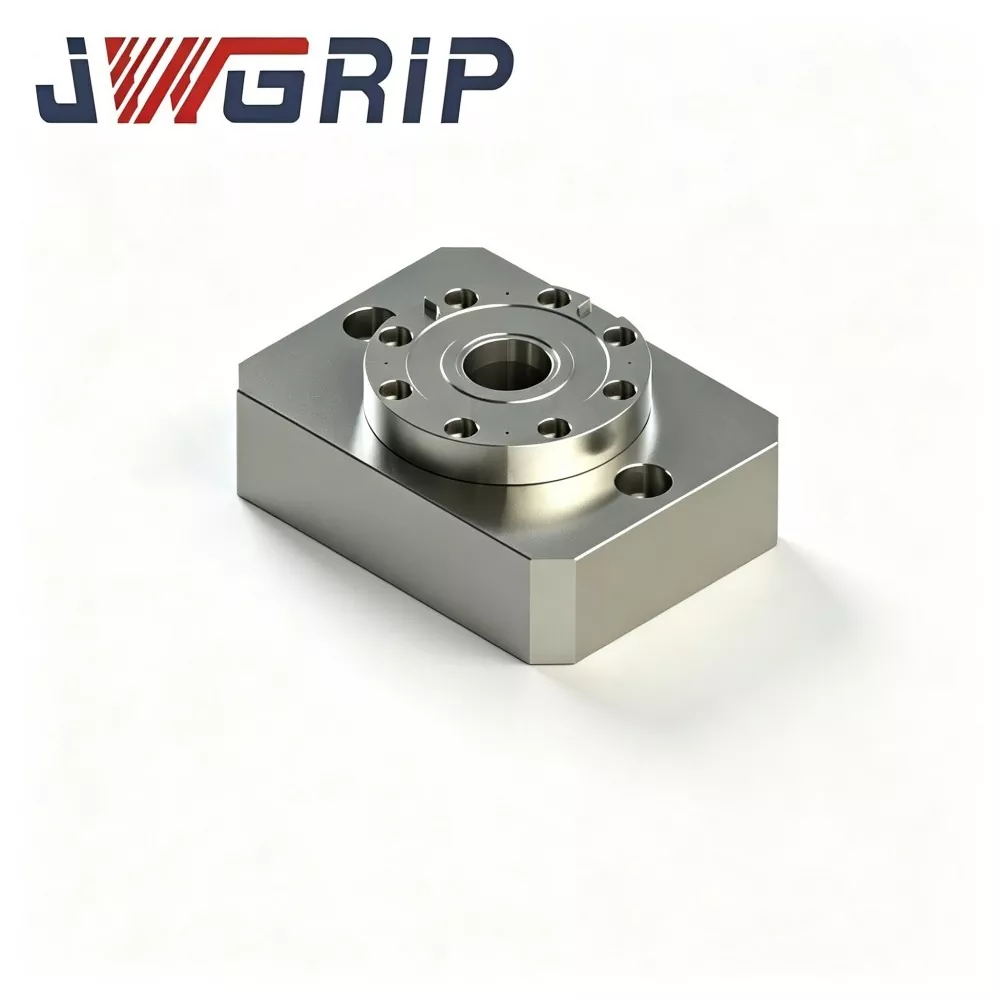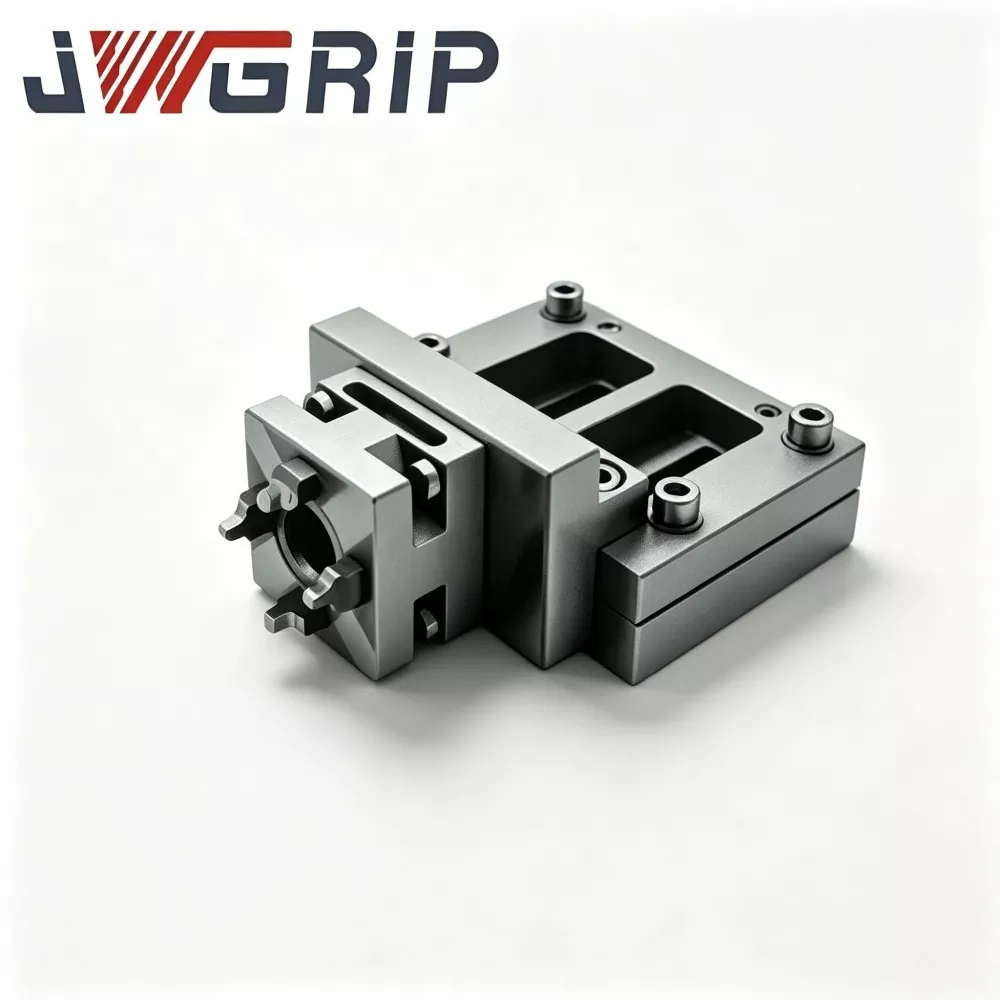
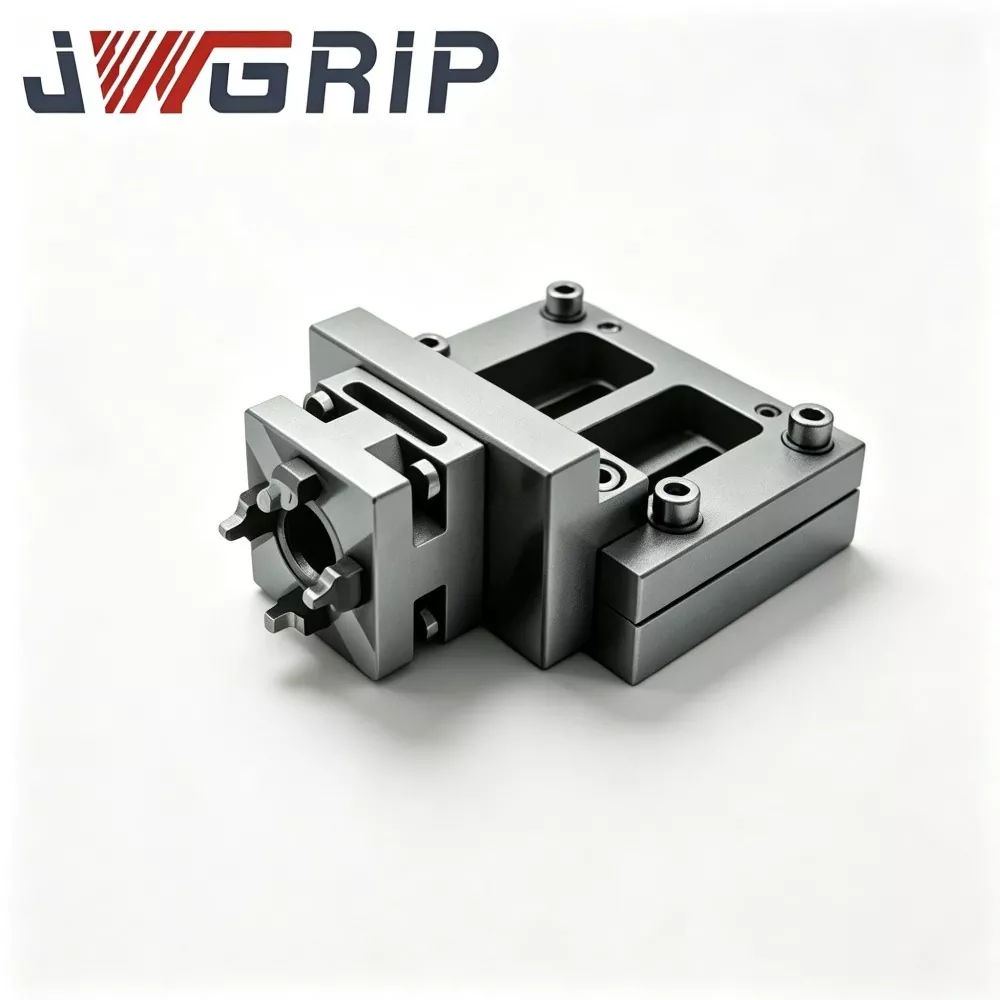
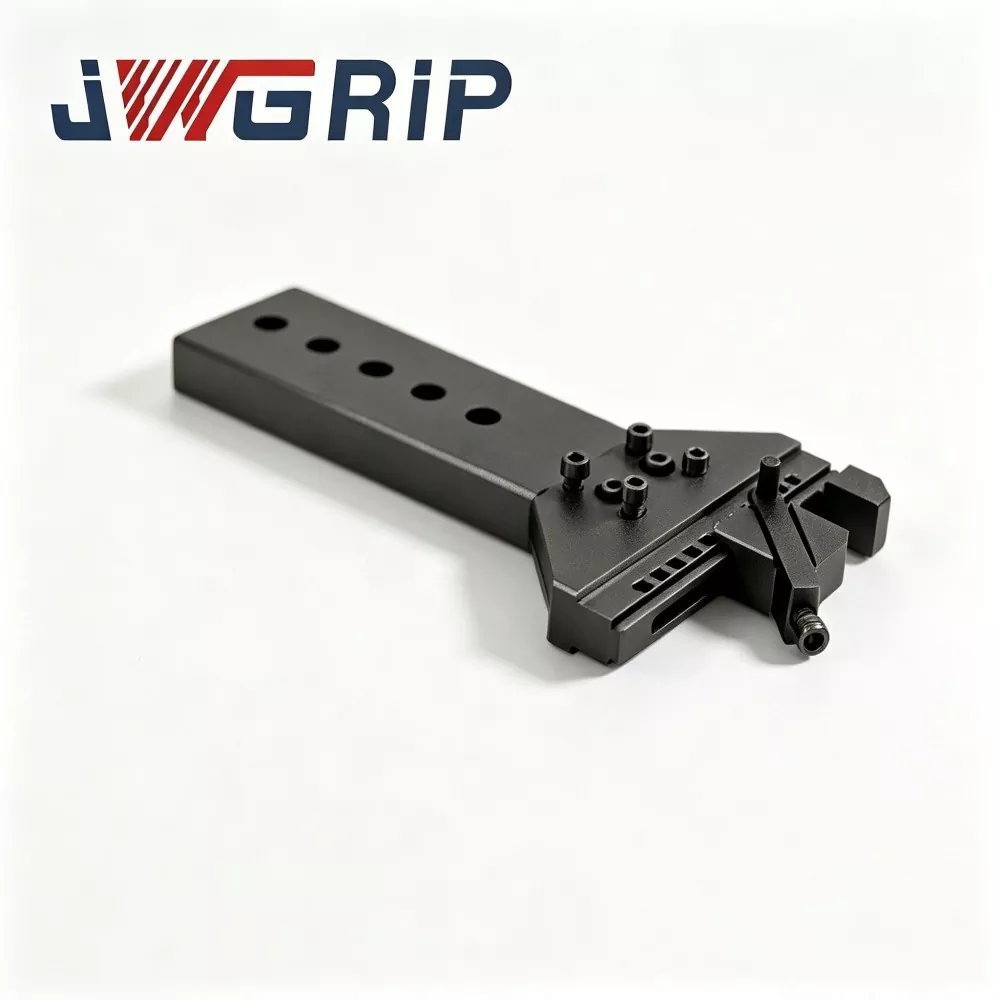
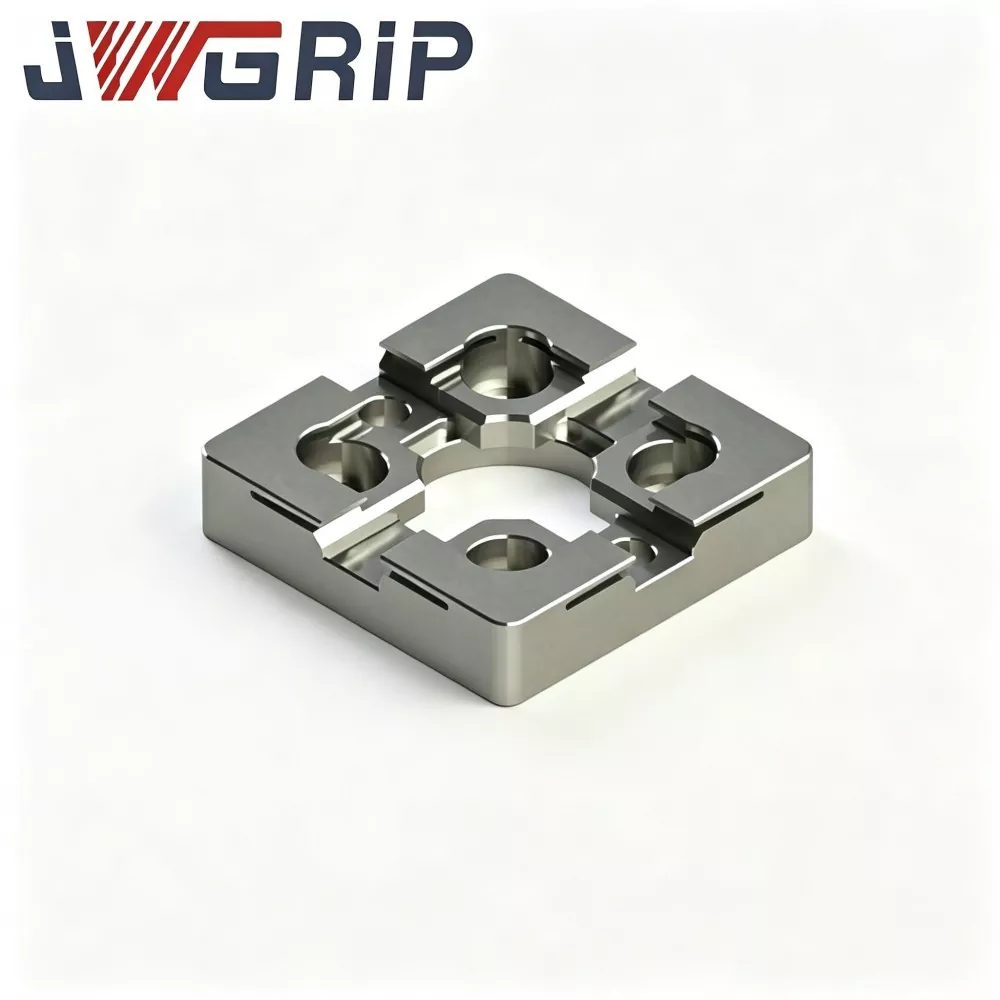
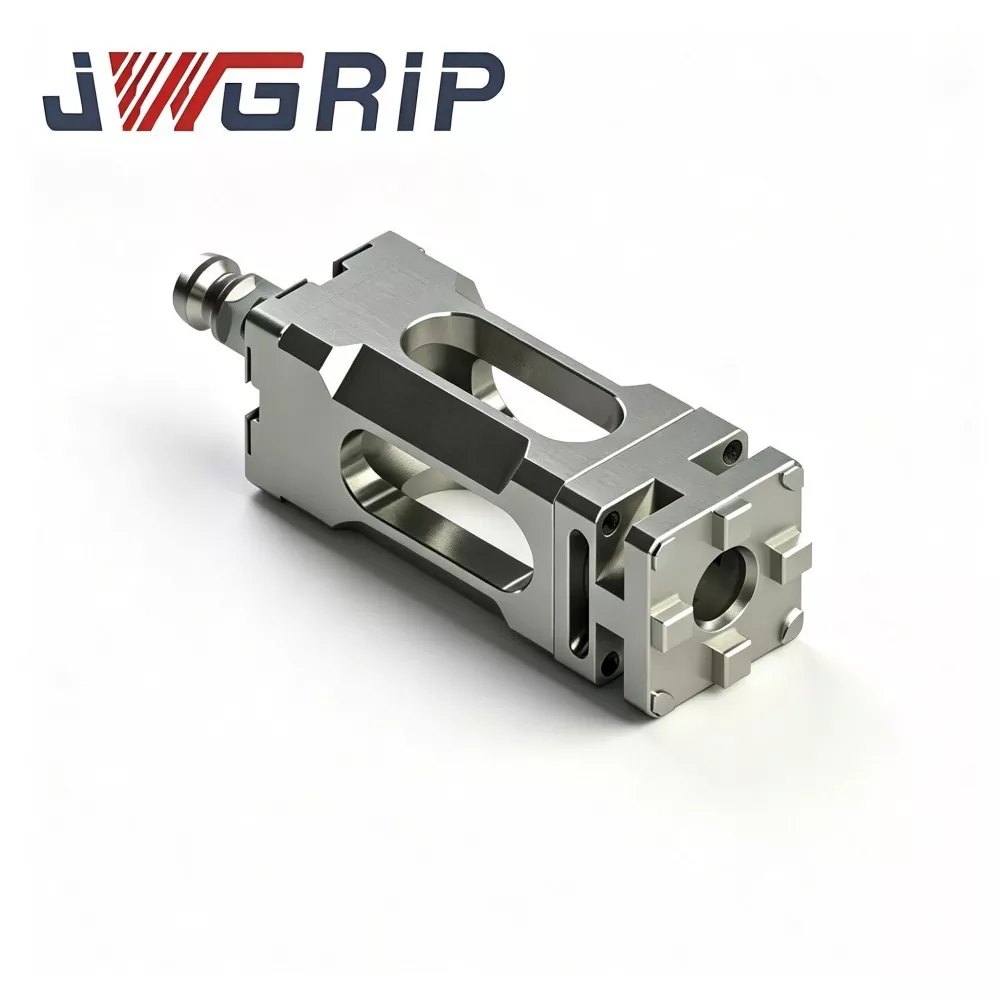
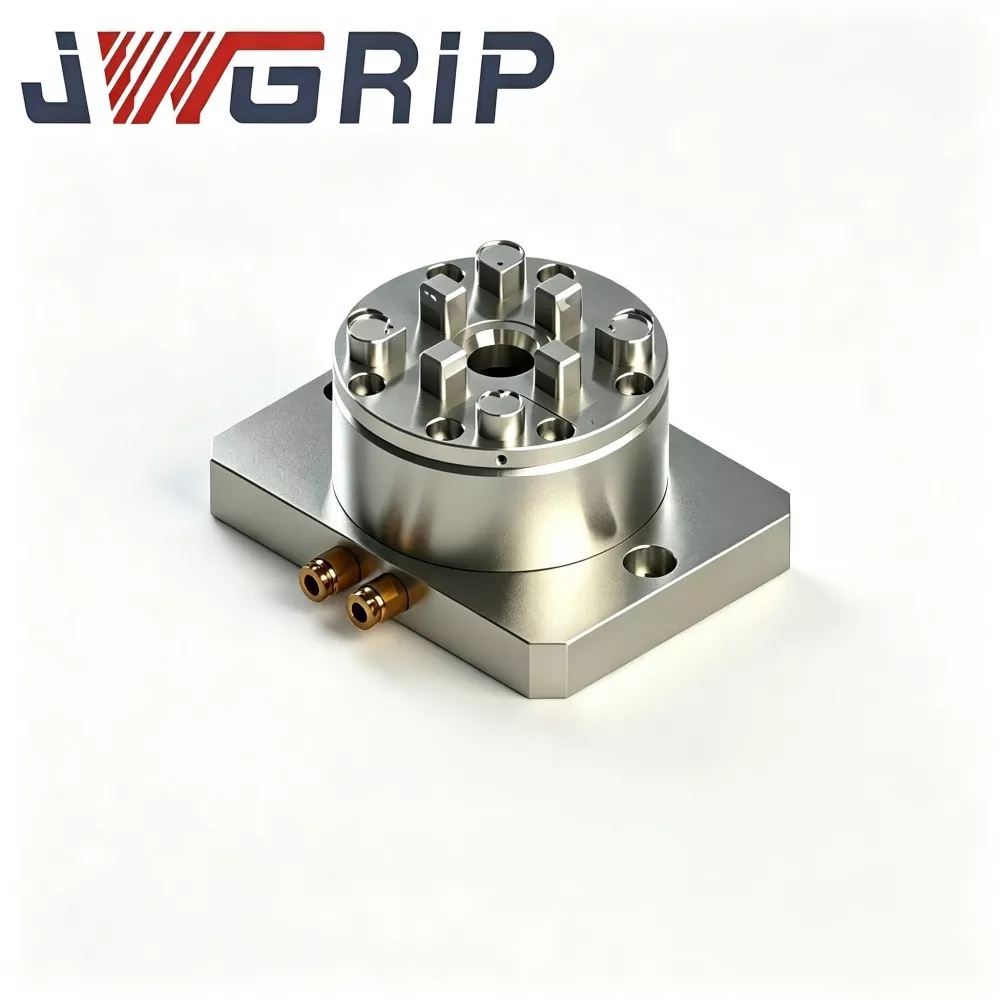
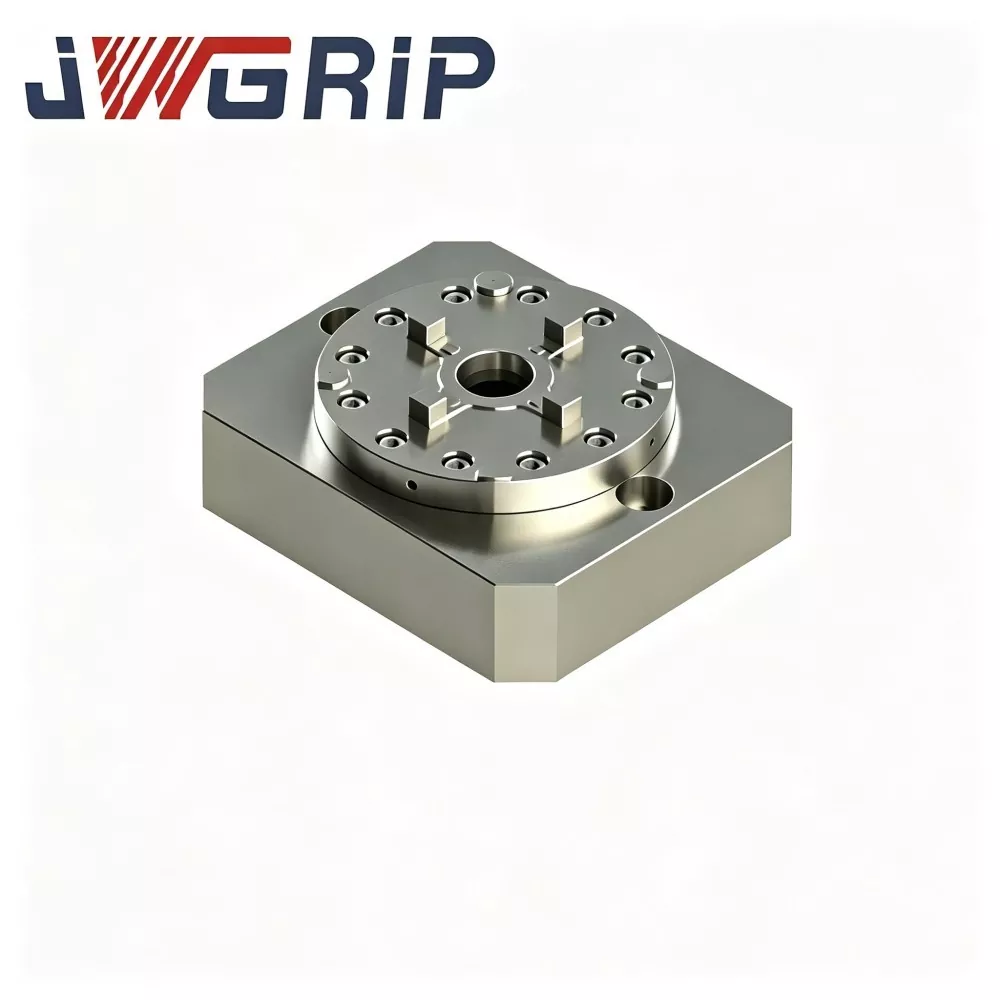
Integrated Single Center Zero Point Clamping Chuck
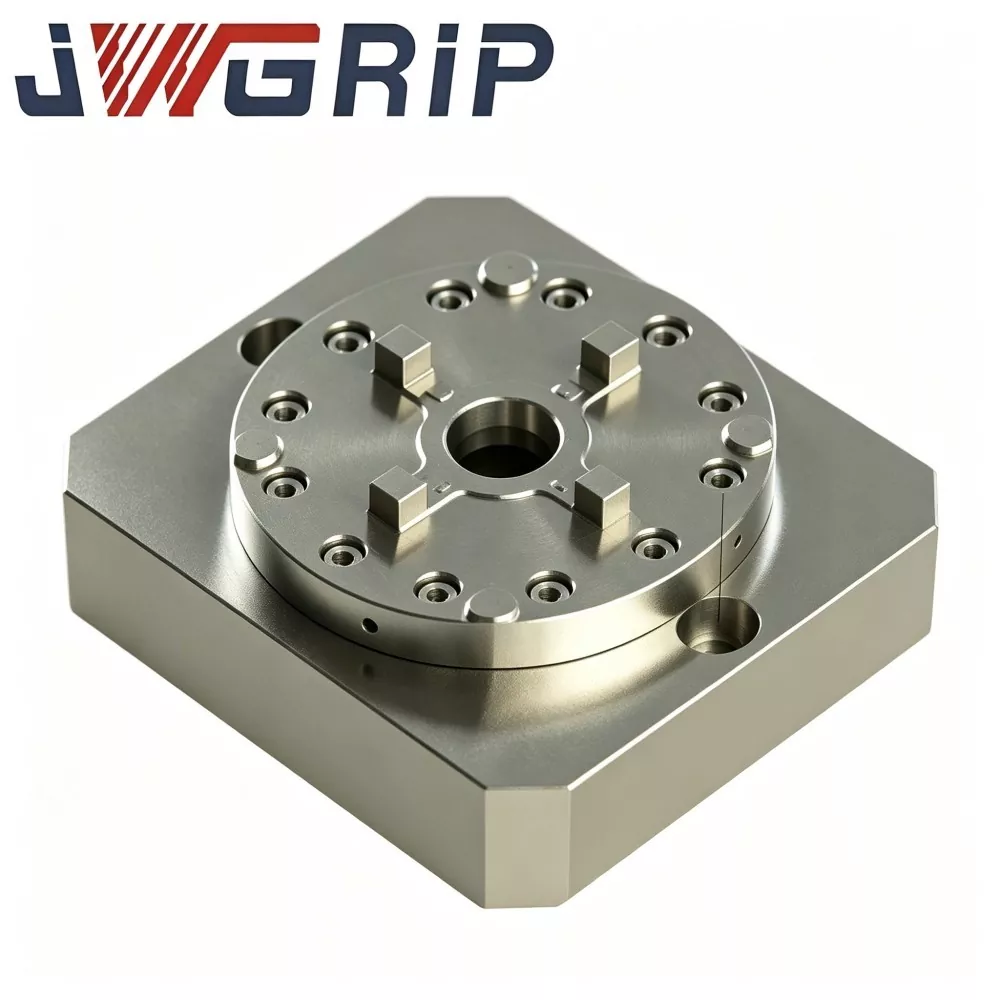
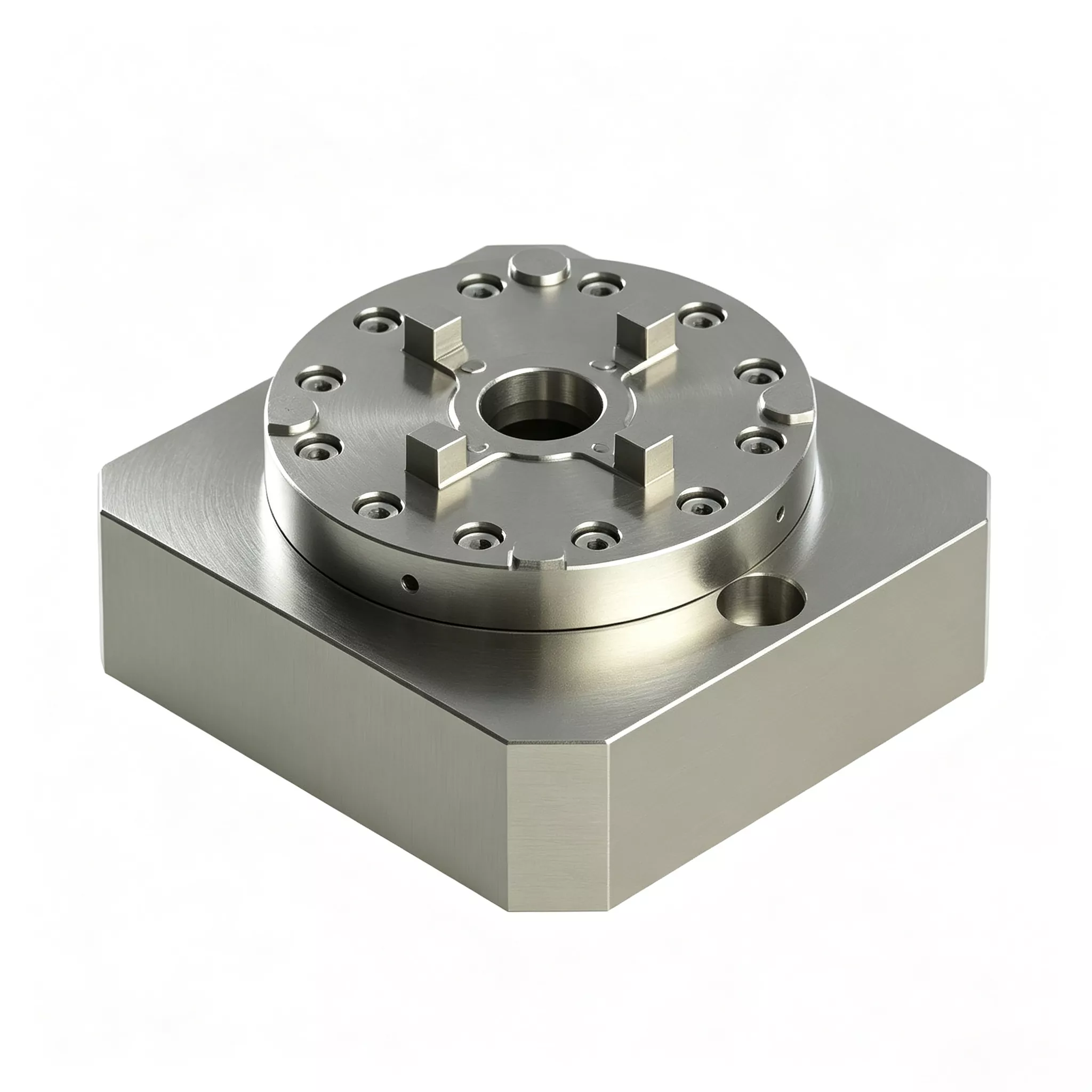
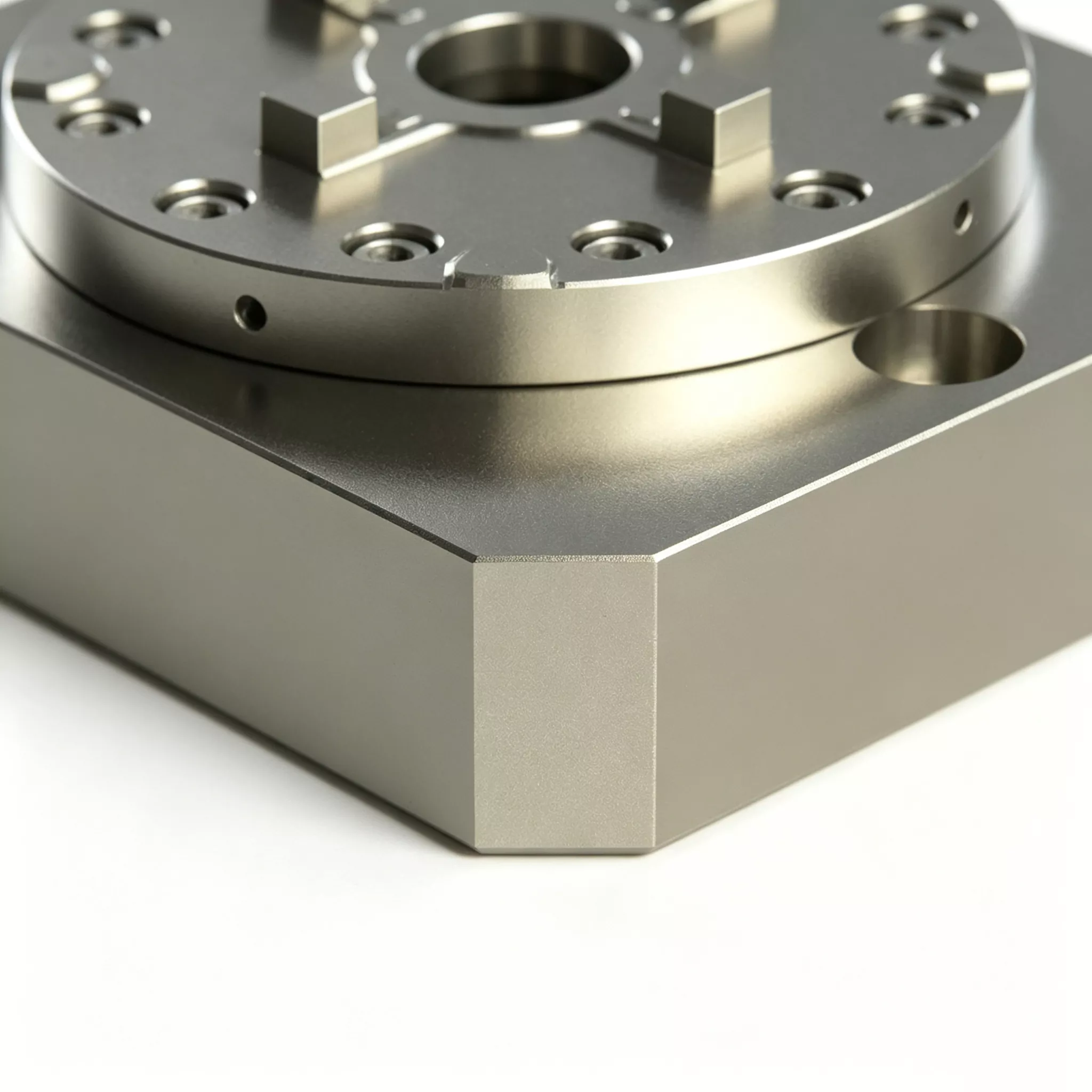
JWGRIP provides Factory Direct sales of Customized Integrated Single Center Zero Point Clamping Chuck in China. It is an all-in-one integrated positioning and clamping fixture specially optimized for modern CNC turning-milling composite machines and vertical machining centers. Differing from traditional split-type fixture combinations, this product integrates single-center self-centering clamping mechanism and zero-point locking positioning structure into a complete monolithic body, requiring no additional matching accessories.
Adopting an integral one-piece forming design, the Integrated Single Center Zero Point Clamping Chuck eliminates on-site assembly and calibration procedures of discrete fixtures. All core component matching, precision grinding and pre-commissioning are completed in the factory, enabling plug-and-play use for end users with unified and stable single-center reference accuracy. Manufactured with reinforced alloy steel and complete stress-relief heat treatment, the product’s key surfaces are processed by ultra-precision grinding, ensuring excellent and repeatable concentricity during frequent pallet replacement.
Equipped with an internal labyrinth sealing structure, it effectively isolates cutting emulsion and metal chips, delivering stable performance under heavy cutting and high-chip processing conditions. Supporting offline presetting and fast pallet exchange, this high-efficiency clamping chuck is widely applicable for precision machining of shaft and disc-shaped workpieces in automotive, hydraulic components and mold industries, realizing automated, high-precision and high-efficiency flexible production.
Core Unit Hardware
Each JWGRIP Integrated Single-Center Zero-Point Clamping Chuck is produced from one-piece forging blank. No assembly seams exist among locating surfaces, mounting flanges and internal air passages. The complete assembly includes:
One-piece forged substrate
Built-in pneumatic-locking piston assembly
Zero-point positioning bushing assembly
Internally integrated pneumatic passages
NPN lock-status signal-output interface
Flange mounting counter-sink holes
Two Deployment Modes
Mode 1: Stand-Alone Single-Point Operation
1. Fasten chuck flange onto machine-tool worktable.
2. Mount fixture base pre-equipped with D20 zero-point pull studs onto chuck locating datum face.
3. Supply 0.5-0.7 MPa compressed air; internal piston drives bushings to complete pull-in locking.
4. Position-confirmation signal outputs, CNC machine executes heavy-cutting cycles.
5. After machining completes, release air pressure for unlocking and remove fixture base.
Mode 2: Multi-Chuck Array Heavy-Duty Fixture Mode
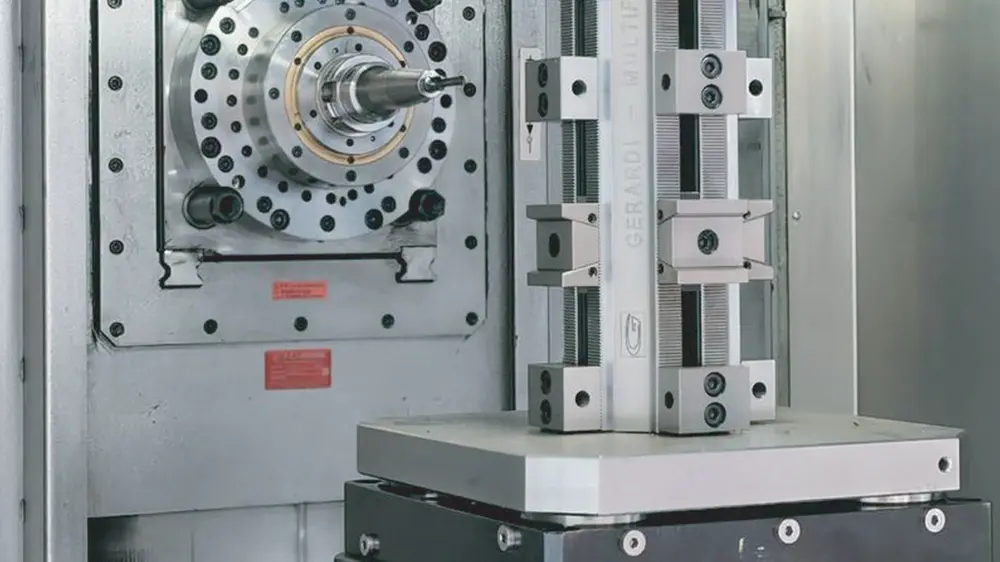
1. Arrange multiple integrated single-center chucks on machine-tool T-slot worktables according to fixture-base weight and outer dimensions. Multiple units share cutting loads jointly.
Important note: Similar to modular split-style chucks, relative-position relationships among array-mounted chucks still require on-machine dial-indicating and alignment, which belongs to customer on-site commissioning scope.
Material & Accuracy Design Notes
Quenched-and-tempered alloy-steel blanks undergo dual stress-relief aging after forging. Under heavy-duty cyclic impact-loading, insufficient stress release causes slow substrate deformation and shortens fixture service life.
High-hardness bearing-steel positioning bushings receive quenching plus inner-bore honing super-finishing, delivering ±2 μm repeat-locating accuracy per single unit.
The one-piece forging solution requires longer production cycles and higher material cost, resulting in higher ex-works price compared with split-type chucks. Nevertheless, it greatly cuts hidden costs caused by later-stage downtime failures and frequent spare-part replacement.
Core advantage
1. Eliminate joint-triggered failure risks and reduce unplanned production-line downtime Bolt-joint stress relaxation on split-type chucks creates hidden progressive failures, which bring intermittent workpiece out-of-spec issues and unplanned downtime. Joint-free monolithic forging removes these failure points and cuts labor-time loss caused by process-fault troubleshooting.
2. Prolong fixture service life and lower spare-part procurement frequency Under equivalent heavy-duty production intensity, monolithic forged substrates avoid loosening at assembly joints. Service life gets extended. Users are freed from frequent full-chuck replacement and bolt-spare-part restocking, mitigating long-term spare-part inventory pressure.
3. Retain modular layout flexibility despite monolithic construction Both standalone single-point usage and multi-chuck array layout are supported. Factories select chuck quantity according to actual workpiece load requirements. Free from fixed-station limits of pre-fabricated pallets, it adapts to non-standard heavy-duty fixture bases.
4. Reuse existing D20 zero-point pull-stud fixture assets In-house heavy-duty fixture bases can be directly reused after retrofitting standard D20 zero-point pull studs. Mass fixture remanufacturing is unnecessary and previous fixture investment is well-preserved.
5. Dual-support for manual-run workshops and automation upgrading projects Built-in G1/8 air port and NPN signal-output interface enable direct manual-mode operation. For automation projects, it connects with PLC and industrial robots to realize automatic heavy-duty fixture loading-unloading.
Application Cases
Case 1: Heavy-Duty Mold-Making Factory
This customer previously purchased batches of split-type single-center chucks for mold-blank roughing. Although unit purchase price was low:
· 2-3 hidden joint-related failures occurred every quarter
· Bolt stress-relaxation triggered intermittent workpiece dimensional deviation
· Each fault brought average 4-8 hours production downtime plus scrapped mold blanks, together with extra spending on replacement bolts or complete chucks
After switching to JWGRIP Integrated Single Center Zero Point Clamping Chuck:
· Zero intermittent out-of-spec failures originating from assembly-joint defects within ten consecutive months of production
· Even with higher unit purchase cost, comprehensive costs covering downtime loss, workpiece scrap and spare-part purchasing dropped significantly.
Case 2: Engineering-Machinery-Component Subcontractor
The customer processes thick-plate workpieces on 5-axis machines by adopting multi-chuck array layout.
Old split-type chucks demanded full disassembly and bolt-torque re-check every two months, occupying valuable machine production hours.
After deploying JWGRIP monolithic chucks, those periodic retorque-inspection workflows are eliminated, unlocking more effective machining time.
Complete Production Workflow
1. Alloy-steel blank one-piece forging
2. Rough-machining
3. First stress-relief aging
4. Semi-finishing
5. Secondary stress-relief aging
6. Super-precision grinding for datum faces
7. Deep-hole internal pneumatic-channel machining
8. Bushing press-fitting
9. Pneumatic-signal component assembly
10. Air-tightness pressure-holding test
11. Single-unit independent accuracy inspection
12. Anti-rust protection treatment
13. Export-grade shock-proof packing
Inspection Checklist
· Single-chuck repeat-positioning-accuracy test
· 5-minute air-holding air-tightness test; max allowable pressure drop ≤0.02 MPa
· Cyclic locking-unlocking durability test
· Signal-output-logic functional verification
Note: Factory inspection only guarantees accuracy for individual standalone chuck. Mutual-position accuracy after array-layout mounting relies on customer on-machine indicating-and-alignment and is not covered by factory inspection scope. Every unit ships with standalone-unit factory-inspection data sheet for customer equipment archiving.
Evaluation & Selection Guidance
1. Analyze real-world cutting conditions: Calculate the proportion of heavy-duty roughing and high-feed-milling tasks. This product is best-suited for scenarios with high heavy-cutting share. Split-type chucks deliver better comprehensive cost-performance for workshops dominated by light-cutting jobs.
2. Perform total-cost-of-ownership (TCO) assessment: Apart from unit purchase price, factor in potential downtime labor-hours, workpiece-scrap loss, periodic re-check labor and spare-part replacement frequency.
3. For array-layout deployment: Calculate load borne by each chuck and never exceed rated capacity. Confirm machine-tool T-slot compatibility for Φ130 mm flange footprint.
4. Maintain stable workshop air-source pressure at 0.5-0.7 MPa. Reserve PLC NPN signal IO points for automation-oriented projects.
5. Confirm on-site pull-stud specifications. Custom bushing assemblies are available upon request for non-standard pull-stud sizes.
Installation & Maintenance Specifications
Fasten flange bolts strictly according to torque-value requirements from JWGRIP user manual. Insufficient torque causes whole-unit micro-movement; over-torque squeezes flange and deforms substrate.
Install oil-water filter at air-inlet front-end to block moisture and impurities, preventing bushing rusting and abrasion-induced accuracy drift.
Spray dry-lubricant aerosol onto bushings after every cumulative 80-100 working hours. Liquid engine oil is strictly prohibited, as oil attracts metallic chips and triggers bushing-jamming failures.
Blow-clean locating datum face with compressed-air after each shift-change.
Re-indicate and recalibrate relative coordinates whenever array layout gets modified; old coordinate parameters cannot be reused directly.
Prevent heavy-object impact against locating datum face. Collision-caused forging-substrate deformation cannot be repaired on-site.
Packaging & Shipment
· Packaging: Each standalone chuck is packed in individual export-grade shock-proof carton with foam inner buffer. Bulk-volume orders adopt solid-wood export-grade cases.
· Standard lead-time: 16-22 working days. Selected standard SKUs are kept in stock for expedited shipment.
After-Sales Support
Warranty: 12-month warranty covers manufacturing defects for standalone chuck unit only. Array-assembly mutual-position accuracy after customer on-site installation is excluded from warranty scope.
Technical resources: Online drawings and operation documents are provided.
Paid service: Remote technical support is available for bulk-volume orders.
Custom modification: Flange-dimension adjustment, pull-stud-spec alteration are supported.
Sample evaluation: Evaluation sample can be arranged; buyer undertakes sample freight cost.
FAQ
Q1: Does JWGRIP Integrated Single Center Zero Point Clamping Chuck achieve higher static-accuracy figures versus split-type chucks?
A: Nominal single-unit repeat-positioning accuracy remains ±2 μm. Static-accuracy index itself is not improved. Its core value lies in eliminating progressive hidden failures caused by bolt-joint relaxation, reducing downtime and workpiece-scrap loss. It brings reliability improvement instead of static-spec upgrade.
Q2: Do I have to choose monolithic integrated chucks for all heavy-duty scenarios?
A: Not necessarily. Split-type chucks are still feasible if heavy-duty tasks happen infrequently and regular bolt-torque re-check can be performed on-machine. Please make decisions based on comprehensive TCO calculation rather than hardware specifications alone.
Q3: Is periodic bolt-torque re-check required for array-layout setup?
A: No disassembly-retorque is required for chuck internal components because there are no built-in assembled joint bolts. However, flange bolts that fasten chuck onto machine-tool worktable still need periodic torque re-check following maintenance schedules.
Q4: Can my existing D20 zero-point fixture bases work with this chuck?
A: Fixture bases fitted with standard D20 zero-point pull studs can be used directly.
Procurement Decision Insight
Many procurement teams only compare upfront hardware prices while overlooking hidden costs including downtime, workpiece scrap, maintenance labor and spare-part consumption after fixtures go online.
The core competitiveness of JWGRIP Integrated Single Center Zero Point Clamping Chuck does not come from paper-based specification parameters. Its real value is improving fixture reliability under heavy-duty cutting conditions and lowering comprehensive losses caused by unplanned downtime and rejected parts.
Selection should be judged by full-lifecycle total-cost-of-ownership rather than one-off purchase price. For high-frequency heavy-duty production lines, extra procurement cost can be quickly offset by failure reduction. For low-frequency heavy-duty applications, input-output ratio needs careful weighing before ordering.
Hot Tags: Integrated Single Center Zero Point Clamping Chuck, China, Manufacturer, Supplier, Factory
Send Inquiry
Contact Info
-
Address
No. 44, Daning Entrepreneurship Road, Humen Town, Dongguan City, Guangdong Province, China
-
Tel
-
Email
Welcome to send inquiry to JWGRIP. Our professional technical and sales team will provide free fixture selection, customized solution design and accurate quotation.