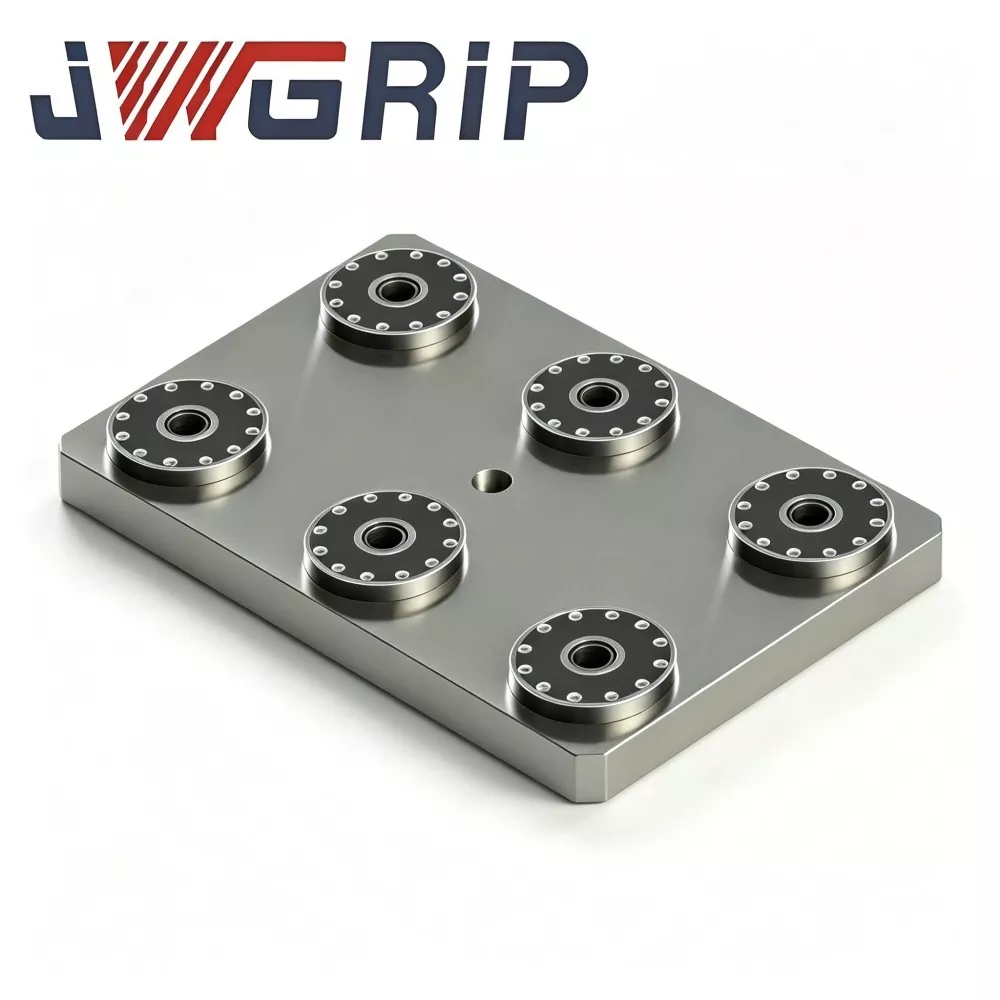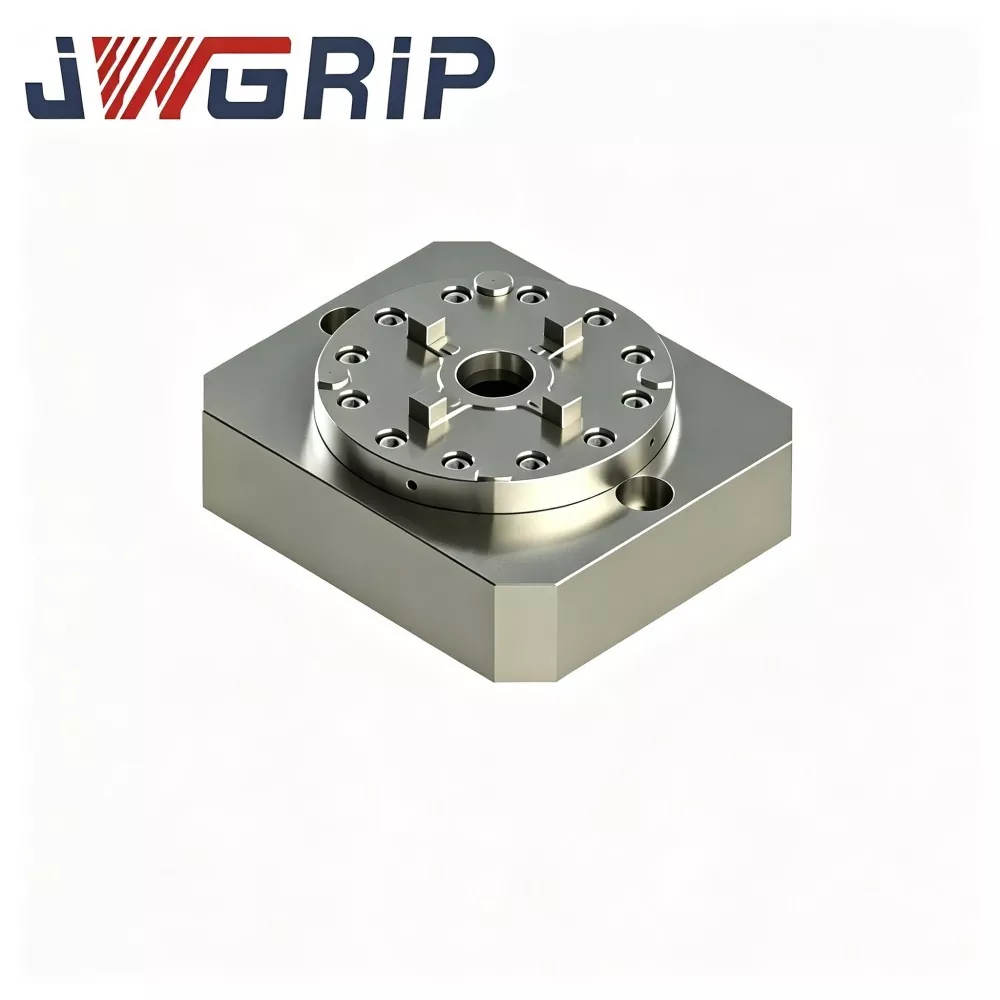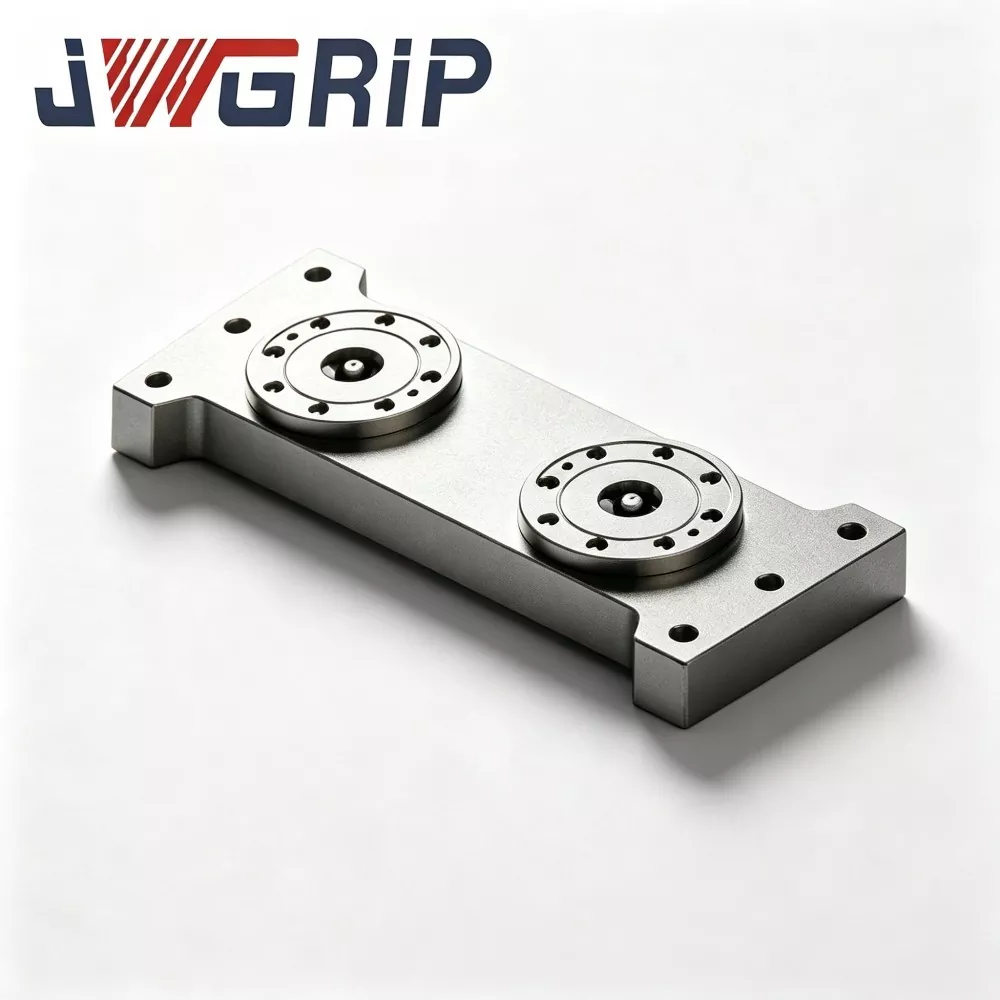
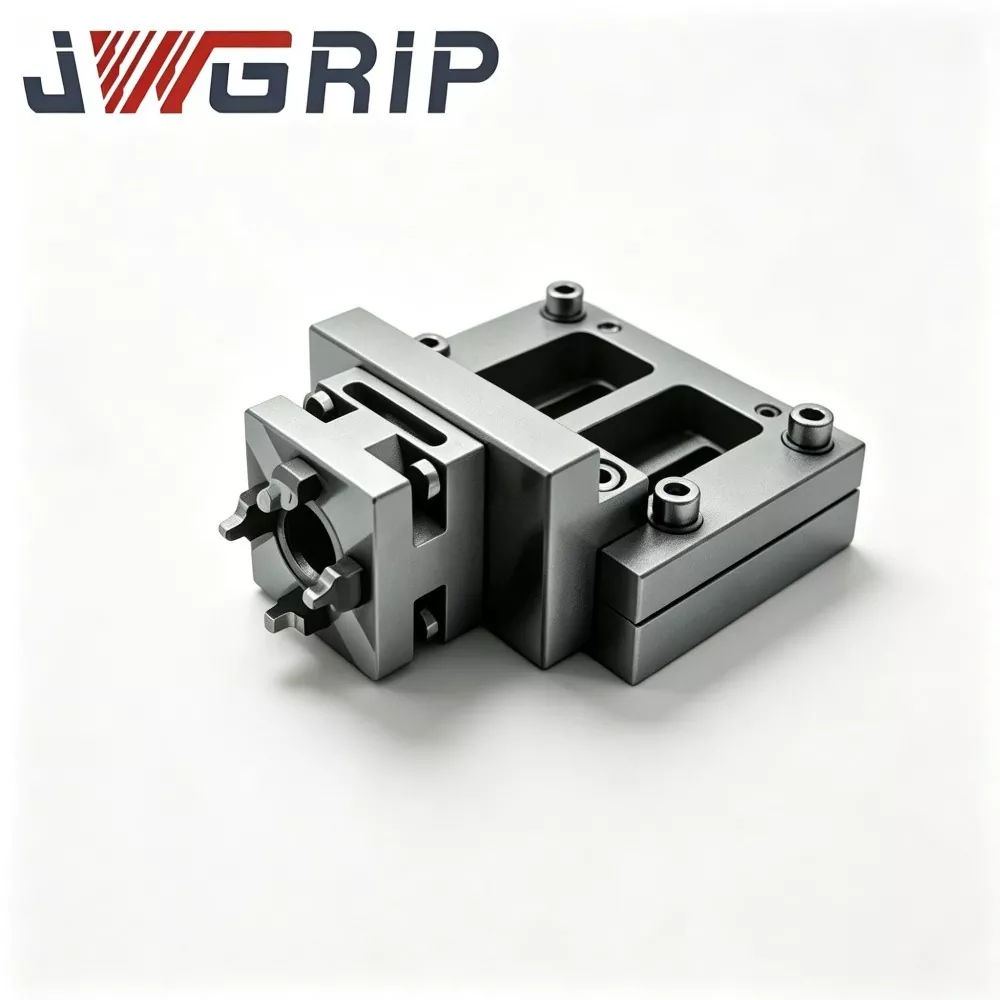
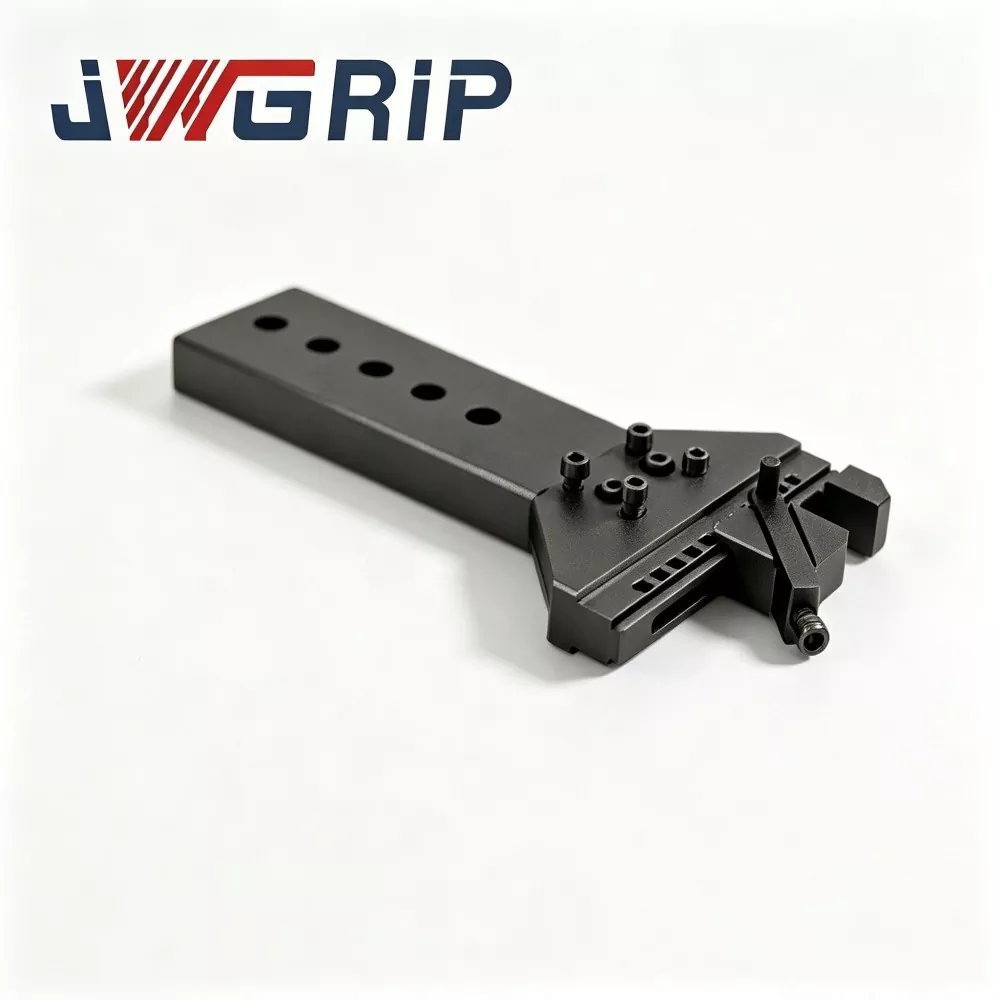
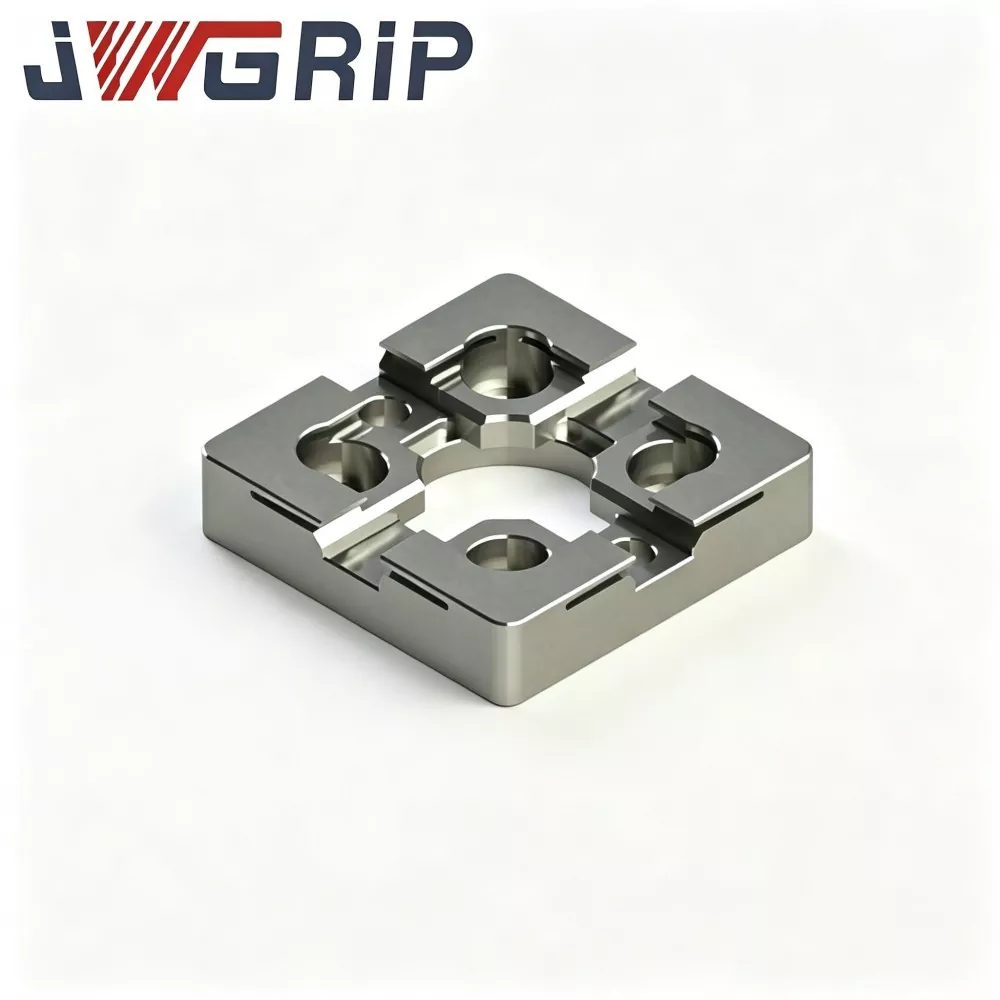
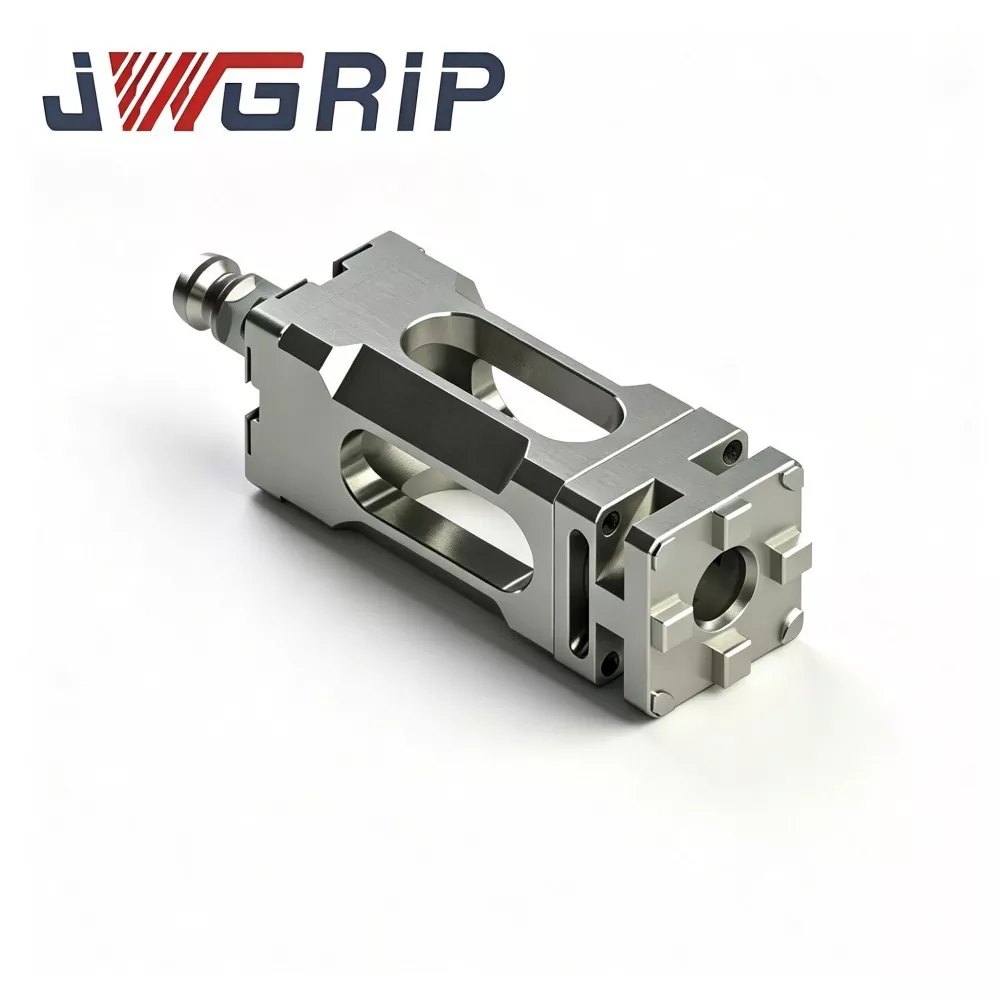
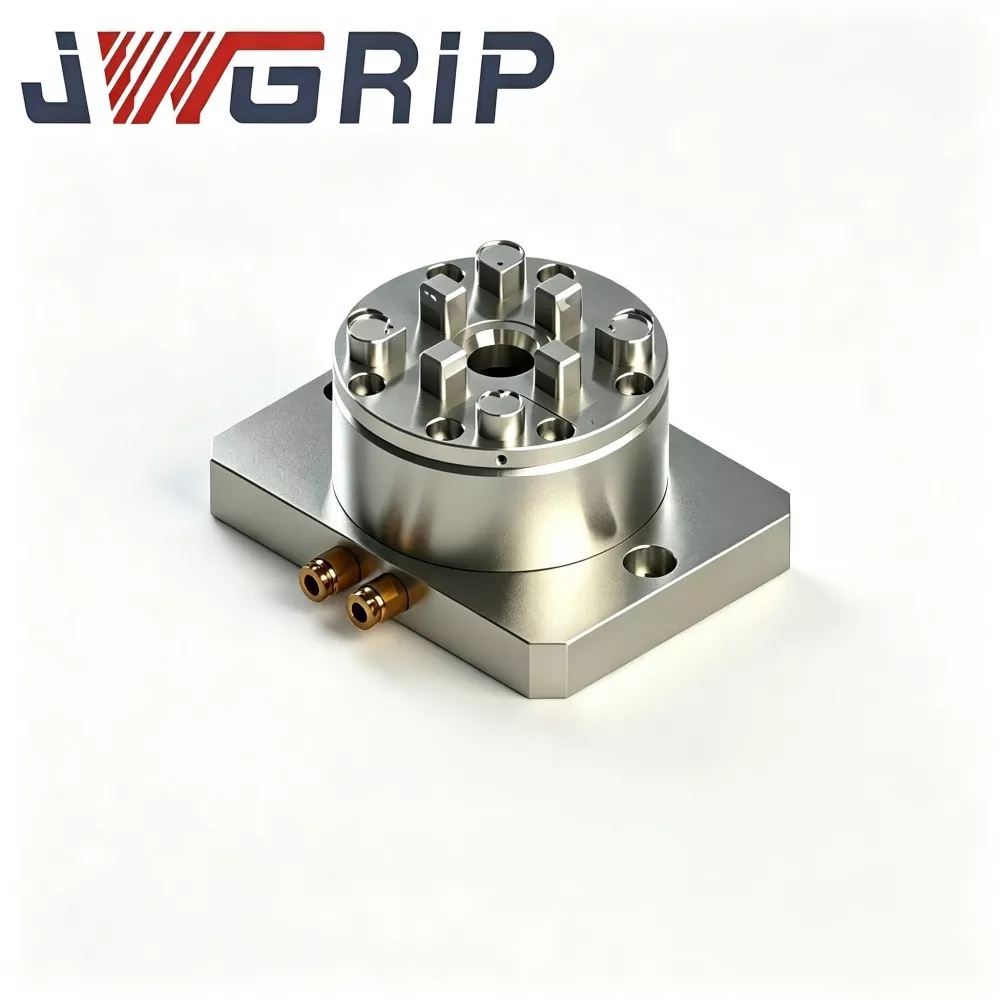
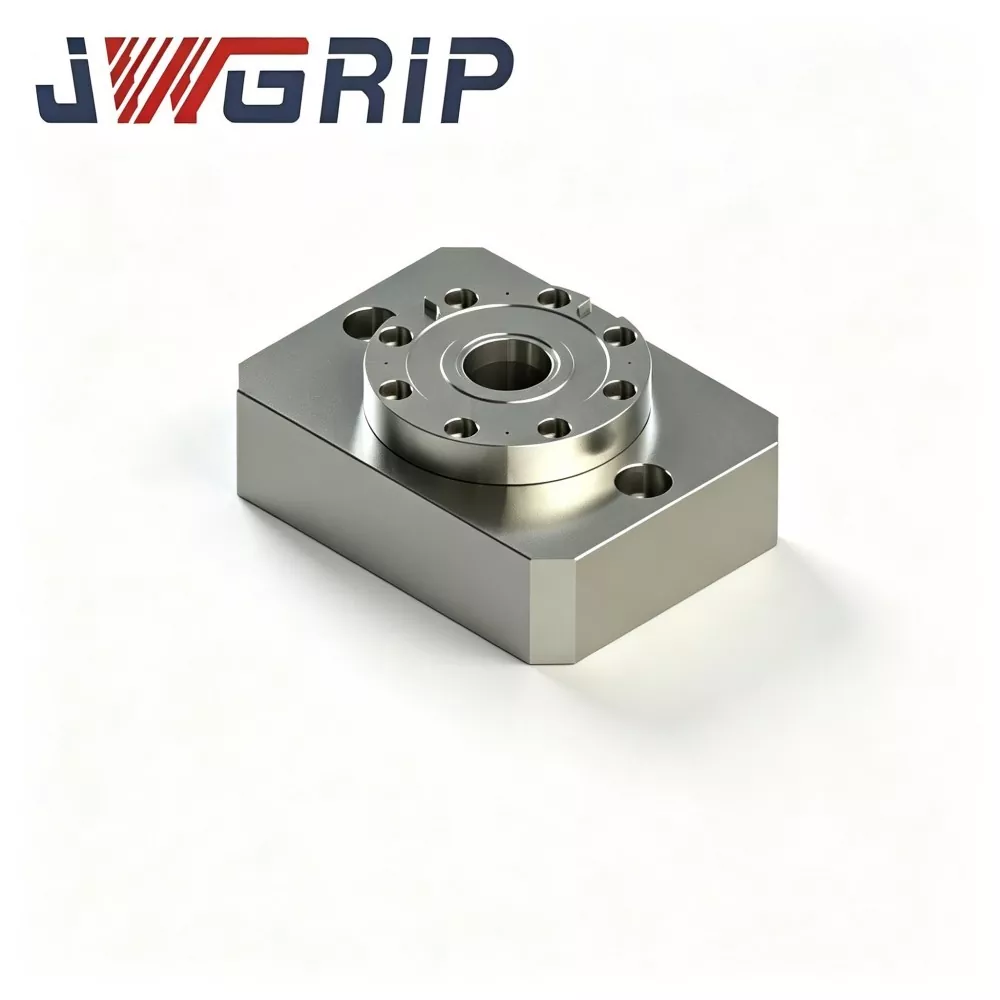
Single Center Zero Point Positioning Chuck
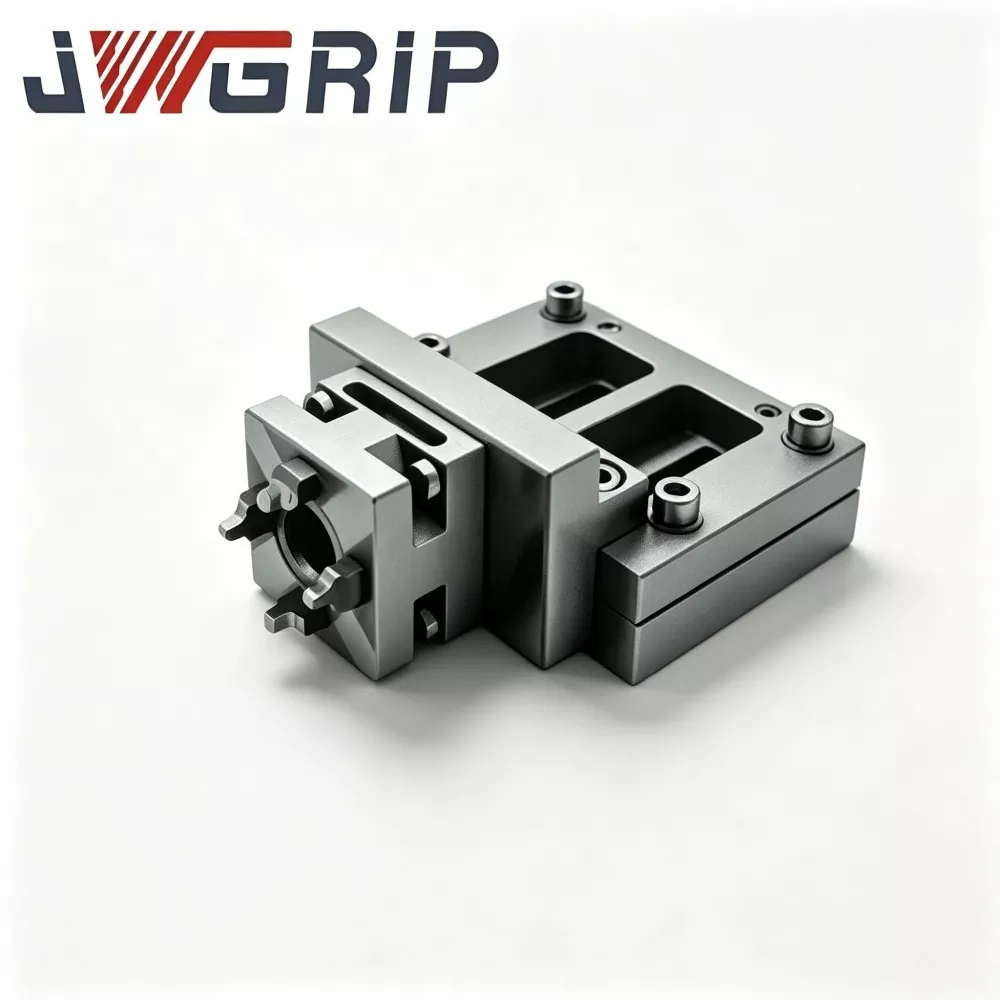
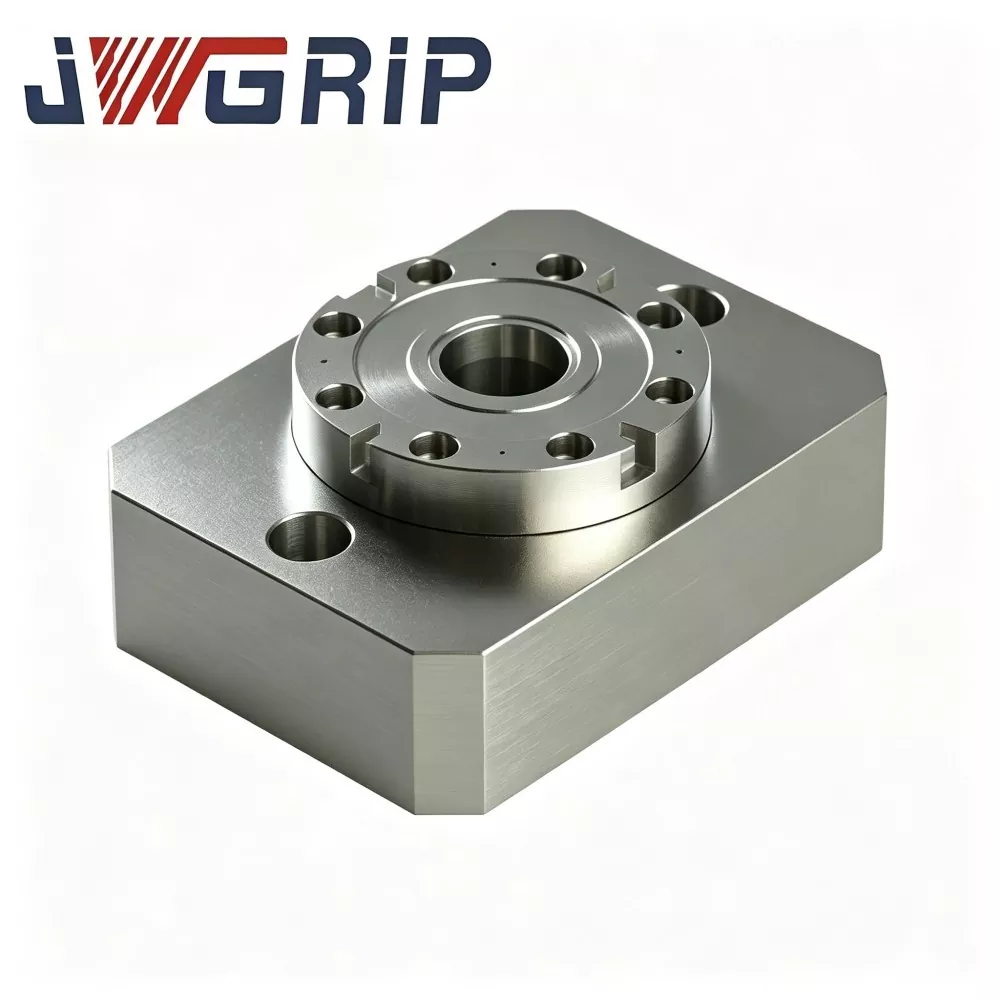
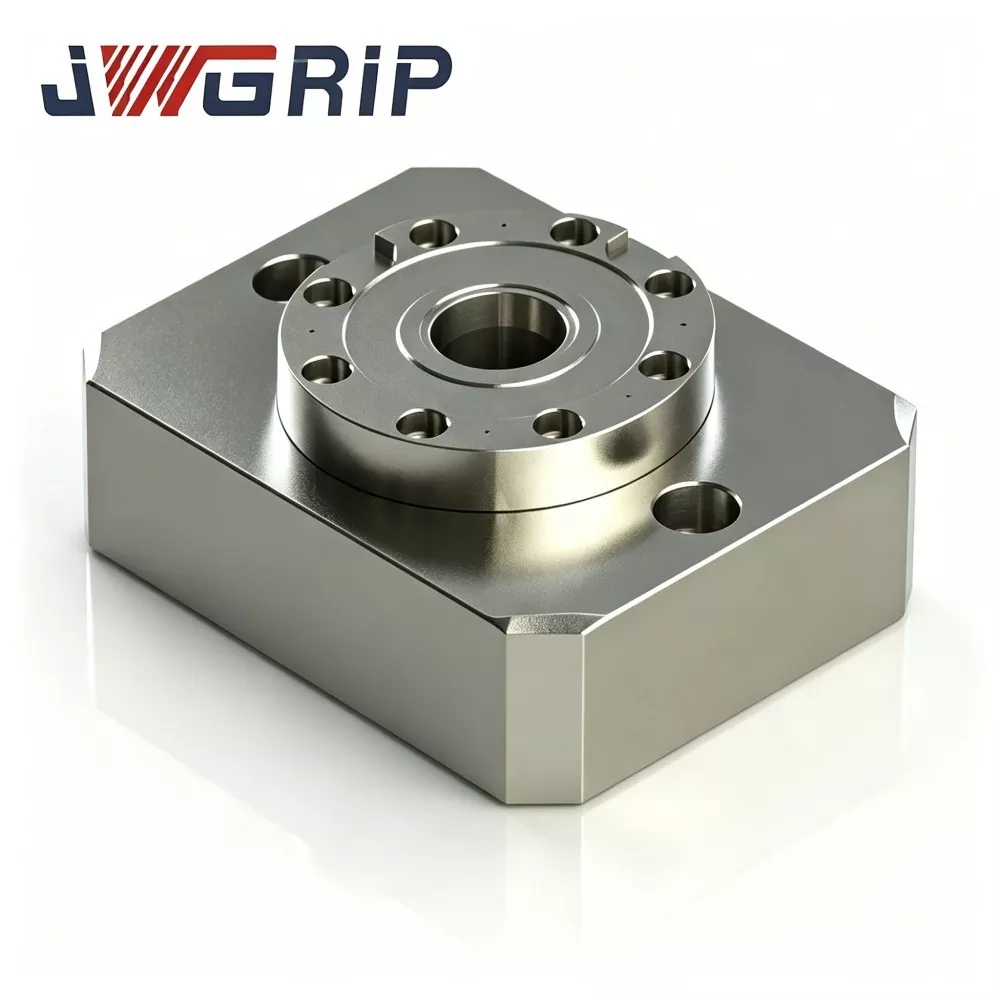
JWGRIP is the manufacturer and supplier of the professional Single Center Zero Point Positioning Chuck in China. As a core modular unit of the standard Zero Point Clamping Chuck series, this product is a standalone single-point zero-point locking and positioning fixture specially designed for flexible CNC quick-change systems. It adopts an independent modular structure design, serving as the basic assembly unit for customized fixture layouts, and effectively solves the layout limitations of traditional integral multi-station zero-point pallets.
The Single Center Zero Point Positioning Chuck features high positioning accuracy, strong structural compatibility and flexible layout scalability. Different from fixed-size integrated multi-station pallets, this single-point modular chuck allows free combination of multiple units according to actual workpiece specifications and fixture base sizes. Users can arrange single or multiple chucks in arbitrary array layouts with customizable center distances, fully adapting to single-piece sampling processing, small-batch sporadic production and mold maintenance machining scenarios.
It supports manual rapid fixture replacement to improve workshop setup efficiency, and can also be used as a basic modular component for automated array fixture systems. Universally applicable to vertical machining centers, horizontal machining centers and 5-axis CNC machine tools, it provides highly flexible, customizable and cost-effective zero-point quick-change solutions for modern high-mix and low-volume manufacturing.
Core Components
Every JWGRIP single-center zero-point positioning chuck is a self-contained locating-locking mechanism and does not depend on an external base pallet plate. Each unit includes:
Chuck main-body
Zero-point positioning bushing assembly
Built-in pneumatic locking piston
Air inlet passages
Lock-status signal-output interface
Mounting flange holes
Deployment Approaches
Mode 1: Stand-Alone Single-Point Operation
1. Mount one single-center chuck onto the machine-tool worktable.
2. Place fixture base fitted with one zero-point pull-stud onto the chuck and activate locking.
3. Ideal for single-piece workpieces, mold-insert sampling and mold-repair jobs.
Mode 2: Multi-Chuck Array Combination
1. Fasten two, four or more single-center chucks onto machine T-slot worktables. Set custom center-distance according to fixture-base footprint.
2. Fit matching quantity of zero-point pull-studs on fixture bases to realize multi-point locating-and-clamping.
Key difference versus pre-fabricated two-center / four-center pallets: inter-chuck spacing is configured on-site by customers instead of preset at factory, which suits irregular, non-standard fixture bases.
Complete Working Workflow
1. Secure chuck flange bolts onto machine-tool worktable.
2. Place fixture base equipped with zero-point pull-studs onto chuck locating face.
3. Supply 0.5-0.7 MPa compressed air. Internal piston drives bushing mechanism to perform pull-in locking.
4. After locking completes, NPN position-confirmation signal outputs and CNC machine starts cutting cycles.
5. Upon machining completion, release air pressure; bushings unlock and fixture base can be removed.
Manufacturing technique
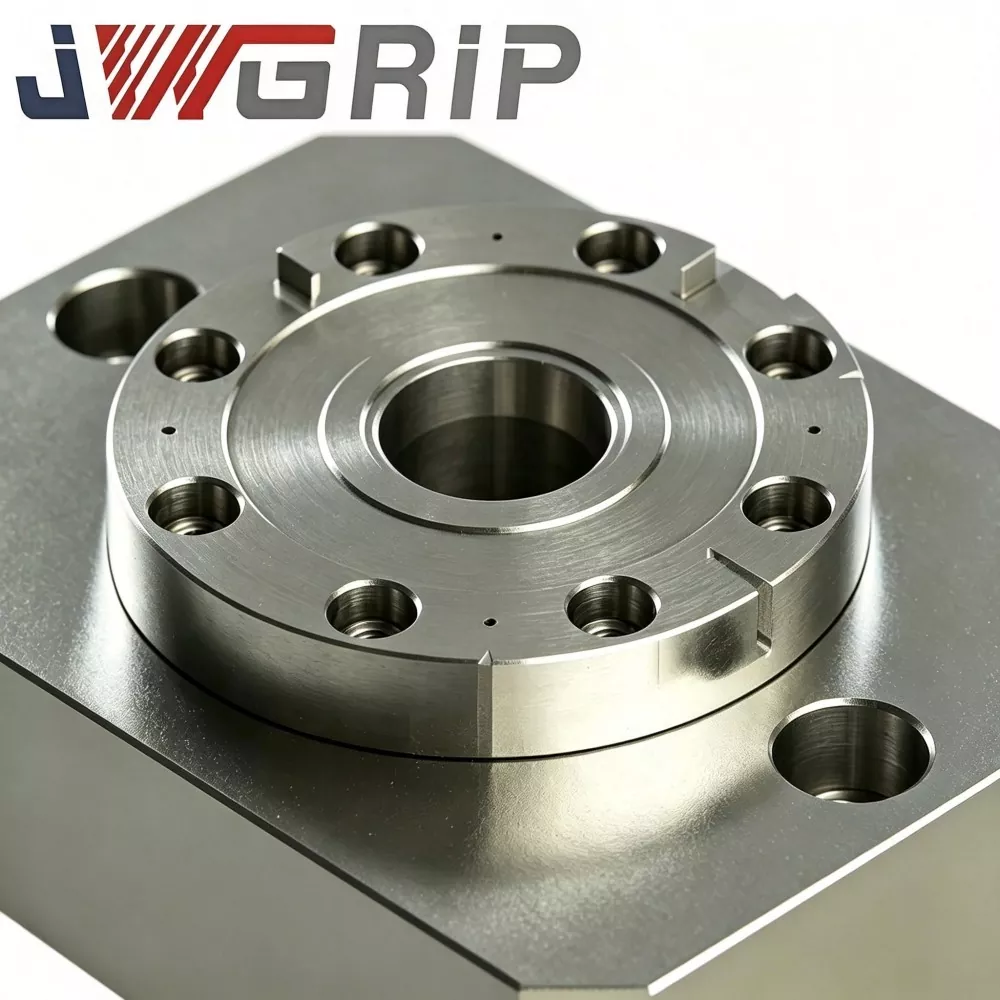
· Chuck substrate adopts quenched-and-tempered alloy steel. Blanks go through rough-machining, semi-finishing plus dual stress-relieving aging cycles to eliminate residual stress generated during CNC processing. Under array-layout conditions, each chuck bears alternating cutting-impact force; unreleased stress would trigger invisible micro-deformation and degrade repeat-locating accuracy over long runtime.
· Positioning bushings use high-hardness bearing steel. Inner bores receive quenching plus honing super-finishing to guarantee reliable repeat-locating performance for every individual chuck.
Critical note for array use: Individual-chuck qualified accuracy does not equal overall array-system accuracy. After mounting multiple chucks on the worktable, operators must perform manual dial-indicating and alignment to calibrate mutual positions among chucks. This is the fundamental distinction from monolithic factory-calibrated pallets.
Craft Advantages
1. Free layout without fixed-station-spacing restrictions Compared with integrated multi-station pre-made pallets, these independent modular chucks allow users to define chuck center-distance freely. It adapts to irregular non-standard fixture bases and solves the pain point of unchangeable preset hole positions on finished pallets.
2. Cost-effective for sampling, low-volume and sporadic mold-repair orders Zero-point quick-change function can be realized with only one or two chucks, without large-one-time investment on full-size multi-station pallets. For mold modification and prototype sampling with low workstation-utilization rate, upfront capital expenditure gets reduced.
3. Fit compact worktables with limited installation space Some compact 5-axis and small-size machining centers cannot accommodate large-size integrated zero-point pallets. Compact-form-factor single-center chucks can be scattered to make full use of limited T-slot table space.
4. Convenient phased capacity expansion At early project stage, deploy a small number of chucks for trial-run sampling. When order volume grows later, simply purchase extra identical chucks to build-up multi-chuck arrays. Existing units remain fully usable with zero previous-investment waste.
5. Support both manual operation and automation retrofits Operators can swap fixtures manually. Meanwhile pneumatic ports and signal interfaces connect to PLC control systems. After array arrangement, the whole fixture system can work with industrial robots for automatic loading-unloading.
6. Compatible with standard D20 zero-point pull-stud across our fixture series Existing fixture bases can be reused after retrofitting D20 pull-studs, protecting customers’ prior fixture-asset investment.
Application Stories
JWGRIP Single Center Zero Point Positioning Chuck is widely deployed in mold-making shops and low-volume precision-component factories. Two field cases show its strengths as well as inherent limitations of modular-type solutions.
Case 1: Medium-Sized Mold-Making Factory
This customer mainly receives mold-repair and new-product-sampling orders instead of mass repetitive production.
· Initial investment: 4 sets of JWGRIP single-center zero-point chucks. Most of the time only 1-2 chucks run for mold-insert sampling and repair work. When larger fixture bases are required, four chucks are assembled into array layout.
· Outcome: Compared with purchasing a complete four-center pallet, upfront procurement cost decreases, and equipment-utilization rate improves for small-batch orders.
· Limitation: Every time fixture-base specifications change under array mode, re-calibration for relative chuck positions is required, consuming extra setup labor-hours.
Case 2: Precision-Component Subcontractor
The factory owns multiple compact 5-axis machining centers whose table space cannot fit standard multi-station zero-point pallets.
· Two JWGRIP single-center chucks are installed on each 5-axis machine. Custom-adjusted chuck spacing matches their self-owned fixture bases.
· Zero-point quick-change is realized on compact 5-axis equipment, breaking the bottleneck that pre-fabricated integrated pallets cannot be installed on small-size worktables.
Complete Production Workflow
1. Alloy-steel blank forging & tempering
2. Rough-machining
3. First stress-relief aging
4. Semi-finishing
5. Secondary stress-relief aging
6. Super-precision grinding for datum faces
7. Bushing press-fitting
8. Pneumatic-circuit and signal-component assembly
9. Air-tightness pressure-holding test
10. Independent single-unit accuracy inspection
11. Anti-rust protection treatment
12. Export-grade packing
Inspection Checklist
· Independent repeat-positioning-accuracy test for each single chuck
· 5-minute air-holding air-tightness test; maximum allowable pressure drop ≤0.02 MPa
· Cyclic locking-unlocking functional test
· Signal-output-logic functional verification
Assessment Tips
1. Prioritize evaluating your production pattern Choose JWGRIP single-center chucks for sampling-repair jobs, non-standard irregular fixture bases or machines with limited table space. For long-term fixed 2-4-station mass-volume production, monolithic integrated pallets are more recommended to cut down on-site calibration workload.
2. If multi-chuck array layout is planned, check machine-tool T-slot layout to guarantee flange-mounting clearance. Reserve sufficient labor-hours for on-machine indicating-and-calibration.
3. Maintain stable workshop air-source pressure within 0.5-0.7 MPa. Reserve PLC NPN signal IO points for automation-oriented projects.
4. Confirm on-site zero-point pull-stud specifications. Standard version fits D20 pull-studs. Custom inner-bushing assemblies are available upon request for alternative pull-stud sizes.
Operation Practices
· Fasten single-center chucks to worktables with flange bolts. Tighten strictly according to torque-value requirements. Insufficient torque causes chuck-body micro-movement during cutting and damages locating accuracy; over-torque will deform chuck substrate.
· Install oil-water filter at air-inlet front-end to block moisture and impurities, preventing bushing rusting and abrasion leading to accuracy drift.
· Spray dry-lubricant aerosol onto chuck bushings after every cumulative 80-100 working hours. Liquid engine oil is strictly prohibited, because oil traps metallic chips and triggers bushing-jamming failures.
· Blow-clean chuck locating-datum face with compressed-air at every shift-change.
· Under array-layout configuration: whenever chuck layout is modified, operators must re-indicate and re-calibrate mutual chuck positions; old coordinate parameters cannot be reused directly.
· Avoid heavy impact striking chuck locating face. Collision will permanently destroy unit accuracy.
Packaging & Shipment
· Packaging: Each individual chuck adopts independent export shock-proof carton with foam inner protection. Bulk multi-chuck orders adopt solid-wood export-grade cases.
· Standard lead-time: 13-19 working days. Selected standard SKUs are kept in stock for expedited shipment.
After-Sales Support
· Warranty: 12-month full-unit warranty covers manufacturing defects for individual chuck units. Array-assembly mutual-position accuracy after customer on-site installation is excluded from warranty, which belongs to customer-side commissioning work.
· Technical documents: Online operation documents and drawings are supplied.
· Paid service: Remote technical support is available for bulk-volume orders.
· Custom modification: Flange-dimension adjustment, pull-stud-spec alteration can be realized.
· Sample evaluation: Single-chuck evaluation sample can be arranged; buyer shall undertake sample freight cost.
FAQ
Q1: Are mutual positions of multiple chucks in array layout pre-calibrated at factory?
A: No. Factory-side inspection only guarantees accuracy for each standalone chuck. After array-mounting on machine-tool worktable, center-distance and parallelism among chucks require manual on-machine indicating-and-calibration by customers. This is an inherent feature of modular-type units.
Q2: Under which scenarios should I avoid selecting this single-center zero-point positioning chuck?
A: For mass-volume production with permanently-fixed station layout, monolithic integrated pallets are preferred to eliminate repeated calibration work. It is also not advised for large-scale array deployment if your workshop lacks technicians familiar with dial-indicating and alignment work.
Q3: Can these chucks mix-and-match with my existing zero-point pallets?
A: Fixture bases can be shared as long as pull-stud specification follows D20 standard. Even for mixed-setup layouts, on-machine calibration for relative positions is still mandatory.
Q4: Can JWGRIP Single Center Zero Point Positioning Chuck work on 5-axis machines?
A: Yes. Its compact footprint suits compact-size 5-axis equipment. Assess collision risks among fixture, chuck and spindle-tilt motion during selection phase.
Procurement Decision Insight
The core strength of JWGRIP Single-Center Zero-Point Positioning Chuck lies in modular flexibility. It trades partial on-site commissioning labor-hours for freely-configurable station spacing, wide machine compatibility and phased-expandable investment.
This modular unit is not universally “superior” compared with integrated monolithic pallets. It targets specific production modes: prototype sampling & mold repair, irregular non-standard fixtures, small-table-size CNC machines, and factories planning step-by-step zero-point-system roll-out.
Hot Tags: Single Center Zero Point Positioning Chuck
Send Inquiry
Contact Info
-
Address
No. 44, Daning Entrepreneurship Road, Humen Town, Dongguan City, Guangdong Province, China
-
Tel
-
Email
Welcome to send inquiry to JWGRIP. Our professional technical and sales team will provide free fixture selection, customized solution design and accurate quotation.