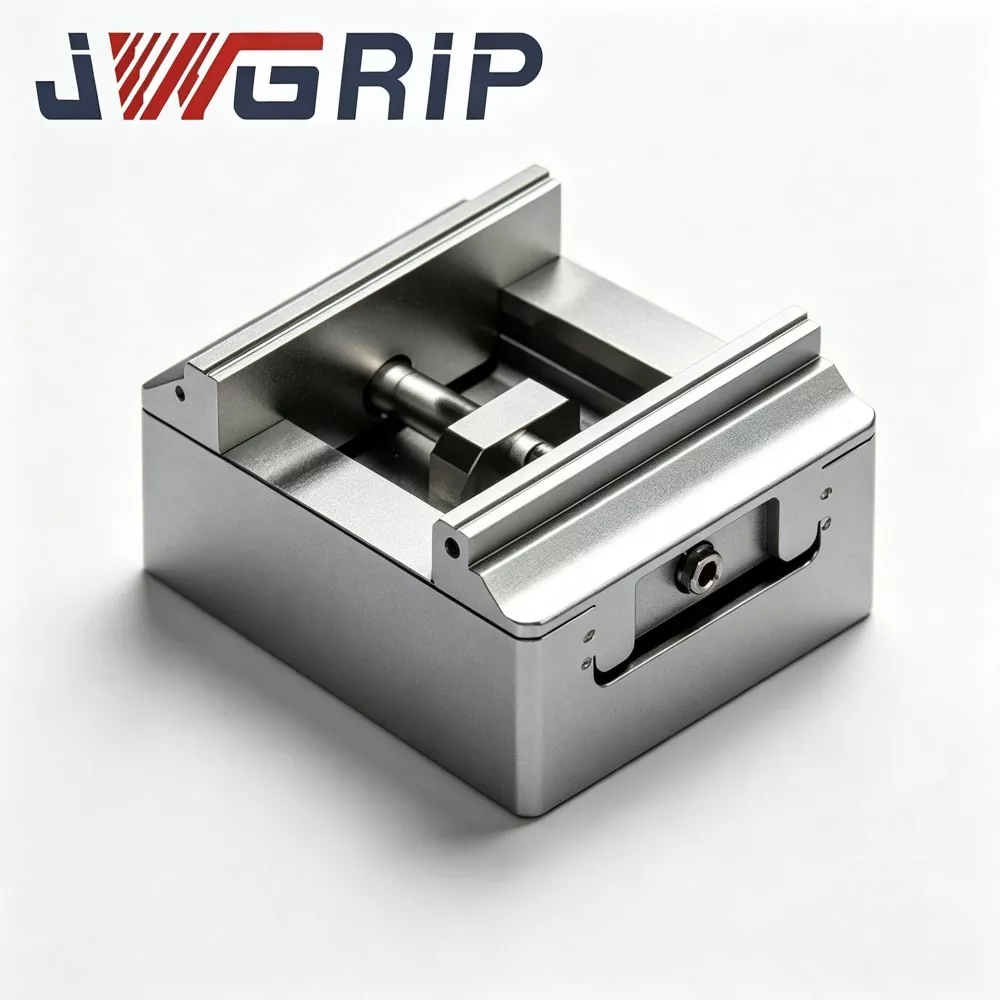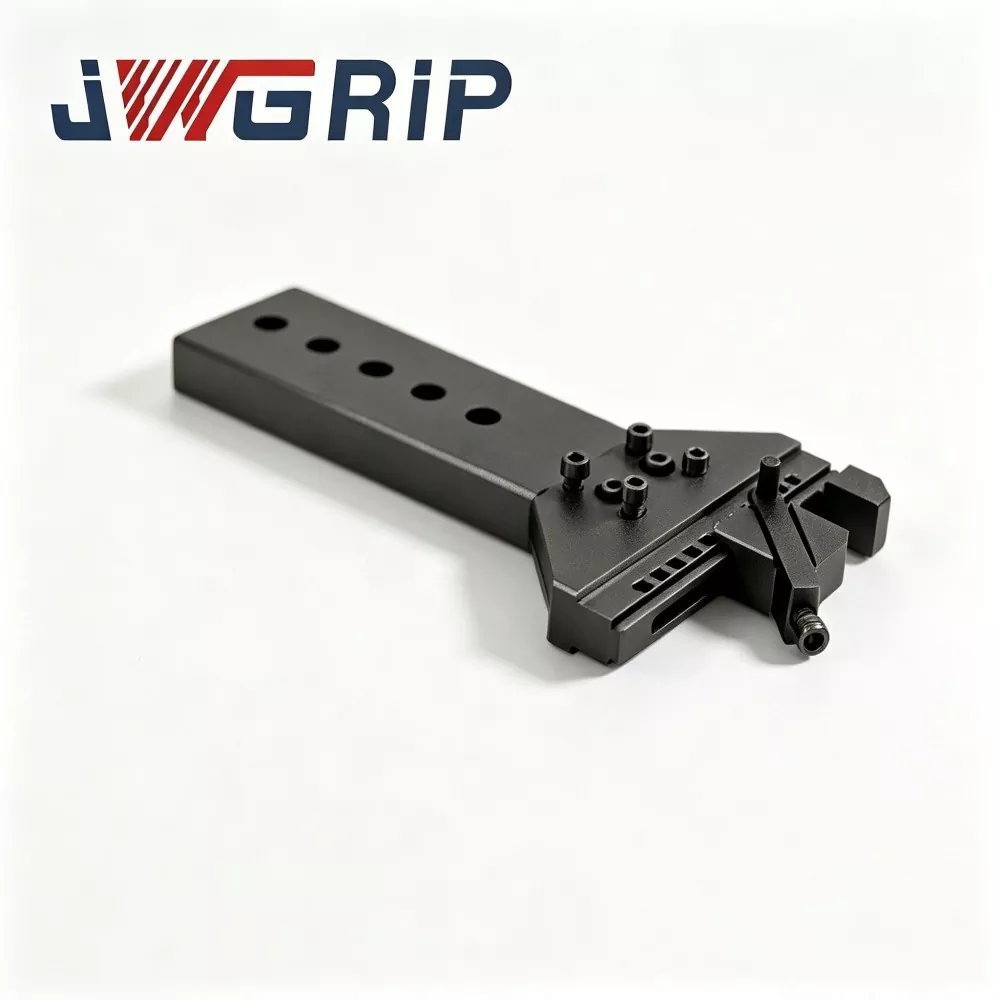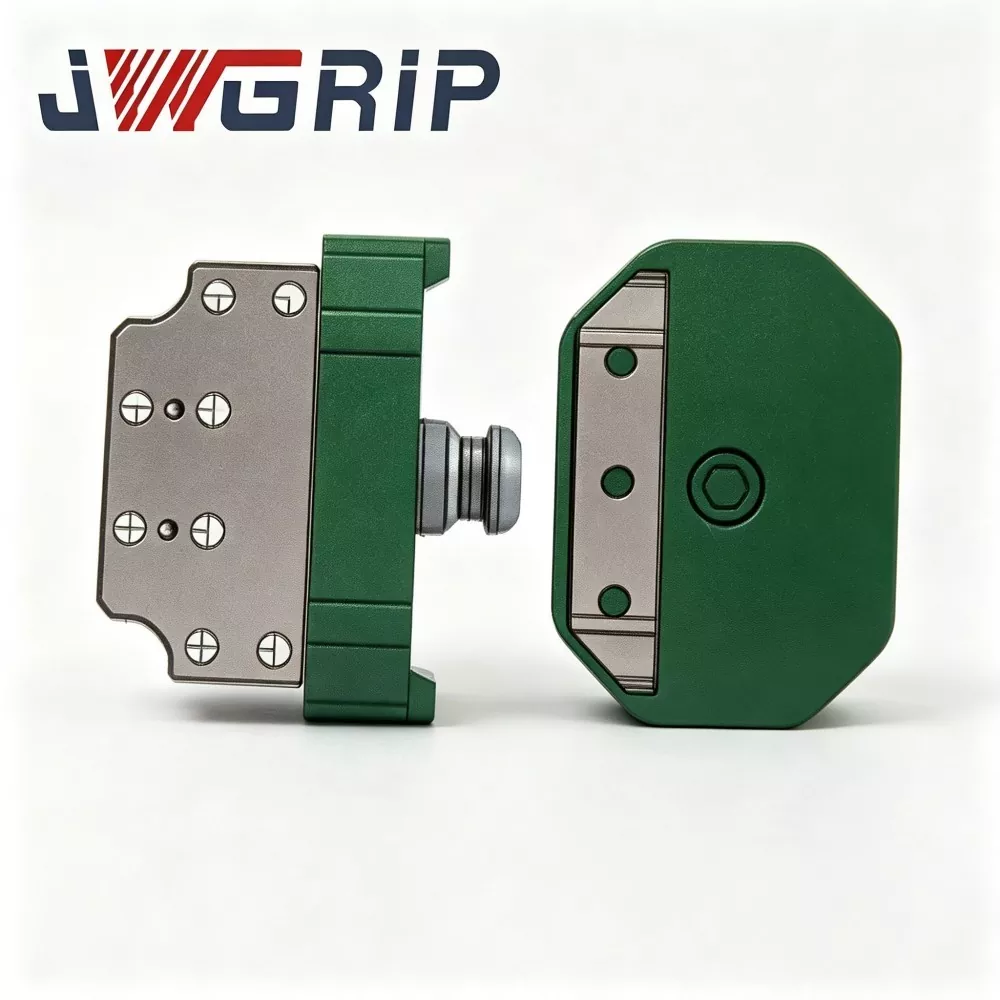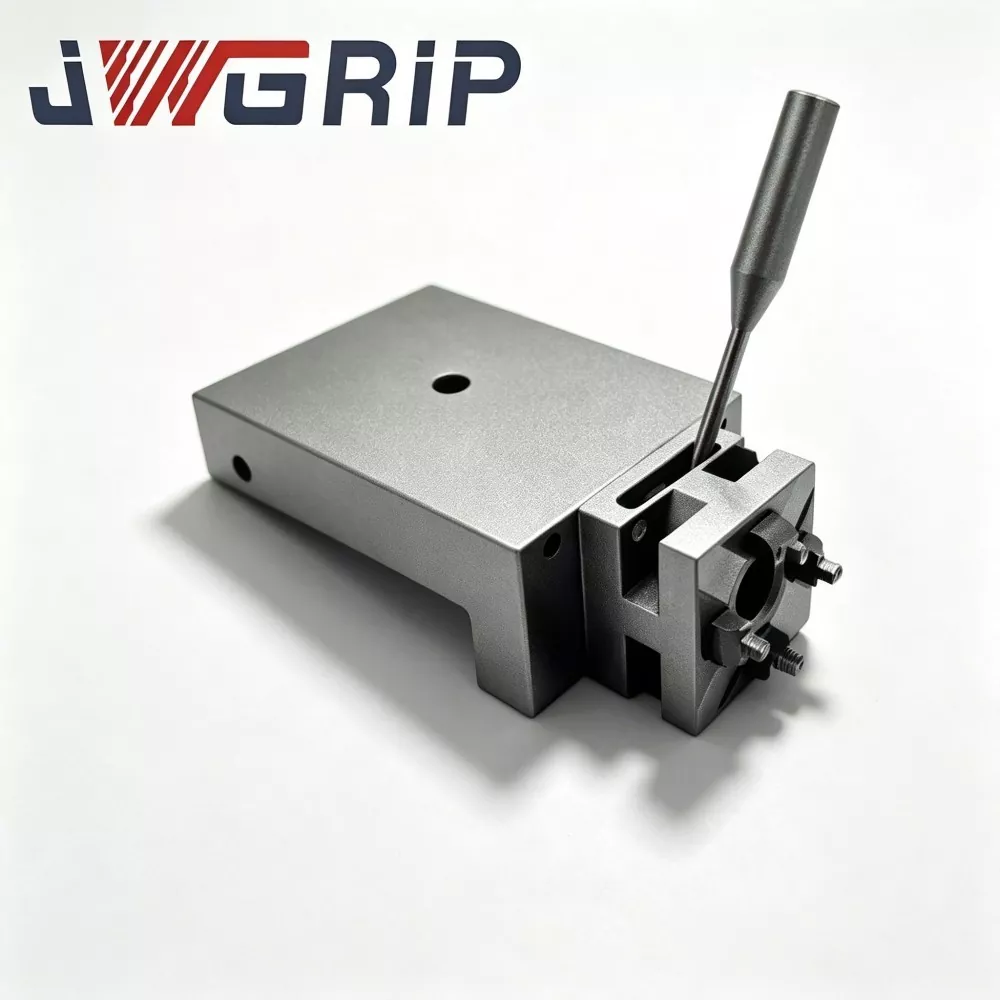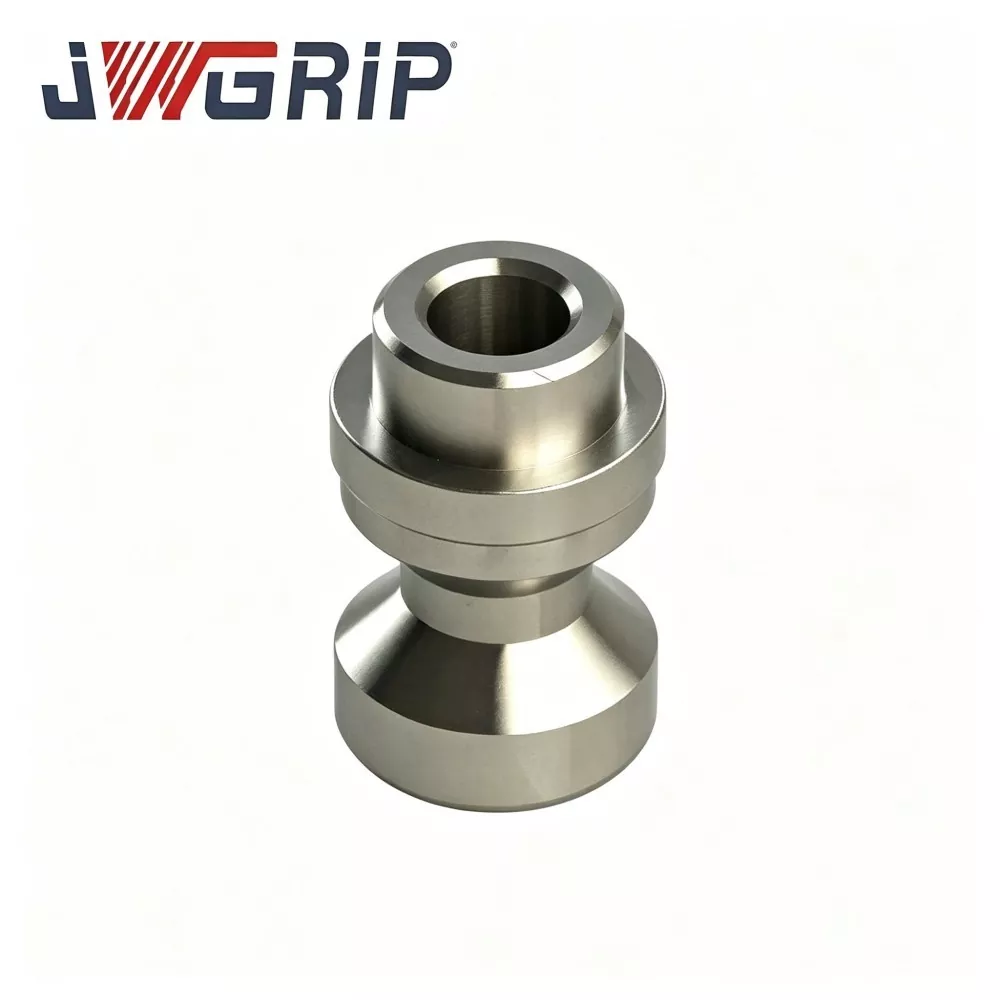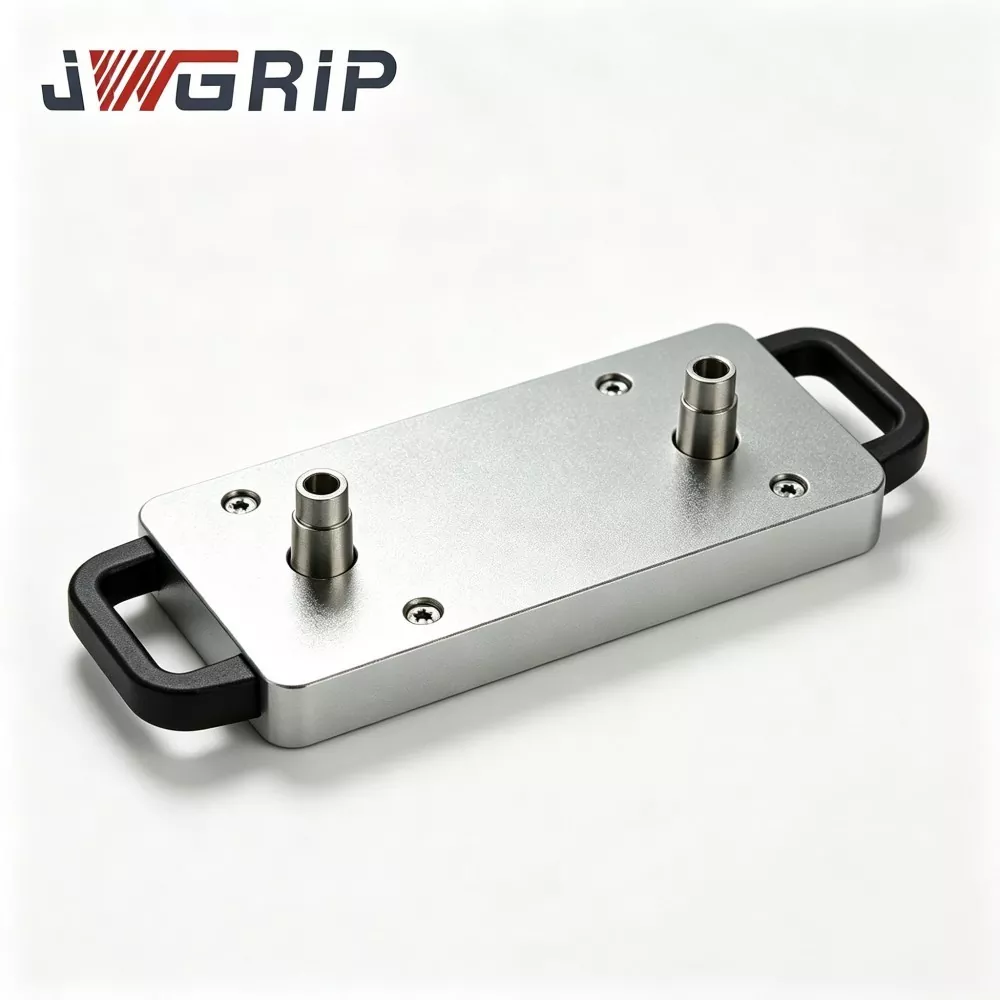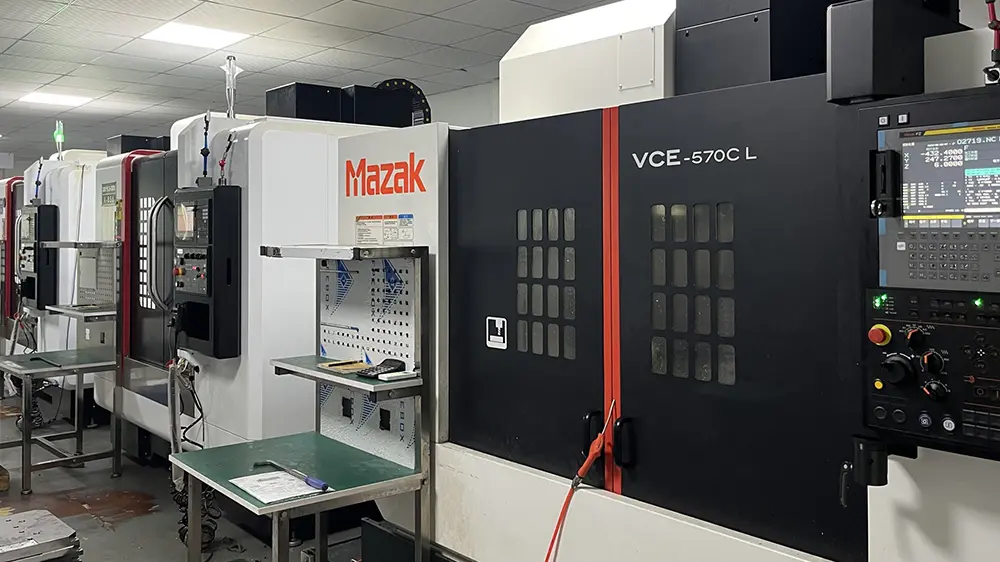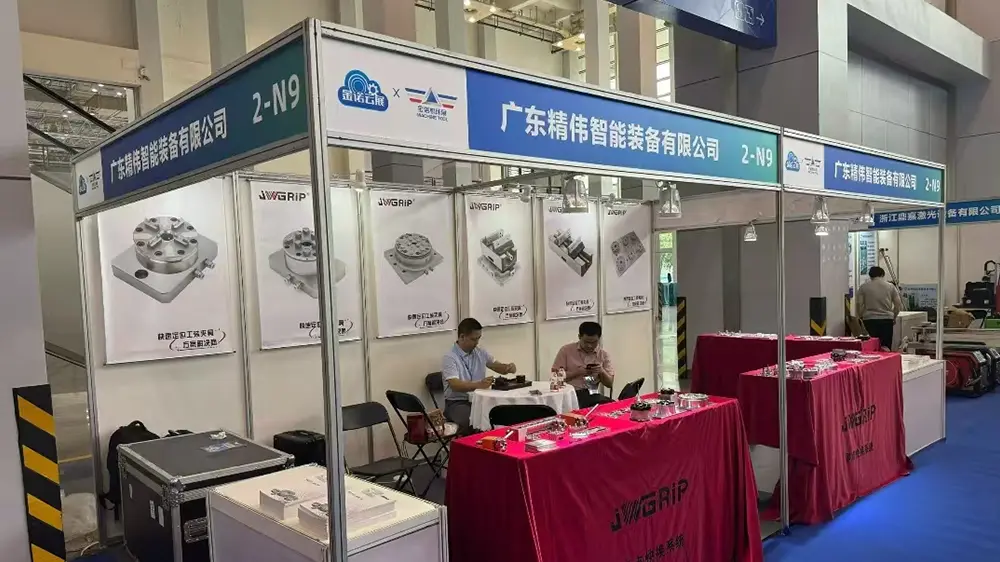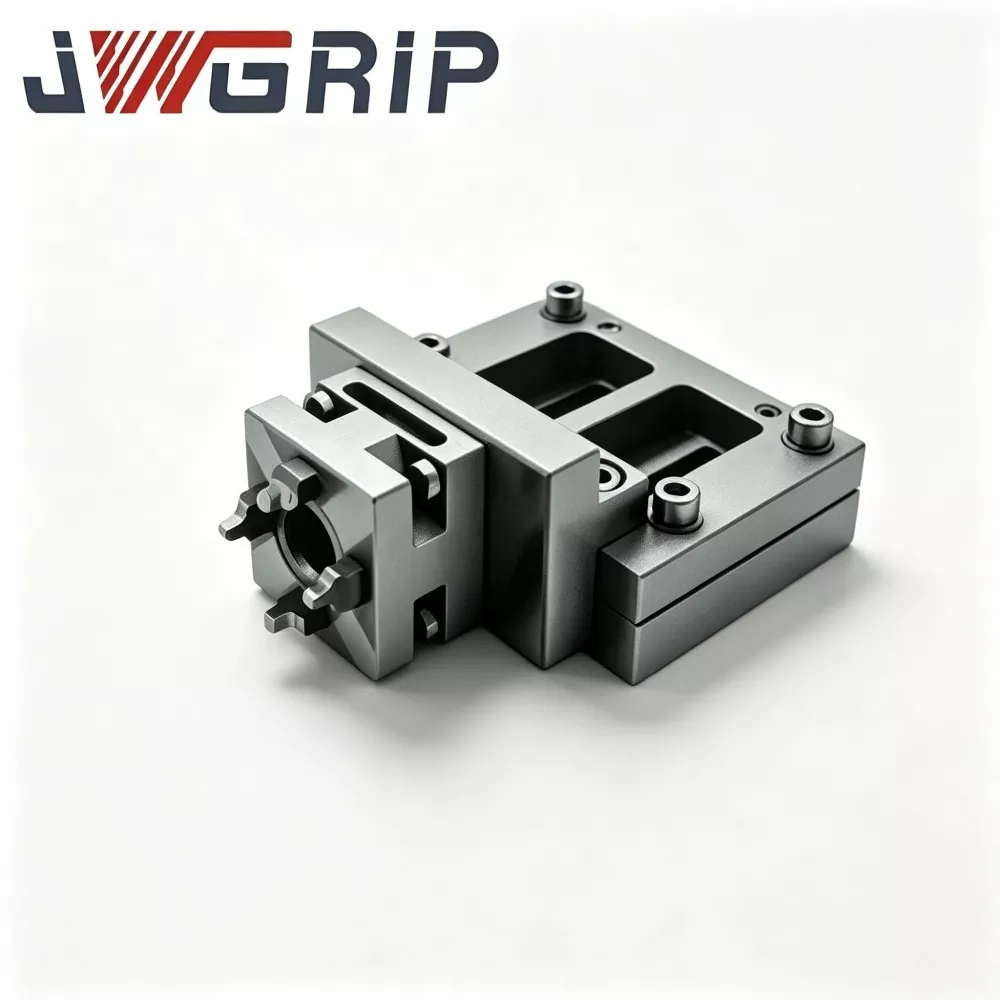

JWGRIP is a China manufacturer and supplier of Wire EDM Chuck for Precision Workholding, providing precision workholding solutions for wire EDM machining, mold production, tooling, gauges, and other demanding applications. Designed for stable positioning and efficient fixture changes, the solution helps machining workshops improve setup consistency while supporting repeatable precision in demanding production environments.
In modern wire EDM production, workholding accuracy directly affects cutting consistency, setup efficiency, and overall machine utilization. Conventional fixtures may require repeated removal, manual alignment, and recalibration whenever a new job enters production. A quick-change EDM workholding solution can address these limitations by separating the fixed main chuck from interchangeable pre-calibrated sub-jigs. This approach allows the machine-side datum to remain established while different workpieces can be changed more efficiently. A precision Wire EDM Chuck for Precision Workholding can incorporate a stress-relieved alloy-steel body, hardened locating interfaces, corrosion-resistant treatment, and controlled positioning geometry for demanding submerged EDM environments. This article explains how wire EDM chucks work, what design factors influence performance, how quick-change architecture can improve workflow efficiency, and what buyers should consider when selecting a precision workholding solution.
Table of Contents
- Why Is Precision Workholding Important in Wire EDM?
- What Problems Can Traditional Wire EDM Fixtures Create?
- How Does a Quick-Change EDM Chuck Work?
- What Features Should a Precision Wire EDM Chuck Provide?
- Wire EDM Chuck Selection Comparison
- Where Can Wire EDM Workholding Be Applied?
- How Can Operators Maintain Positioning Accuracy?
- How Is a Precision EDM Chuck Manufactured?
- Frequently Asked Questions
- How Can JWGRIP Support Your Wire EDM Workholding Needs?
Why Is Precision Workholding Important in Wire EDM?
Wire EDM removes material through controlled electrical discharge rather than conventional mechanical cutting. Because the process depends on accurately positioning the workpiece relative to the wire path, the fixture must establish a stable and repeatable reference.
A suitable workholding system should hold the workpiece securely while minimizing positioning variation during setup and production. This becomes especially important when a workshop processes multiple mold inserts, precision components, gauge parts, or tooling blanks in relatively small batches.
For high-mix production, workholding efficiency is not limited to clamping force. The practical objective is to create a repeatable relationship between the machine table, chuck, sub-jig, and workpiece. When this relationship is preserved between jobs, operators can spend less time rebuilding references and more time performing productive cutting operations.
- Maintains a stable workpiece reference.
- Supports repeatable fixture positioning.
- Helps reduce unnecessary setup operations.
- Supports efficient processing of different workpiece geometries.
- Contributes to consistent wire EDM production.
What Problems Can Traditional Wire EDM Fixtures Create?
Traditional fixed fixtures can be effective for stable production environments, but they may become less efficient when production schedules change frequently. A job shop receiving different customer orders can encounter several recurring workholding challenges.
- Repeated fixture removal: The fixture may need to be dismantled and reinstalled for different workpiece configurations.
- Manual realignment: Operators may need to use indicators or probing procedures to establish a new reference.
- Operator-dependent variation: Different setup methods can introduce positioning differences between operators or production shifts.
- Longer changeover time: Extensive setup activities reduce the proportion of machine time available for actual wire cutting.
- Limited production flexibility: A fixture designed around one job may not efficiently support another workpiece.
A quick-change workholding architecture addresses these challenges by keeping the primary chuck mounted on the wire EDM table while allowing prepared sub-jigs to be exchanged according to production requirements.
How Does a Quick-Change EDM Chuck Work?
The basic concept separates the permanent machine-side reference from the interchangeable workpiece-side fixture. The main chuck remains mounted on the wire EDM table, while individual sub-jigs can be prepared and calibrated away from the machine.
1. Fixed Main Chuck
The main chuck establishes the primary mounting relationship with the machine table. Keeping the main chuck stationary can help preserve the established machine datum and reduce unnecessary reinstallation.
2. Pre-Calibrated Sub-Jigs
Different sub-jigs can be prepared for different workpiece families. Operators can complete initial referencing and inspection away from the machine, allowing fixture preparation to take place independently of machine cutting time.
3. Quick-Swap Positioning Interface
When a new production order is scheduled, the corresponding sub-jig is installed into the main chuck. A controlled locating interface transfers the established positioning relationship to the new fixture.
4. Verification Before Cutting
Quick-change workholding can reduce repeated alignment operations, but it does not eliminate the need for process verification. Operators should still perform appropriate probing or reference checks, particularly when fixtures have experienced wear, contamination, impact, or prolonged use.
What Features Should a Precision Wire EDM Chuck Provide?
Choosing a precision chuck requires more than checking nominal clamping capacity. Several design characteristics are particularly important for wire EDM applications.
-
Stable Datum Geometry
A rigid and carefully finished main body helps maintain the relationship between the chuck and machine table.
-
Repeatable Positioning
The locating interface should provide consistent seating when sub-jigs are exchanged.
-
Corrosion Resistance
EDM environments can expose workholding components to dielectric fluid, moisture, and fine machining sludge, making corrosion resistance an important consideration.
-
Wear-Resistant Locating Surfaces
Hardened locating areas can help withstand repeated fixture changes and maintain stable contact conditions.
-
Flexible Jaw Capacity
The available clamping range should correspond to the dimensions and geometry of the intended workpieces.
-
OEM Customization
Non-standard mounting footprints, locating layouts, and jaw strokes may be required for specialized production cells.
-
Inspection and Traceability
Serial-number identification and inspection records can support fixture management, maintenance, and quality control.
For demanding applications, these factors work together. A strong clamping mechanism alone cannot compensate for poor locating geometry, contamination, or inconsistent fixture preparation.
Wire EDM Chuck Selection Comparison
The following comparison provides a practical framework for evaluating different workholding approaches according to production requirements.
| Selection Factor | Traditional Fixed Fixture | Quick-Change EDM Chuck | Buyer Consideration |
|---|---|---|---|
| Job Changeover | Usually requires more manual setup | Designed for faster fixture exchange | Important for high-mix production |
| Machine Datum | May require re-establishment | Main chuck can remain fixed | Helps preserve established references |
| Sub-Jig Preparation | Usually limited | Can be prepared and calibrated separately | Useful for multiple workpiece families |
| EDM Environment | Depends on fixture construction | Can incorporate corrosion-resistant treatment | Check dielectric-fluid compatibility |
| Customization | Often fixture-specific | Can support drawing-based modifications | Confirm mounting and locating dimensions |
| Quality Traceability | Depends on supplier | Can use serial numbers and inspection records | Useful for repeat production |
Where Can Wire EDM Workholding Be Applied?
A precision workholding system is particularly useful when production involves frequent workpiece changes and tight positioning requirements. Typical applications include:
- Mold and die insert machining
- Precision gauge component production
- Tooling and tool-blank processing
- Small-batch wire EDM machining
- High-mix subcontract mold production
- Prototype and engineering-component production
- Flexible wire EDM production cells
For manufacturers serving multiple customers, the ability to prepare dedicated sub-jigs for different component families can also simplify fixture organization. Instead of rebuilding the complete setup for every order, a workshop can establish a standardized workholding workflow around a permanent machine-side interface.
JWGRIP also provides Wire EDM Chucks and related Wire EDM Vises for customers developing different workholding configurations.
How Can Operators Maintain Positioning Accuracy?
Even a precision workholding system requires disciplined maintenance. The locating interface should be treated as a precision reference rather than an ordinary clamping surface.
- Clean dielectric-fluid residue and machining sludge from locating areas before installation.
- Inspect locating surfaces for scratches, dents, corrosion, or abnormal wear.
- Keep each sub-jig associated with its own calibration information and identification number.
- Do not return a damaged or heavily worn sub-jig to production without inspection and recalibration.
- Check locking engagement before starting the cutting cycle.
- After a significant collision or impact, perform a complete repeat-positioning inspection.
- Maintain appropriate rust protection during storage and transportation.
These practices are particularly important because contamination or mechanical damage can affect positioning repeatability even when the chuck remains structurally intact.
How Is a Precision EDM Chuck Manufactured?
Precision workholding performance depends heavily on manufacturing control. A typical production route for a high-precision EDM chuck may include material inspection, CNC machining, stress-relief treatment, precision grinding, locating-interface treatment, dimensional inspection, and repeated swap testing.
JWGRIP's manufacturing process can include raw-material inspection, CNC rough machining, stress-relief thermal-aging stages, semi-finish machining, locating-pin and jaw-mechanism processing, surface hardening, multi-face precision grinding, CMM inspection, repeated sub-jig swap simulation, serial-number marking, anti-rust passivation, and final dimensional verification.
For quality-conscious buyers, inspection documentation is another important consideration. JWGRIP operates under an ISO 9001 quality-management system and provides inspection documentation for applicable products. OEM orders can also include additional material or testing documentation according to project requirements.
For workshops requiring a non-standard configuration, buyers can provide drawings covering the mounting footprint, locating layout, jaw stroke, and relevant tolerance requirements. This allows the supplier to evaluate manufacturability before production.
Frequently Asked Questions
Does a quick-change EDM chuck eliminate all probing after sub-jig replacement?
No. A pre-calibrated sub-jig can reduce repeated manual alignment work by carrying its established coordinate information, but verification remains necessary. Wear, contamination, deformation, or incorrect fixture handling can affect positioning accuracy.
Can a workshop make its own compatible sub-jigs?
Yes, provided the sub-jigs follow the required locating-interface dimensions and tolerances. Each self-made sub-jig should be independently calibrated, inspected, and properly identified before being added to the production fixture pool.
Can JWGRIP customize the chuck for a special machine or workpiece?
Yes. JWGRIP supports drawing-based OEM modifications involving mounting footprints, locating-pin layouts, jaw working strokes, and other application-specific requirements. Complete technical drawings and tolerance information should be provided for engineering evaluation.
What should be checked if positioning repeatability becomes unstable?
Operators should first inspect the locating seat, sub-jig locating surfaces, locking mechanism, and fixture calibration records. Sludge accumulation, scratches, wear, insufficient locking engagement, or incorrect calibration data can contribute to positioning problems.
How should the chuck be protected during long-term storage?
The chuck should be thoroughly cleaned and dried before applying suitable anti-rust protection. Precision locating surfaces should be protected from impact, moisture, contamination, and unnecessary contact during storage.
How Can JWGRIP Support Your Wire EDM Workholding Needs?
For high-mix wire EDM workshops, workholding is not simply a matter of holding a component securely. It is part of the complete production workflow. A quick-change architecture can help reduce repeated fixture teardown, preserve machine-side references, organize multiple sub-jigs, and create a more consistent setup process.
JWGRIP combines precision machining, controlled locating geometry, corrosion-resistant treatment, inspection procedures, and OEM customization to support different wire EDM production requirements. If you are evaluating a new Wire EDM Chuck for Precision Workholding for mold inserts, tooling, gauges, prototypes, or flexible subcontract production, view the Wire EDM Chuck product details and contact us with your machine interface, workpiece dimensions, mounting requirements, or technical drawings. JWGRIP can help you evaluate a suitable workholding configuration for your production workflow.