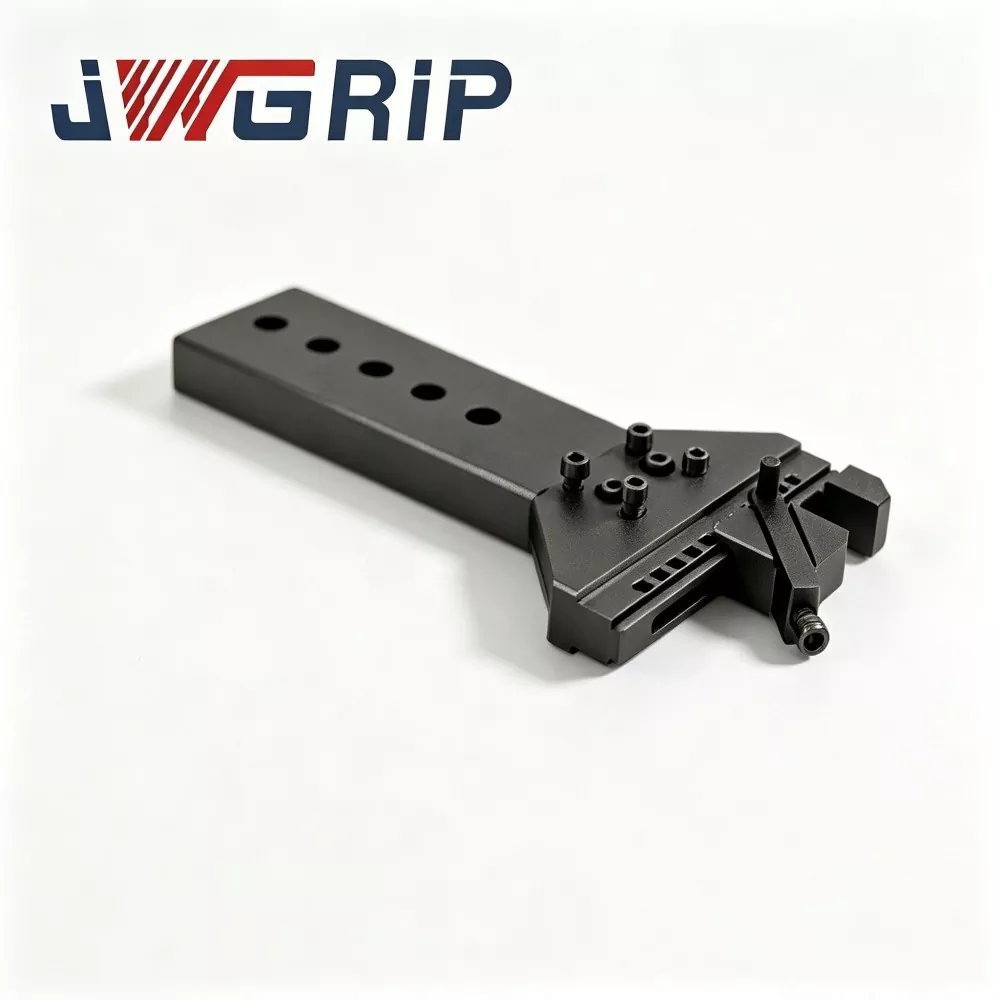
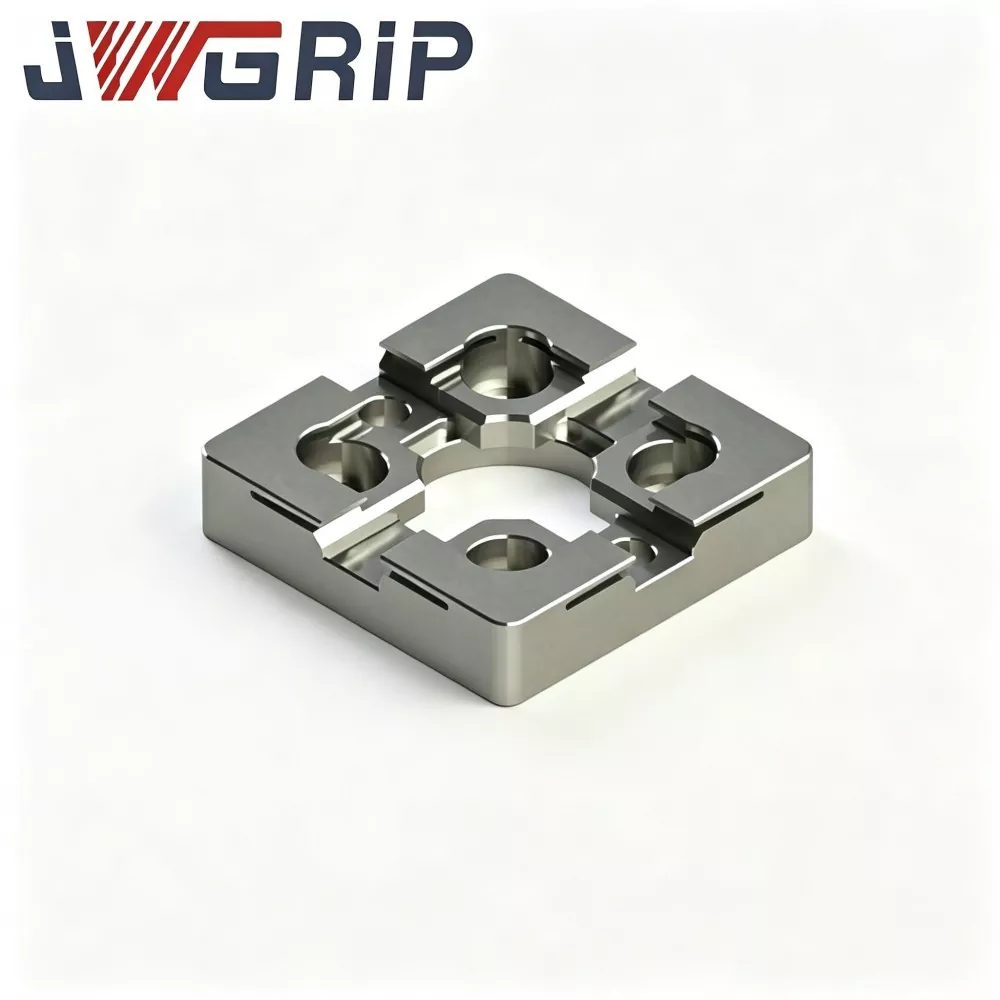
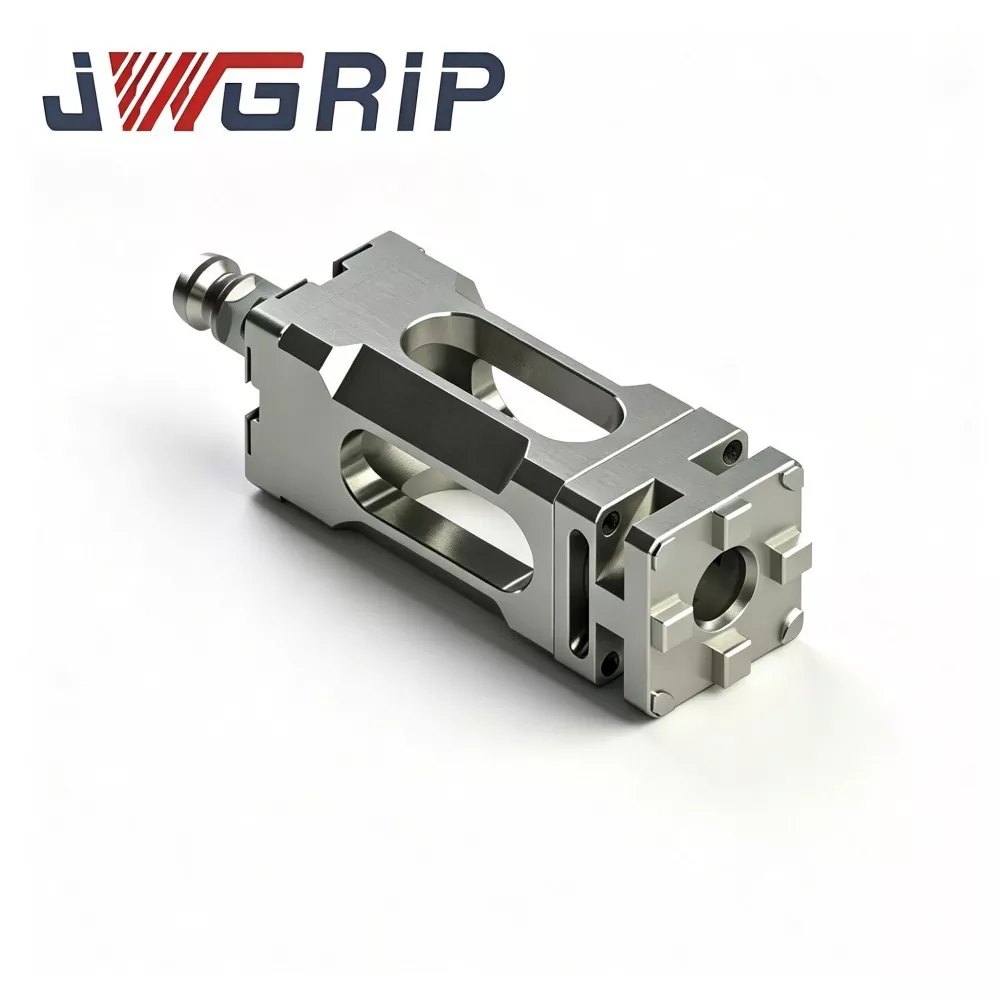
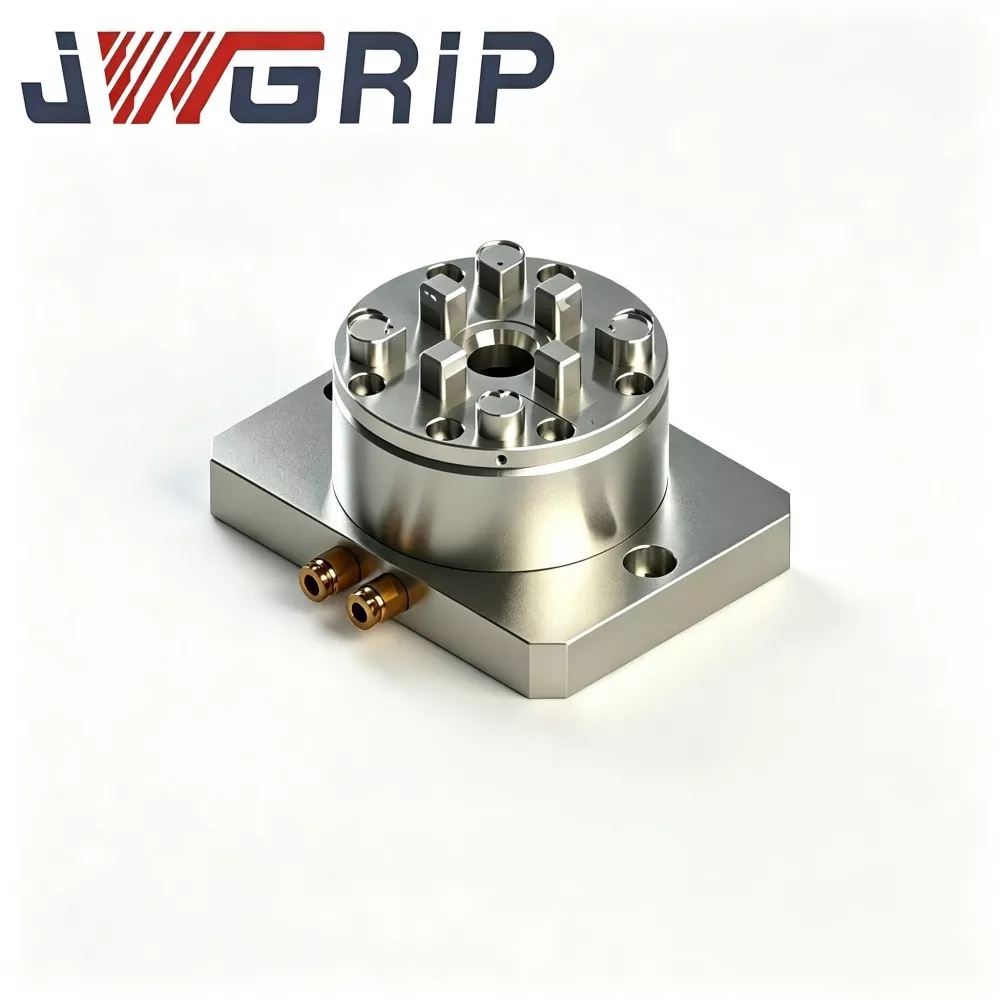
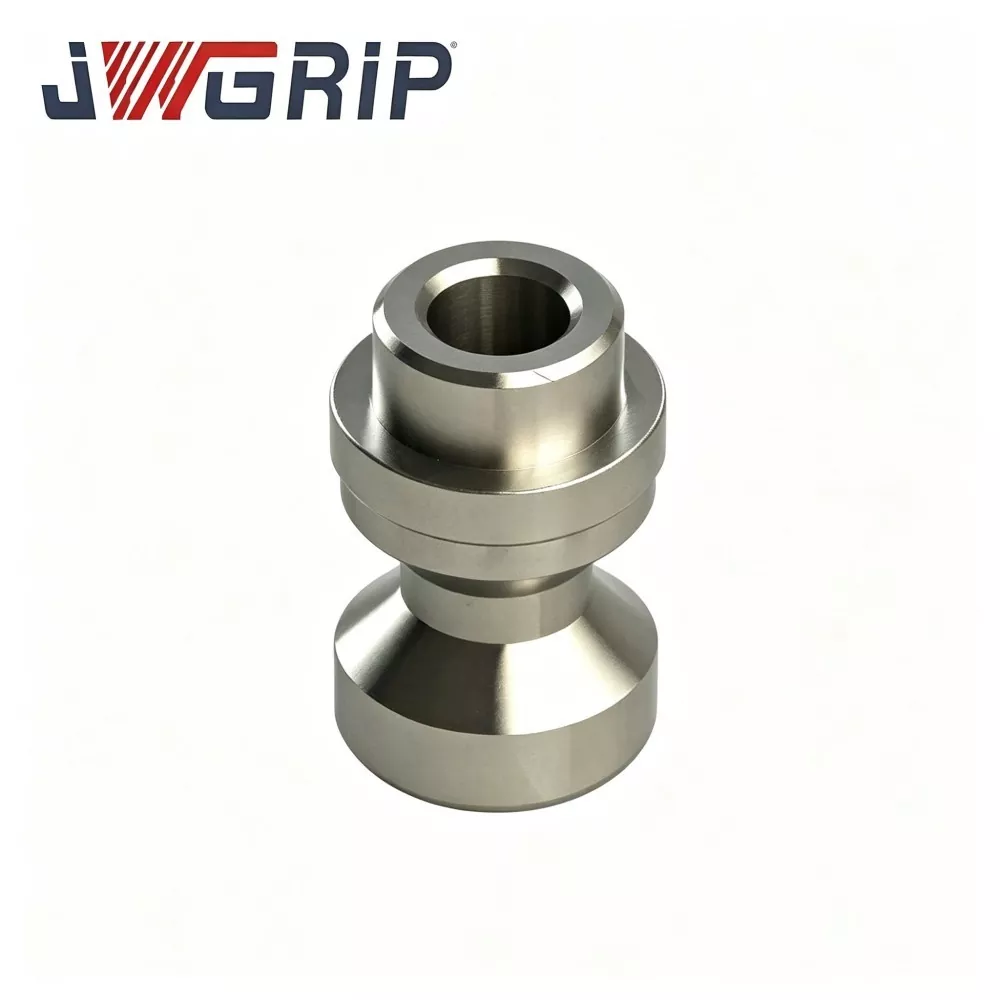
Precision D16 Zero Point Pull Stud for CNC Workholding
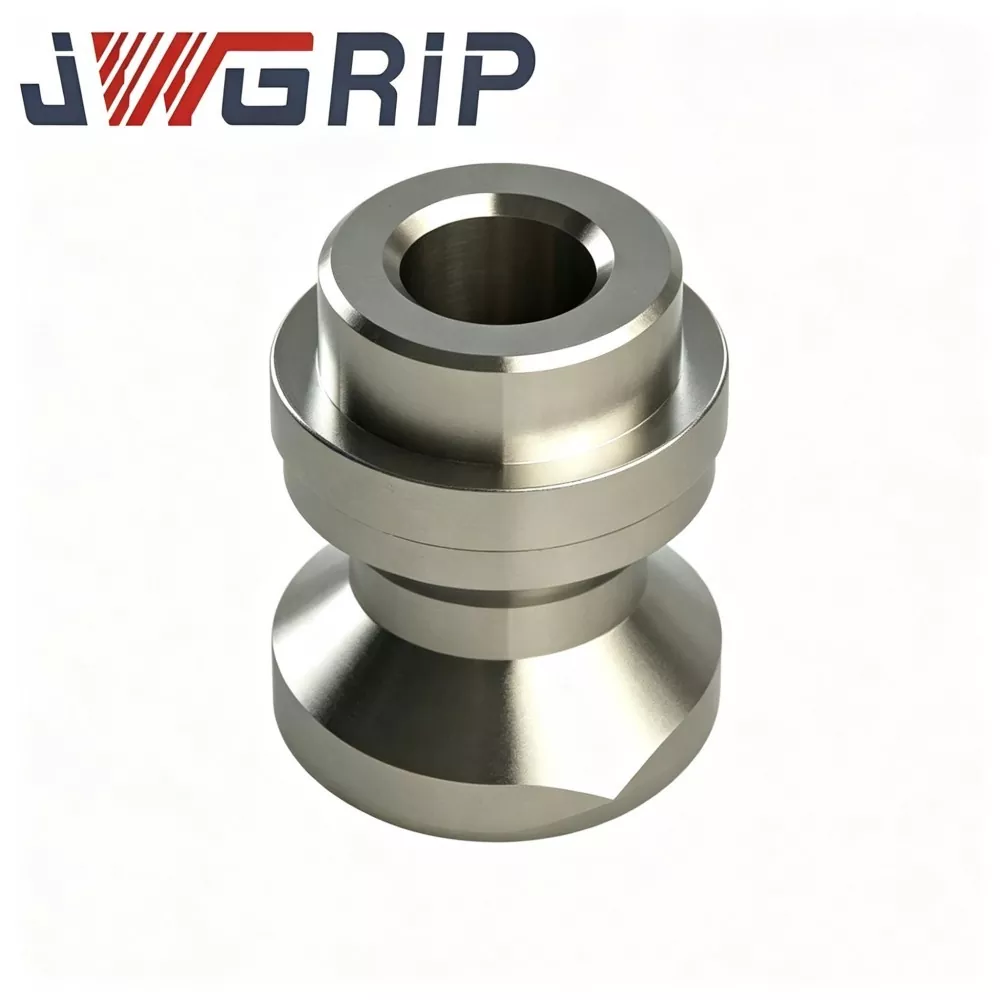
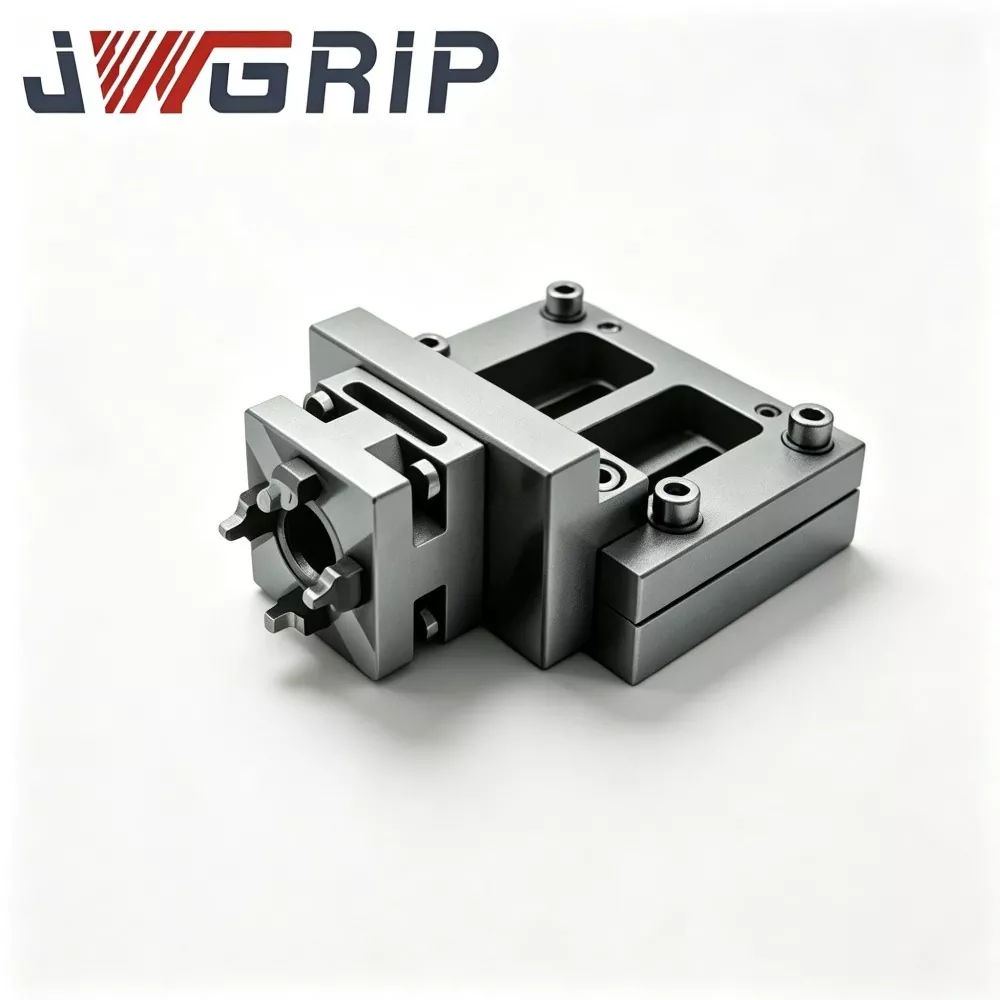
JWGRIP is the professional manufacturer and supplier of Precision D16 Zero Point Pull Stud for CNC Workholding in China, with standard specifications fully in Stock and accepting global Bulk Order for CNC machining factories, fixture integrators and tool room maintenance teams. It is a high-precision core positioning and locking component professionally matched for D16 series zero-point clamping systems in CNC workholding. Integrating the high-precision positioning benchmark and stable force transmission structure into a single unit, it undertakes core functions of fixture positioning, locking force transmission and repeated positioning benchmarking during high-speed machining.
Precision D16 Zero Point Pull Stud for CNC Workholding is manufactured from premium alloy steel raw materials, adopting standardized forging, multiple precision heat treatment cycles and ultra-precision grinding processes. Different from ordinary general-purpose pull studs, it optimizes the stress distribution of the spherical contact area, effectively reducing local contact pressure and avoiding early spalling, scratching and plastic deformation under long-term cyclic clamping loads. With stable geometric accuracy maintained after hundreds of thousands of clamping cycles, the durable pull stud fully complies with CE machinery safety standards.
Every batch undergoes strict incoming material inspection, forging flaw detection, hardness classification, precision dimension screening and finished product cycle sampling verification. It is widely used for new zero-point fixture assembly and replacement of worn and deformed pull studs for on-site fixture maintenance. Supporting urgent stock procurement and large-scale workshop renovation bulk orders, as well as OEM and personalized customized modification of thread specifications, shoulder height and spherical tolerance, it provides stable and high-precision zero-point positioning supporting solutions for global CNC precision machining enterprises.
Operational Workflow
The D16 Zero Point Pull Stud is the key force-transfer and positioning part of D16-series zero-point clamping system for CNC workholding. When the zero-point fixture station executes clamping action, the internal clamping mechanism locks onto the spherical pulling surface of D16 pull stud. Relying on spherical surface contact and shoulder positioning face, it completes dual positioning of radial and axial directions for fixtures and pallets, and transmits high locking pulling force for high-speed CNC cutting process.
Without qualified D16 Zero Point Pull Stud, D16 zero-point fixture system will suffer the following typical malfunctions in practical production:
1. Unstable fixture locking, fixture slight shift under cutting vibration
2. Repeat positioning accuracy drop caused by spherical surface scratch, spalling or plastic deformation
3. Abnormal clamping noise, uneven stress on zero-point station internal clamping jaws
4. Fixture cannot release smoothly due to stud shoulder deformation or thread damage
Core matching interfaces of D16 Zero Point Pull Stud:
1. Spherical pulling contact surface: Cooperates with internal clamping jaws of D16 zero-point fixture station, bears main locking pulling force.
2. Locating shoulder reference face: Axial positioning benchmark, fits closely on fixture bottom surface, defines fixture Z-axis position.
3. Mounting thread section: Screw into fixture or pallet threaded hole, realizes fixed installation of pull stud.
4. Anti-rotation flat / positioning feature (optional): Prevents pull stud rotation during clamping-releasing cycles.
Complete clamping-releasing working workflow:
1. Fasten D16 zero-point pull stud onto the bottom of fixture or pallet via mounting thread.
2. Operators or automation equipment place the fixture with pull stud onto D16 zero-point fixture station. Spherical surface of pull stud enters the station inner cavity to realize pre-positioning.
3. Zero-point station pneumatic/hydraulic clamping mechanism actuates; clamping jaws clamp the spherical contact surface of D16 pull stud, generating powerful pulling force. The locating shoulder face closely fits station reference plane to finish radial-axial combined positioning.
4. After positioning and locking are completed, CNC machine-tool starts high-speed cutting, and cutting reaction force is transmitted through pull stud to zero-point fixture station.
5. Upon completion of machining task, zero-point station executes unlocking action; clamping jaws open and release the spherical surface of D16 pull stud.
6. Fixture/pallet can be lifted off from zero-point station, completing one full machining cycle, ready for next-round fixture swap.
Common low-cost universal pull studs only realize basic pulling connection function, without targeted optimization on spherical surface stress distribution, heat-treatment hardness gradient and shoulder flatness for D16 zero-point system operating conditions. Under long-term cyclic clamping and cutting impact load, they are prone to spherical surface spalling, shoulder deformation and thread wear, leading to accuracy loss of whole zero-point fixture unit. Drawing on abundant practical experience of D16 zero-point fixture on-site maintenance projects, JWGRIP optimizes spherical contact stress, multi-cycle heat-treatment and ultra-precision grinding process specially for D16 Zero Point Pull Stud, which can sustain heavy cyclic pulling load in frequent fixture-swap production, and prevent early failure of zero-point positioning locking components.
Practical Pain-Point Analysis
1. Short service life of ordinary low-cost general pull studs Conventional general pull studs adopt simple heat-treatment process. Spherical contact surface is easy to produce spalling and scratch after thousands of clamping cycles. Frequent replacement is required, causing production downtime and increased fixture maintenance cost.
2. Repeat positioning accuracy drift caused by spherical surface & locating shoulder damage Under cutting vibration and cyclic pulling load, inferior pull studs suffer spherical plastic deformation or locating shoulder face dent. It directly brings positioning deviation of fixture, resulting in unstable workpiece dimension and increased reject rate.
3. Hidden risk of insufficient locking performance under heavy-cutting condition During heavy-feed milling of mold steel and aluminum alloy workpieces, pull stud bears huge reaction force. Non-optimized pull studs may produce slippage risk under high pulling force, threatening on-site machining safety.
4. Poor interchangeability of non-standard modified pull stud products Non-standard pull studs on the market have inconsistent spherical tolerance, shoulder height or thread specification. They cannot be interchangeably used for standard D16 zero-point fixture stations, requiring manual fitting modification during replacement and extending equipment downtime.
5. Unstable comprehensive performance without complete batch inspection Some suppliers skip flaw detection, hardness classification and cycle sampling verification. Individual defective studs flow into production site, triggering sudden fixture unlocking failure and unexpected production shutdown.
JWGRIP Precision D16 Zero Point Pull Stud solves above-mentioned production bottlenecks through five core design measures: premium alloy steel raw material, optimized spherical-surface stress-distribution design, multi-cycle precision heat-treatment, ultra-precision grinding for key functional surfaces, full-range batch inspection complying with CE machinery safety standards.
Module Composition
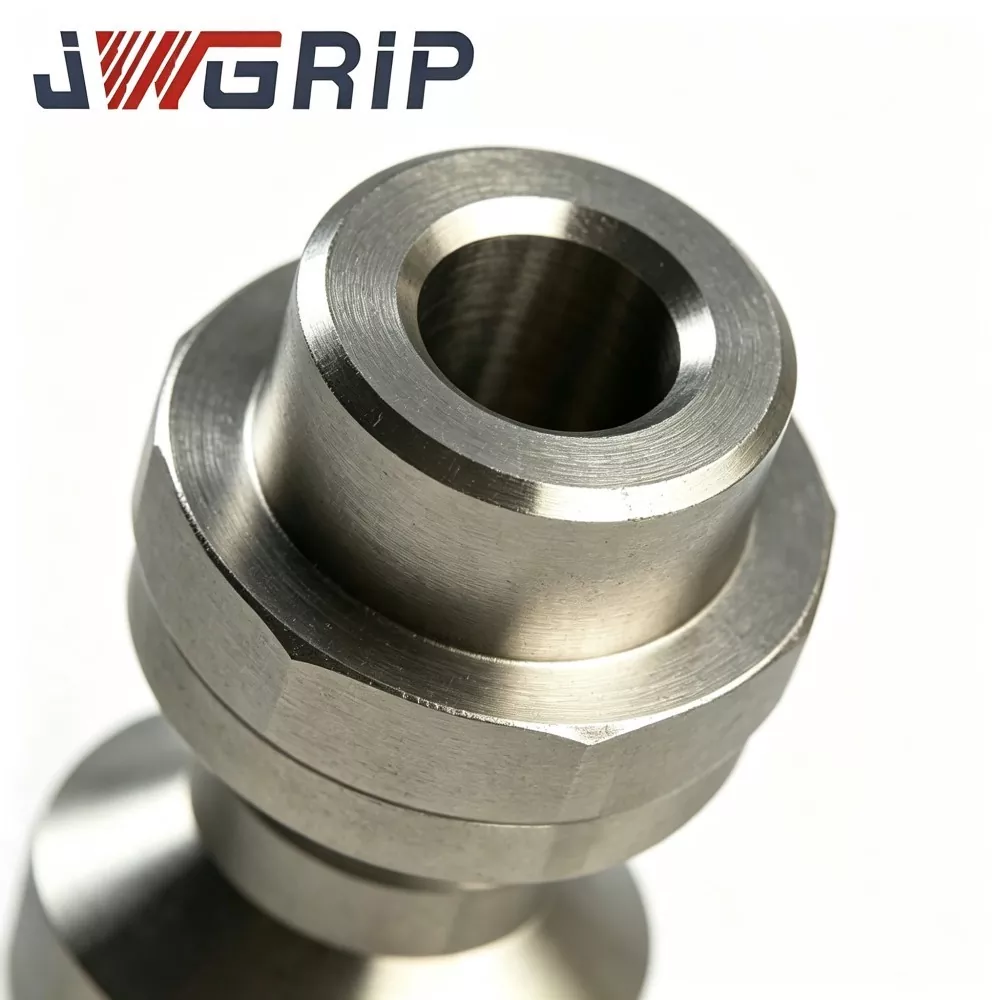
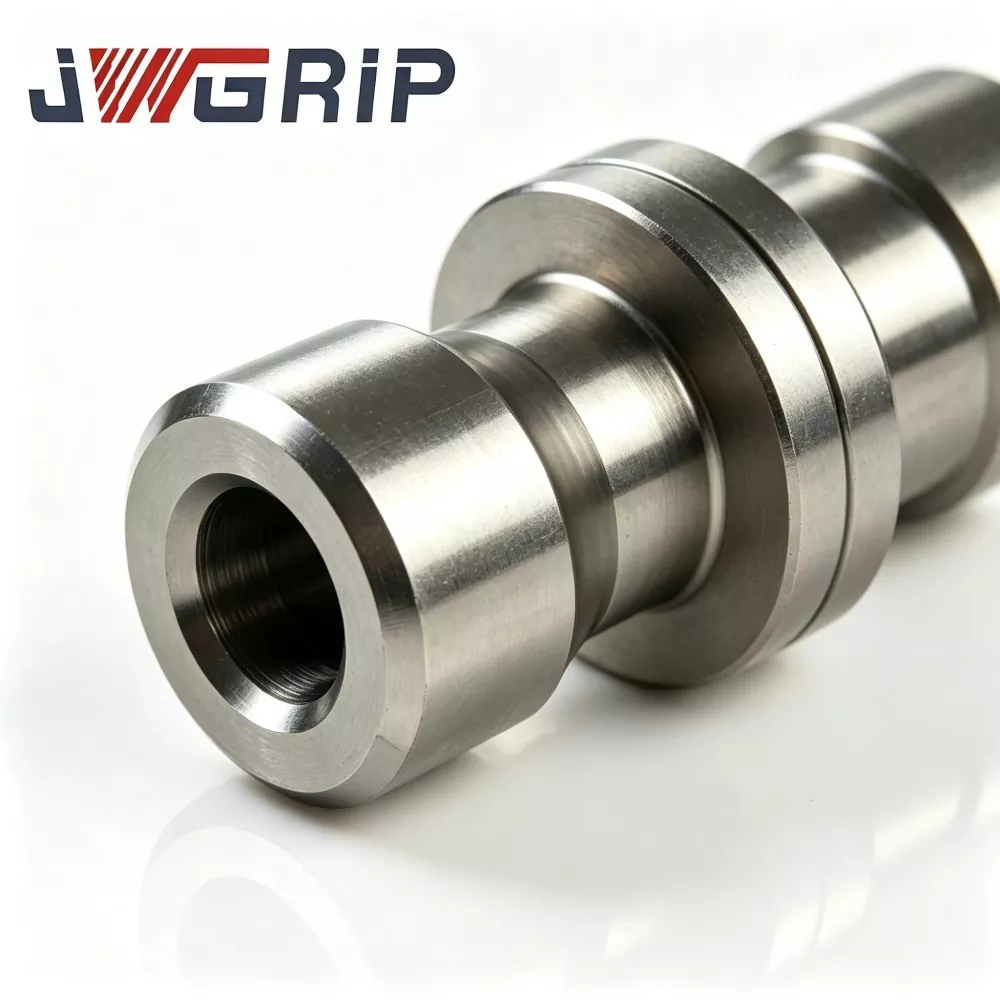
JWGRIP Precision D16 Zero Point Pull Stud for CNC Workholding is single-body high-precision positioning-locking component for D16-series zero-point fixture system. Its key functional sections include four parts:
1. Spherical pulling contact surface: Main clamping stress-bearing area, matched with internal clamping jaws of D16 zero-point station.
2. Locating shoulder reference face: Axial positioning benchmark surface, fits fixture bottom or zero-point station reference plane.
3. Mounting thread section: Installation thread for screwing into fixture / pallet threaded hole.
4. Anti-rotation flat feature: Prevents pull-stud spinning during clamping-unlocking cycles (standard & optional custom version).
Key Part Description
1. Spherical pulling contact surface Processed by ultra-precision grinding, optimized spherical stress distribution structure. After special heat-treatment, surface obtains high hardness and wear-resistance, resisting spalling, scratch and plastic deformation under hundreds-of-thousands cyclic clamping loads. It is the core force-bearing contact area for zero-point locking.
2. Locating shoulder reference face High-precision ground flat benchmark face. Strict perpendicularity control between shoulder face and spherical center, guarantees axial positioning accuracy of fixture, avoids Z-axis dimension deviation caused by shoulder face dent or tilt.
3. Mounting thread section Adopts high-precision thread specification matched with D16 zero-point fixture system. Good tensile strength and anti-fatigue performance, preventing thread slipping or cracking under long-term pulling load.
4. Anti-rotation flat feature Milled anti-rotation flat structure, stops pull-stud from rotating along with clamping-jaw friction during repeated fixture swap, protecting thread connection reliability; available for standard version, also supports custom cancellation according to customer drawing requirements.
Technical Advantages
1. Specially developed for D16-series zero-point clamping system, 100% interchangeable standard spare-part solution Different from universal pull-stud products on market, Precision D16 Zero Point Pull Stud for CNC Workholding is fully optimized aiming at D16 zero-point fixture station’s clamping jaw profile, pulling force requirement and positioning benchmark parameters. Direct replacement without secondary fitting modification, greatly reducing fixture maintenance downtime.
2. Optimized spherical stress distribution + multi-cycle precision heat-treatment, outstanding wear-resistance and anti-fatigue performance Optimize spherical contact stress to lower local contact pressure. Premium alloy steel with multi-cycle precision heat-treatment achieves reasonable hardness gradient. Effectively resist spalling, scratch and plastic deformation under hundreds-of-thousands cyclic clamping, extend component service life.
3. Ultra-precision grinding for key surfaces, stable long-term repeat-positioning performance Spherical surface and locating shoulder reference face adopt ultra-precision grinding process. Strict geometric tolerance control for perpendicularity, roundness and spherical dimension. Keep consistent positioning performance after large quantity fixture-swap cycles, ensure stable workpiece machining dimension.
4. Standard spot stock & flexible OEM customization capability Standard D16 zero-point pull studs are in sufficient stock for urgent fixture maintenance replacement. Support OEM customization: thread specification adjustment, shoulder height modification, spherical tolerance optimization, anti-rotation structure change, to satisfy personalized requirements of various special CNC fixture solutions.
5. Strict full-process batch inspection & mass production-site verification Every production batch completes incoming-material inspection, forging flaw detection, hardness screening, precision dimension sorting and finished-product cycle sampling verification. Products have been mass-applied and verified on a large number of domestic CNC zero-point fixture production sites.
Installation & Operational Precautions
1. Pre-installation cleaning and checking Clean threaded hole on fixture/pallet completely, remove iron chips, cutting fluid residue and foreign contaminants. Inspect threaded hole for damage; repair or replace fixture thread if thread teeth are broken. Check mating reference surface for dent, burr or scratch.
2. D16 zero-point pull-stud mounting Screw D16 pull stud into fixture threaded hole. Tighten strictly follow torque requirement specified in technical datasheet. Over-torque tightening is forbidden, to prevent thread damage, shoulder face distortion and hidden positioning accuracy failure.
3. Check assembly benchmark fitting status After installation, confirm locating shoulder reference face fits closely against fixture bottom surface without tilt or gap. Do not have foreign particles sandwiched between shoulder and fixture. If multiple pull studs are installed on one fixture, ensure all studs keep consistent mounting status.
4. Pre-use manual swap simulation test Mount fixture assembled with D16 pull studs onto D16 zero-point fixture station, execute repeated manual clamping-unlocking test. Check clamping is firm, unlocking is smooth, no abnormal noise. Confirm no jamming between pull-stud spherical surface and station inner jaws.
5. Cutting-state verification test Carry out trial cutting for workpiece, inspect fixture locking stability and workpiece machining dimension consistency. After performance is confirmed qualified, formally put into batch production.
6. Daily on-site inspection requirement Regularly demount pull studs for appearance inspection. Check spherical surface for scratch/spalling, inspect shoulder face for dent and thread for wear. Replace pull stud timely once obvious damage occurs, avoid unexpected accuracy failure during mass machining.
After-Sales Support Services
1. Remote online technical guidance: covering pull-stud selection consultation, installation torque guidance and zero-point fixture on-site troubleshooting.
2. Complete technical datasheet and installation operation document are supplied for each purchasing order.
3. Engineering-level custom project consultation: thread specification modification, shoulder height adjustment, spherical tolerance customization, anti-rotation structure optimization and other personalized demands.
4. Support single-piece sample spot procurement and large-batch bulk order supply of D16 zero-point pull studs, meeting urgent fixture maintenance and workshop batch upgrading demands.
5. Warranty statement: Under correct installation and rated working pulling-load conditions, non-consumable main body of D16 Zero Point Pull Stud enjoys 2-year warranty. Wear caused by normal cyclic friction, scratch from foreign chip impact are excluded from free-warranty scope. Damage caused by over-torque mounting, overload pulling force, man-made collision and improper operating environment is not covered by warranty.
FAQ
Q1: Can this Precision D16 Zero Point Pull Stud be directly matched with standard D16-series zero-point fixture stations?
Yes. Precision D16 Zero Point Pull Stud for CNC Workholding is standard matching positioning-locking spare-part for D16-series zero-point fixture stations. Spherical dimension, shoulder height and thread specification all follow D16 system original standard, can be directly installed and replaced without secondary modification.
Q2: How many clamping cycles can JWGRIP D16 zero-point pull stud reach in rated working condition?
Under correct installation, proper torque and clean working environment, it can reach hundreds-of-thousands clamping cycles. Actual service life relates to cutting load, chip pollution degree and regular maintenance status on production site.
Q3: If special thread, shoulder dimension or spherical tolerance is required for project, is custom service available?
OEM custom service is available. You can provide drawings or detailed technical parameters, we can adjust thread, shoulder height, spherical tolerance and anti-rotation structure according to actual fixture requirements.
Q4: Is single-piece sample purchase supported for fixture verification and maintenance?
Yes. Standard D16 zero-point pull studs are in stock, supporting single-piece sample purchase for fixture test and on-site maintenance, also supporting large-volume bulk order for workshop renovation projects.
Q5: What are key points for daily maintenance of D16 zero-point pull stud?
Focus points: Keep thread, spherical contact surface and locating shoulder face clean without chip residue; tighten pull-stud strictly per specified torque; regularly inspect spherical surface for spalling / scratch, shoulder face for dent and thread for wear; replace pull-stud timely once obvious damage appears.
Hot Tags: Precision D16 Zero Point Pull Stud for CNC Workholding
Send Inquiry
Contact Info
-
Address
No. 44, Daning Entrepreneurship Road, Humen Town, Dongguan City, Guangdong Province, China
-
Tel
-
Email
Welcome to send inquiry to JWGRIP. Our professional technical and sales team will provide free fixture selection, customized solution design and accurate quotation.