High-Performance CNC Self-Centering Vises for Precision Workholding
As an experienced developer and producer of CNC Self-Centering Vises, JWGRIP supplies application-oriented jaw assemblies, special fixture supports and multi-angle locating units for global tooling shops, new-energy parts fabricators and precision component manufacturers needing heavy-duty clamping for 3-axis & 5-axis milling and batch machining. In-house R&D supports custom modifications with short lead time to adapt to various on-site machining conditions. JWGRIP also provides R-Type EDM Workholding System and Quick Change Workholding System, meeting full-plant fixture upgrade requirements for intelligent manufacturing transformation.
Practical Pain Points
Many CNC workshops still rely on ordinary manual vises for milling and 5-axis machining. Operators spend extra time adjusting jaw position, performing manual centering and checking offset values before every batch.
Even with careful adjustment, uneven clamping force often causes workpiece offset, part tilting and dimensional deviation after cutting. These small errors lead to unexpected scrap and re-work, especially for symmetrical parts, batch-produced components and precision mold blanks.
What if you need to clamp multiple parts at one time? Traditional vises struggle to guarantee consistent centering effect across every workpiece. Is there a workholding tool that can maintain automatic centering while simplifying set-up procedures? That is exactly where CNC Self-Centering Vises bring practical improvements for daily shop-floor operation.
Process Advantages
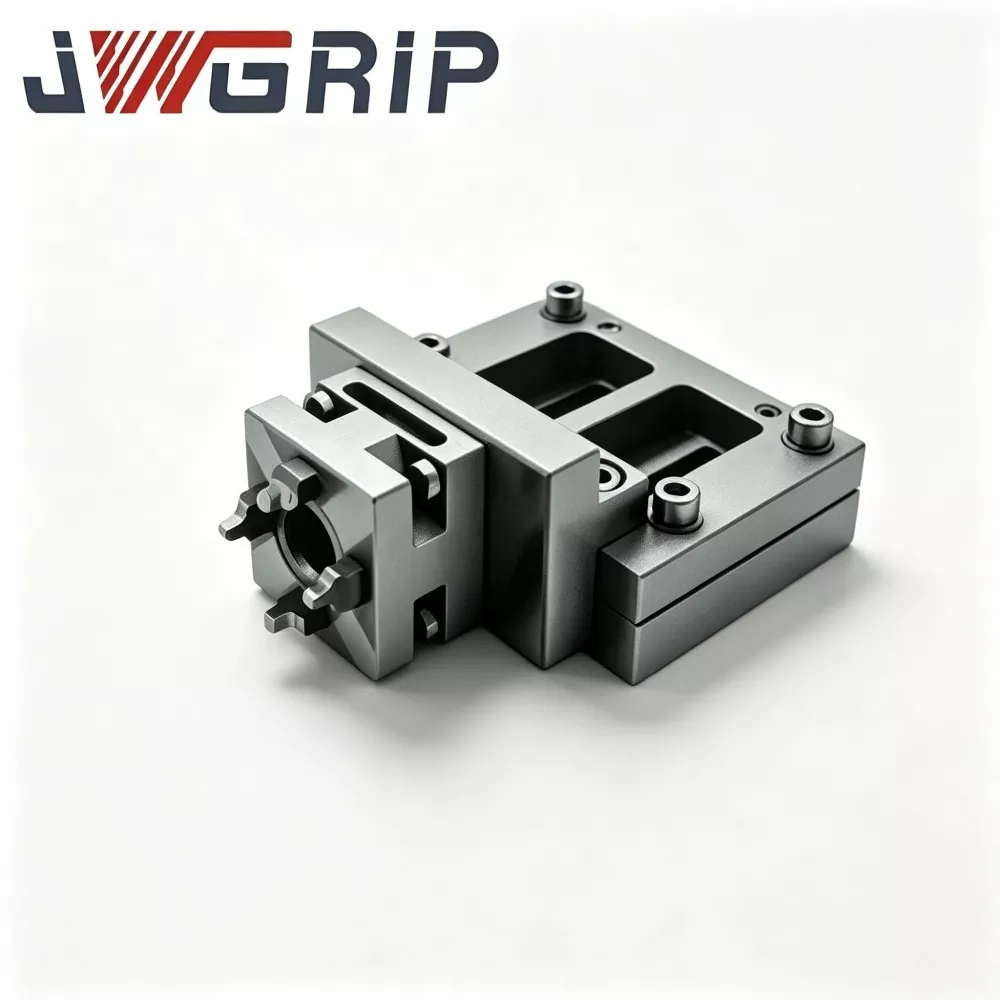
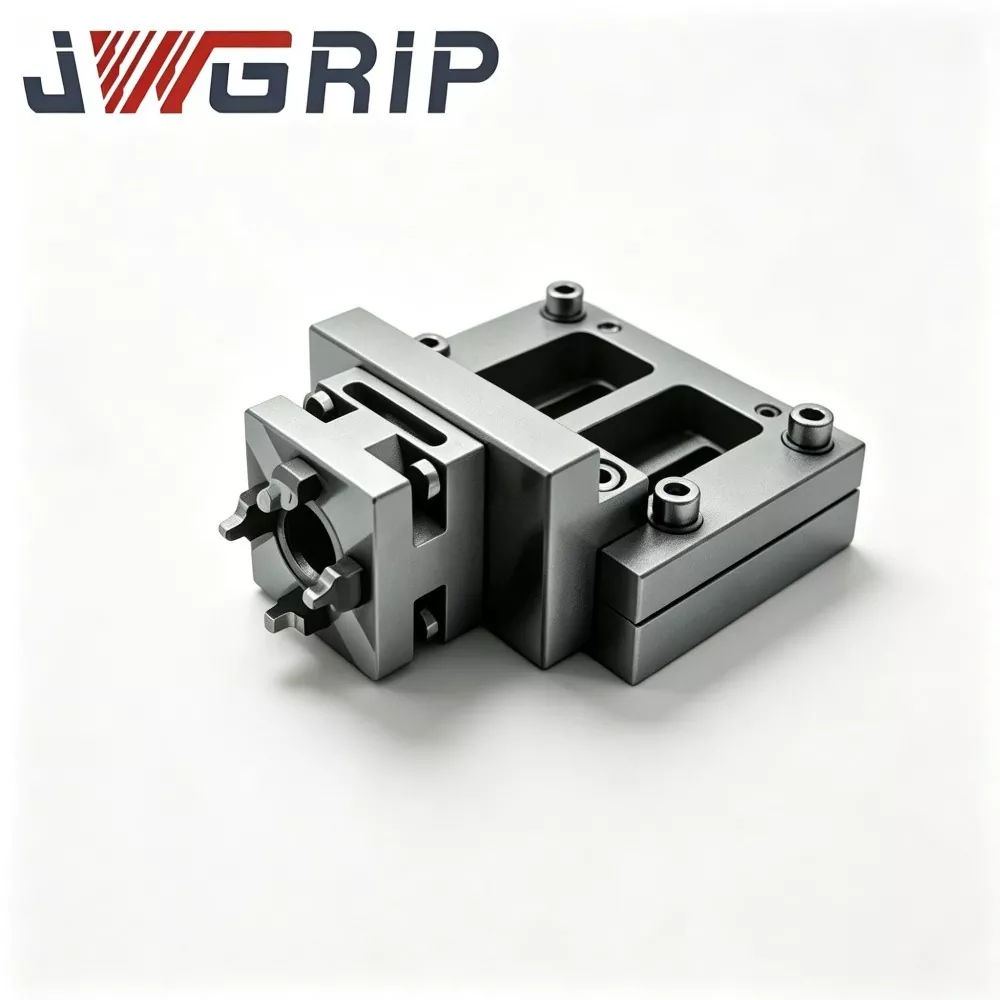
CNC Self-Centering Vises are high-accuracy mechanical workholding tools specially built for CNC milling, mold processing and multi-axis machining. Different from standard single-screw vises, both jaws move synchronously toward the central datum when tightening.
Automatic centering function keeps the workpiece geometric center aligned with the machine coordinate origin without repeated manual adjustment. It greatly cuts down manual measuring, dial-gauging and correction work during job change-over.
Most models support interchangeable hard jaws and soft jaws. Soft jaws can be machined on-site to fit special-shaped workpieces, while hard jaws deliver strong gripping force for heavy stock removal.
When paired with Zero Point Positioning System, these vises can be mounted onto zero-point pallets for full quick-change workflow. Operators can finish pre-clamping outside machine tools to maximize machine running time.
Stable clamping rigidity resists cutting vibration during heavy-duty milling. It helps to obtain better surface finish and tighter tolerance for batch parts.
Product Template Composition
JWGRIP’s Vises portfolio contains three secondary series for different load capacity, travel requirement and machine conditions:
1. H77 Series CNC Self-Centering Vise
Representative product includes Compact High Precision Self Centering Zero Point Vise with Hard Jaws and Extended Travel Self Centering Zero Point Vise with Soft Jaws.
Compact body design saves table space. Well-suited for small-to-medium precision parts, high-mix low-volume orders and retrofitting existing 3-axis or 5-axis equipment.
Adjustable soft-jaw configuration makes it flexible for custom-size blanks.
2. H125 Series Heavy Duty Self-Centering Vise
Main items cover Heavy Duty Compact Self Centering Zero Point Vise for 5 Axis CNC Machining and Large Travel Heavy Duty Self Centering Vise with Hard Jaws for Large Workpiece Machining.
Reinforced thick-body structure provides ultra-high clamping force for large blanks and heavy cutting tasks.
Widely adopted in heavy-cut milling, structural component processing and fixture building for mold workshops.
3. Round Base Self-Centering Vise
Typical models: Wide Clamping Range Round Base Self Centering Vise and High Accuracy Round Base Self Centering CNC Vise.
Circular base allows flexible angle arrangement on machine table, which is highly valuable for complex multi-angle 5-axis machining tasks.
Selection Guide
How do you decide between compact-type and heavy-duty vise versions?
You need to evaluate workpiece weight, material removal volume and your machine table load limit first. Light-cut precision parts can choose H77 series; large blanks with heavy stock removal should turn to H125 Series Heavy Duty Self-Centering Vise.
Do you need soft jaws or hard jaws?
Hard jaws are for standard regular workpieces requiring strong bite force. Soft jaws can be milled to match irregular contours for customized parts.
Will the vise be used on five-axis machines?
Pay attention to body height and jaw protruding range. Excessive height may cause spindle interference during tilting movement. Round-base type is worth considering if frequent angle adjustment is required.
Do you plan to realize fast fixture swap?
You may select vise versions with zero-point mounting interface so that they can cooperate with existing pallet systems. Many users ignore mounting interface at the purchasing stage and lose chances for future automation upgrade.
Core Advantage
All key force-bearing components of our CNC self-centering vises adopt alloy steel, going through quenching and tempering treatment to improve surface hardness and wear resistance. Long-term repeated opening-closing movement will not easily damage the synchronous transmission mechanism.
Every finished vise goes through strict centering accuracy testing and clamping-force inspection before delivery. Synchronous jaw movement performance is fully verified to prevent unilateral jaw jamming or centering drifting after long-time use.
We support non-standard modification service: changing jaw height, custom soft-jaw profiles or reserving zero-point mounting holes according to customer samples or drawings.
Our technical team accumulates rich practical experience from serving mold factories, auto-part manufacturers and aerospace processing plants. We do not only sell standard workholding products, but also offer actionable suggestions about matching Quick Change Workholding System for your whole workshop upgrade.
Typical application scenarios
Batch symmetrical component milling, mold cavity pre-machining, aluminum alloy and steel part processing on 3-axis CNC centers.
Five-axis simultaneous machining where consistent centering datum is critical.
Flexible production for high-mix orders, combining self-centering vises with pallet quick-change units.
Small-batch trial-production workshops hoping to reduce manual measuring workload.
- View as
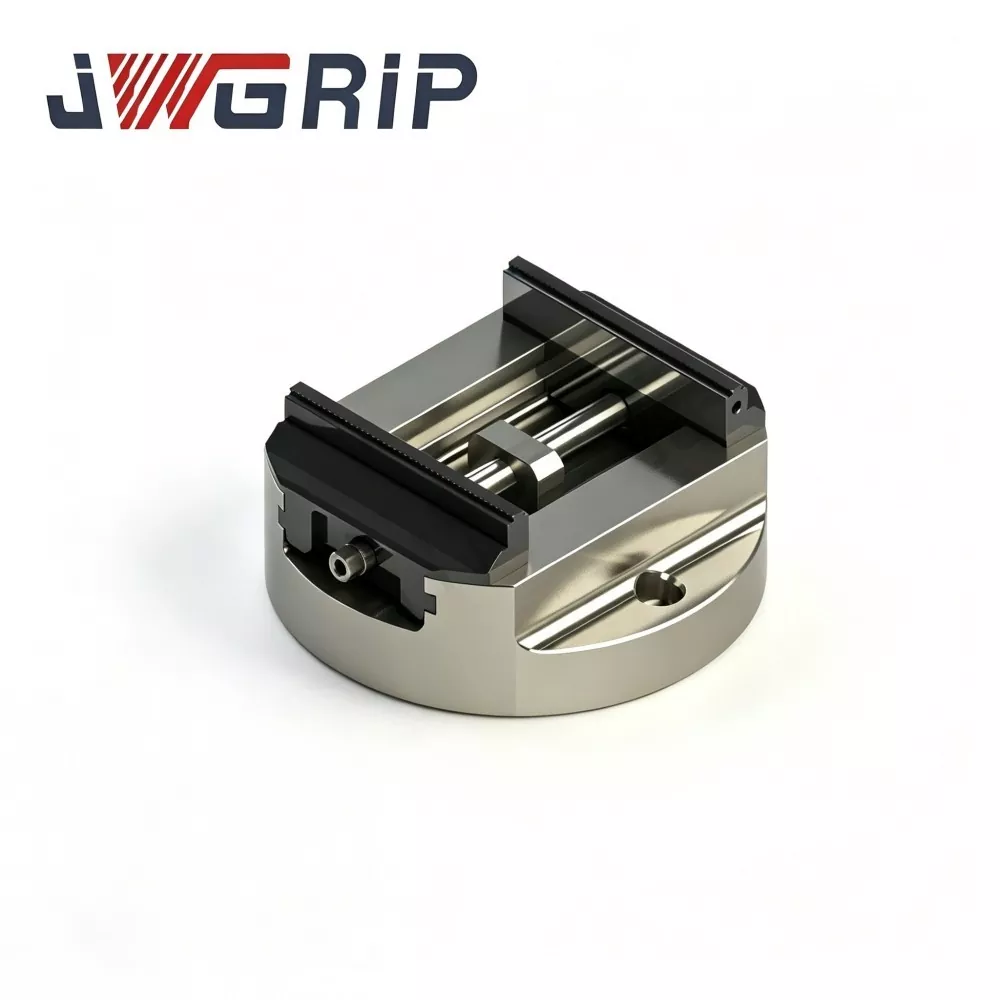
High-Accuracy Round Base Self-Centering CNC Vise
JWGRIP is the professional manufacturer and supplier of Customized High-Accuracy Round Base Self-Centering CNC Vise for 5 Axis Machining in China, with standard models fully in Stock for fast global delivery. It is a high-precision integrated CNC workholding fixture professionally engineered for 5-axis and complex multi-axis CNC machining operations. Adopting premium ductile iron body and induction-hardened guideway structure, it integrates ultra-high repeatable clamping performance, compact space-saving layout and high-rigidity cutting stability into a single integrated unit.
Heavy-Duty Round Base Self-Centering Vise for 5 Axis Machining
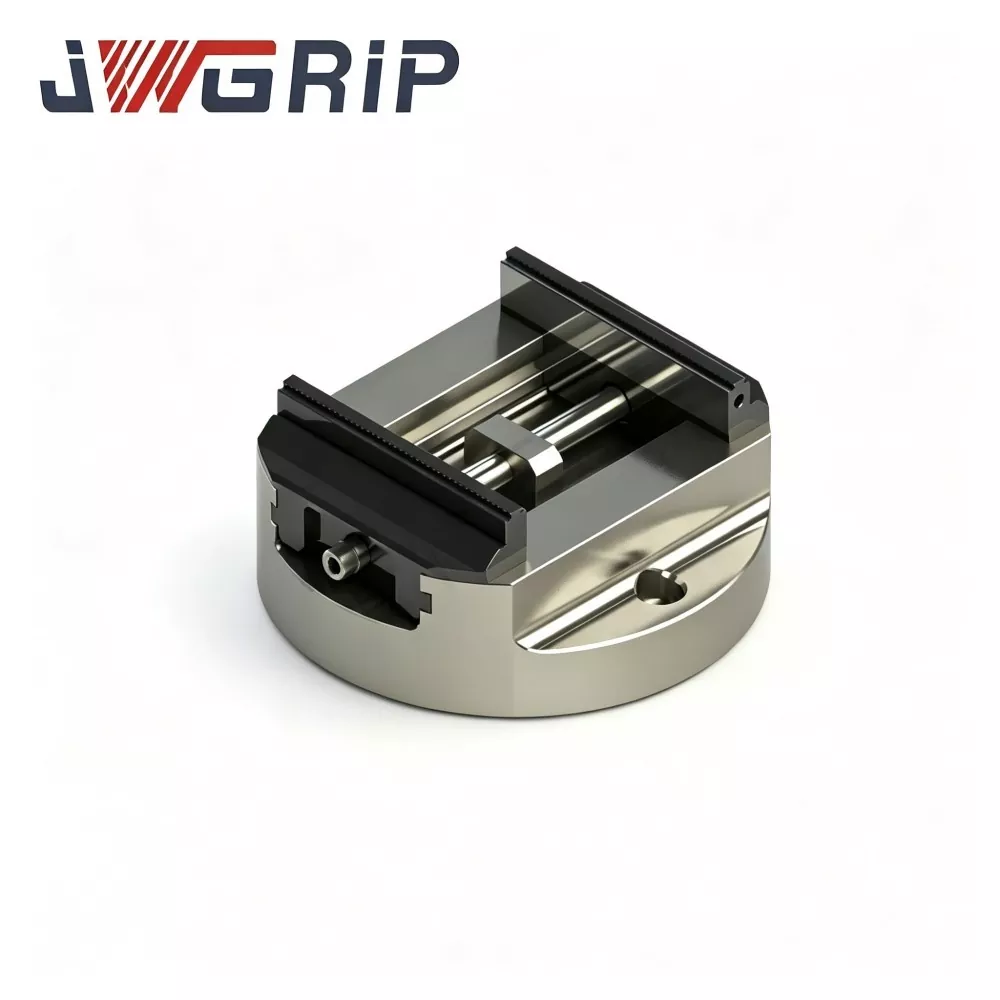
JWGRIP is the professional manufacturer and supplier of New Design Heavy-Duty Round Base Self-Centering Vise for 5 Axis Machining in China, with standard specifications fully in Stock for timely project delivery. It is a purpose-built integrated high-rigidity clamping fixture professionally optimized for high-load 5-axis simultaneous machining, cradle-type and rotary table processing scenarios. Adopting upgraded thickened round base structure and manufactured with high-quality materials and rigorous industrial production standards, it integrates strong anti-overturning rigidity, high-efficiency workpiece setup and durable modular structure into a single integrated unit.
Wide Clamping Range Round Base Self-Centering Vise
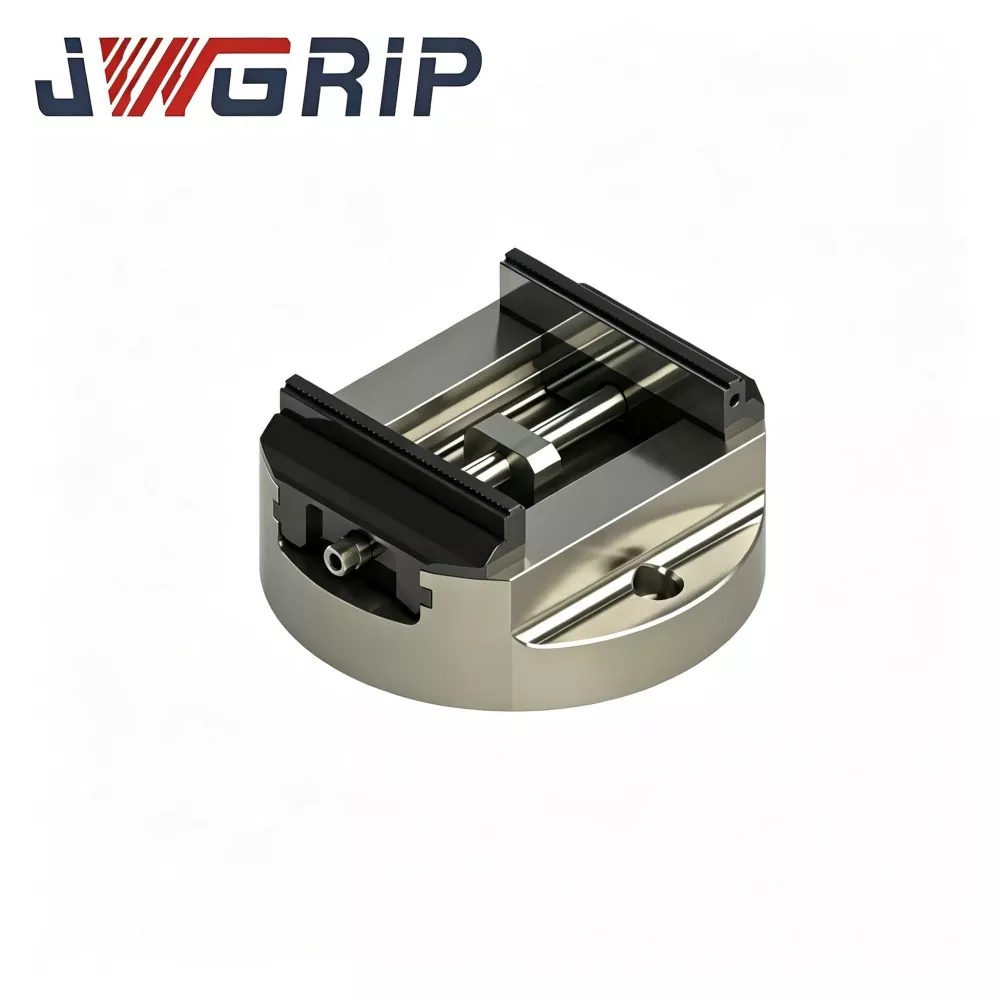
JWGRIP is the Professional manufacturer and supplier of Wide Clamping Range Round Base Self-Centering Vise in China, with standard models fully in Stock to meet diverse project delivery demands. It is a newly engineered integrated precision clamping fixture specially developed for CNC rotary tables, 4-axis and 5-axis multi-axis machining workflows. Adopting optimized round base structural design and manufactured under strict high-quality industrial standards, it integrates wide-range clamping capacity and high-stability rotary positioning function into a single unit.
Large Travel Heavy-Duty Self-Centering Vise with Hard Jaws for Large Workpiece Machining
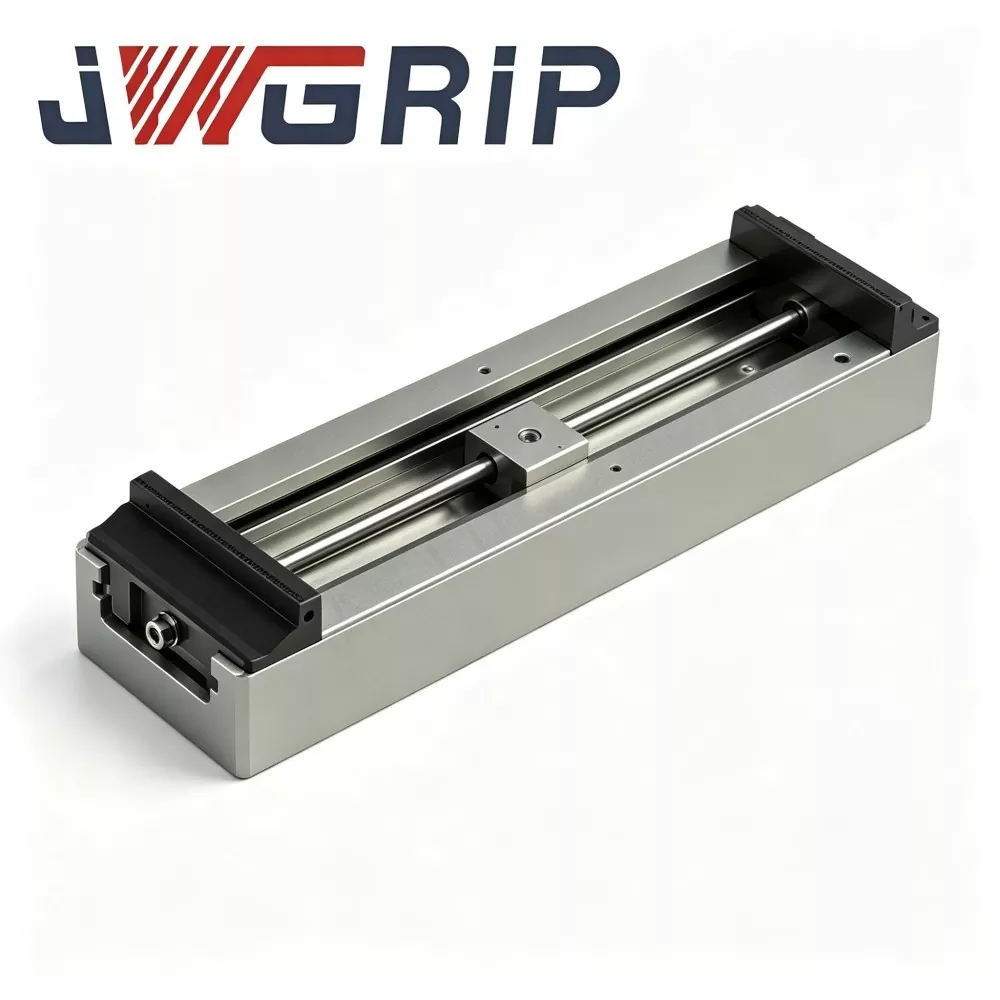
JWGRIP is the professional manufacturer and supplier of Customized Large Travel Heavy-Duty Self-Centering Vise with Hard Jaws for Large Workpiece Machining in China, with standard specifications fully in Stock for timely project delivery. It is a purpose-built integrated precision clamping fixture specially designed for oversized, long-dimension and large-size workpiece processing in modern CNC workshops. Adopting high-quality material configuration and standardized integrated structural design, it integrates extended clamping stroke and high-rigidity bearing structure into one single device, eliminating the need for combined assembly of multiple separate fixtures and repeated datum calibration.
Extended Travel Heavy-Duty Self-Centering Zero Point Vise with Hard Jaws
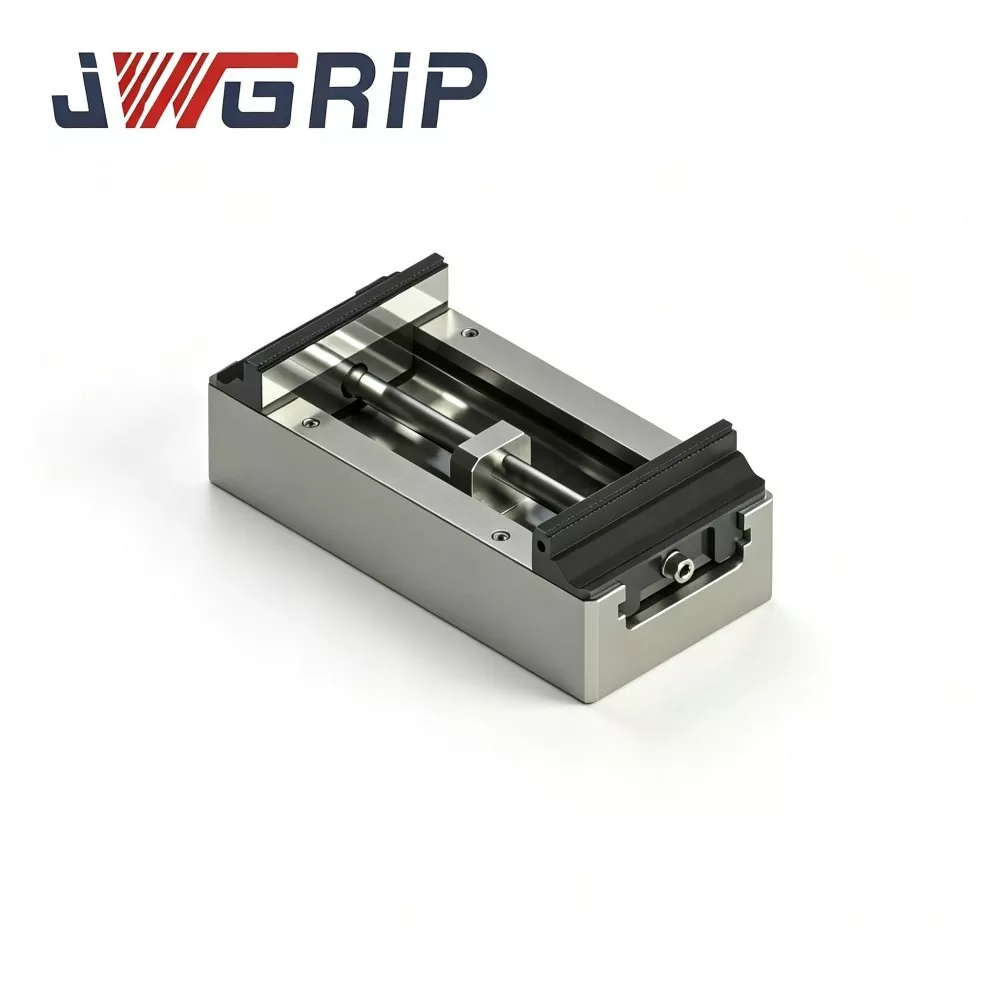
JWGRIP is the professional manufacturer and supplier of Factory Direct Extended Travel Heavy-Duty Self-Centering Zero Point Vise with Hard Jaws in China, with standard products fully in Stock for rapid global delivery. It is a newly upgraded integrated zero-point positioning clamping fixture specially designed for vertical CNC machining centers, 4-axis and 5-axis linkage processing equipment. Adopting brand-new structural craftsmanship and manufactured in strict accordance with high-grade industrial standards, the fixture integrates optimized long-travel transmission structure and standard zero-point quick-change docking unit as a complete integrated device.
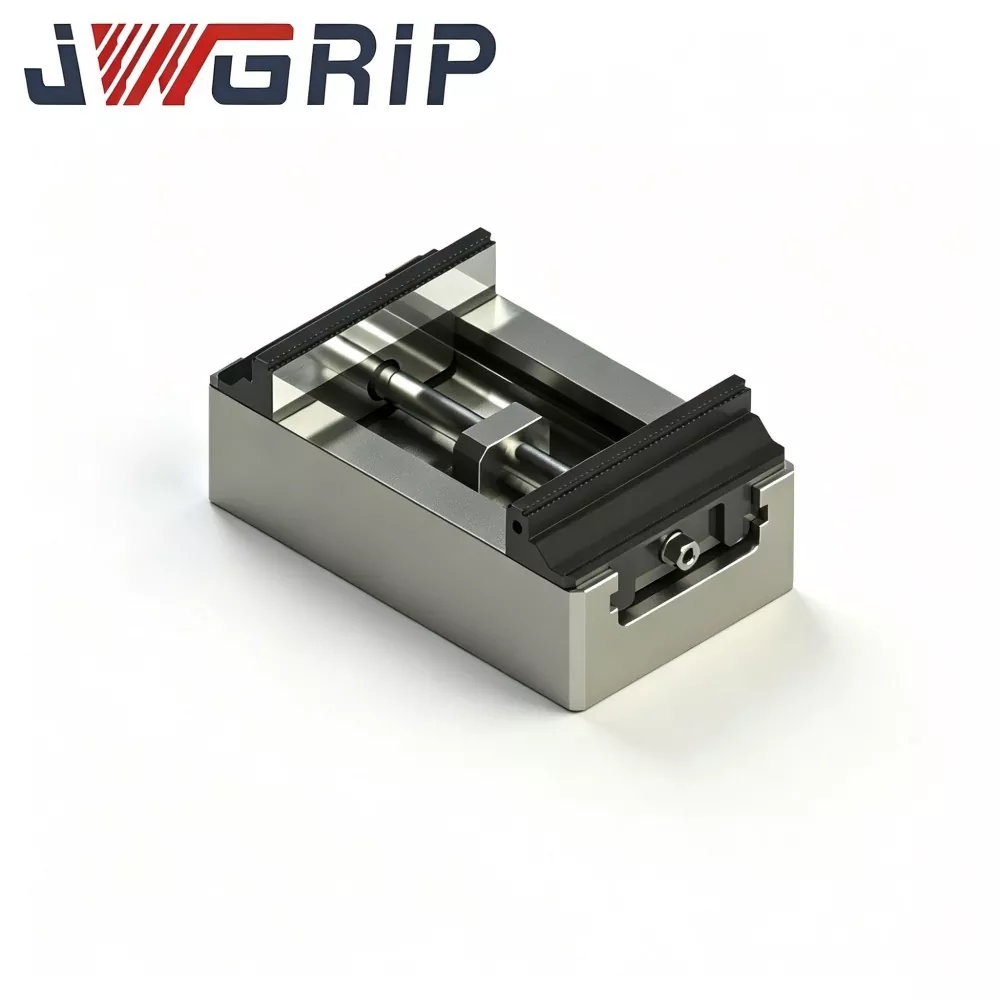
Medium-Size Heavy-Duty Self-Centering Zero Point Vise with Hard Jaws for CNC Milling
JWGRIP is the professional manufacturer and supplier of Factory Direct & Customized Medium-Size Heavy-Duty Self-Centering Zero Point Vise with Hard Jaws for CNC Milling in China. It is a new-design integrated zero-point clamping fixture specially developed for heavy-duty CNC milling production scenarios. This high-quality precision fixture integrates medium-sized heavy-duty synchronous self-centering transmission structure and standard zero-point positioning docking unit as a complete single device, eliminating the need for additional matching accessories or repeated on-site calibration.
JWGRIP is a professional CNC Self-Centering Vises manufacturer and supplier in China. We warmly welcome you to wholesale high quality products at competitive price from our factory.