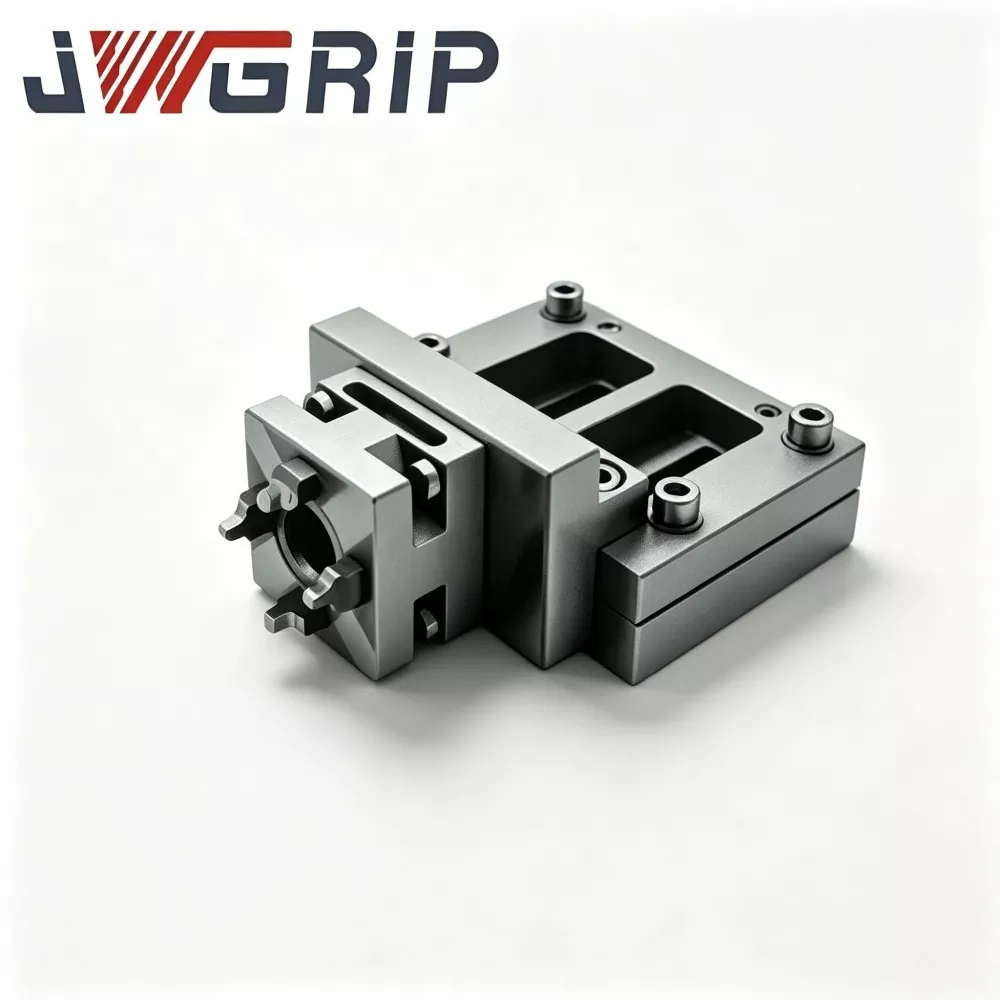
R-Type Electrode Holders from a Trusted Manufacturer for Reliable Welding Operations
As a specialized workholding supplier of R-Type Electrode Holders, JWGRIP produces high-stability extension rods, collet units and pneumatic drawbar assemblies for mold manufacturers, EDM process engineers and fixture sourcing buyers who struggle with electrode run-out and vibration during deep-cavity spark erosion. Every key component goes through stress-relieving treatment and precision grinding to minimize concentricity errors when mounting diverse graphite and copper electrodes. These mounting accessories mitigate wobble during deep sinking, improving surface finish quality of intricate mold details. Apart from electrode mounting assemblies, JWGRIP also supplies R-Type EDM Chucks and EROWA Compatible Electrode Chucks to build a complete tooling chain covering chuck base to electrode tip.
Many mold-making plants only focus on the performance of EDM chucks and spark machine parameters, ignoring how electrode mounting components directly influence final machining results. Even high-grade copper-graphite electrodes will generate obvious run-out if matched with low-quality holders. When processing deep, narrow mold cavities, slight vibration transmitted from the mounting position will produce rippled side walls, blurred corner radii and inconsistent spark gaps. Re-working defective cavities wastes electrodes, consumes machine runtime and delays order delivery. Many off-the-shelf general-purpose mounting parts cannot resist the influence of dielectric fluid splashing and temperature fluctuation inside the EDM working tank, leading to gradual accuracy drift after repeated electrode replacements.
Performance Differences
Generic tool holders are designed for high-speed milling instead of spark erosion environments. They rarely consider dielectric fluid resistance, heat fluctuation and the special clamping requirements of fragile graphite electrodes.
In comparison, R-Type Electrode Holders are fully optimized for sinker EDM operational characteristics. The R-Type Extension Rod for EDM Electrode Holder extends reach for deep cavity machining without amplifying vibration. The R-Type ER32 Collet for EDM Electrode Holder delivers uniform circumferential gripping force, preventing brittle graphite electrodes from cracking under clamping pressure. The R-Type Pneumatic Drawbar for EDM Electrode Holder enables remote automated locking and unlocking, which fits high-frequency electrode replacement workflows. The R-Type CNC Calibration Block for EDM Workholding supports fast offset verification, shortening measuring time before spark processing starts. Reasonably matched mounting hardware keeps electrode concentricity stable even when working far away from the chuck datum, avoiding vibration-caused surface defects on mold cavities.
Reducing Electrode Waste
Graphite and copper electrodes represent major variable costs for mold workshops. Poor holder concentricity and unstable clamping force often damage expensive electrodes before spark machining even begins. Standardized R-Type Electrode Holders allow operators to finish electrode pre-setting, trimming and offset measurement outside the EDM machine tank. Operators assemble electrodes onto extension rods or collet units on external measuring benches; after calibration, the whole assembly can be installed onto R-Type EDM Chucks quickly.
The pneumatic drawbar removes manual wrench operations, lowering the risk of over-tightening which cracks graphite materials. When building mixed-mode production lines combining manual operation and semi-automation, users can combine these holders with locating modules from Quick Change Workholding System, realizing unified datum transfer between pre-station measuring benches and EDM machine tables. This workflow cuts electrode scrap rates and reduces time consumed by repeated on-machine correction.
Core Product Advantages
Precision-ground mating surfaces guarantee excellent concentricity, effectively suppressing electrode run-out during deep-cavity spark erosion.
Diversified structural forms including extension rod, ER32 collet and pneumatic drawbar adapt to short electrodes, long-reach deep cavity tasks and automated production demands.
Surface anti-corrosion treatment resists dielectric fluid erosion, slowing down rust and contamination accumulation inside the EDM working tank.
Compatible with mainstream R-Type locating accessories, supporting fast cooperation with calibration blocks and multiple styles of EDM chucks.
Product Module Introduction
JWGRIP’s electrode mounting assemblies cover multiple functional modules to handle different electrode lengths, materials and automation levels.
R-Type Extension Rod for EDM Electrode Holder solves the machining obstacle of deep and confined mold cavities; it extends electrode working distance while controlling vibration amplification within acceptable limits. R-Type ER32 Collet for EDM Electrode Holder offers even surrounding clamping force, protecting fragile graphite electrodes from local crushing deformation. R-Type Pneumatic Drawbar for EDM Electrode Holder supports remote pneumatic locking, suitable for workshops pursuing higher automation degrees. R-Type CNC Calibration Block for EDM Workholding serves as auxiliary measuring tool for offset checking, reducing trial-and-error during electrode setup. All these modules belong to the R-Type EDM Workholding System ecosystem. If workshops need to process large-batch standard electrodes, they can select matching units from EROWA Compatible Electrode Chucks, achieving flexible fixture switching across different tooling standards.
Main Application Scenarios
These electrode mounting components are widely applied in consumer electronics mold manufacturing, automotive interior part mold processing, medical-device precision mold production and multi-electrode composite machining tasks. They fit sinker EDM equipment for deep cavity machining, tiny feature carving and complex texture etching. Whether upgrading old EDM equipment or constructing new mold-making cells, properly-selected holders stabilize electrode running status and lower unnecessary electrode consumption. They are widely adopted by custom mold factories, precision tooling workshops and enterprises that undertake high-complexity mold outsourcing orders.
Practical Guidance
First clarify your typical machining depth: deep narrow cavities require vibration-suppressed extension rod structures, while shallow mold features can adopt short direct-mount configurations.
Second confirm electrode material: graphite electrodes need collet-style holders with evenly distributed clamping force to avoid cracking.
Evaluate your production automation level: workshops with frequent electrode swapping can prioritize the pneumatic drawbar for fast remote locking. Manual small-batch workshops may choose extension rod and collet combinations for cost-effective deployment.
Before purchasing, verify compatibility with your existing R-Type EDM Chucks and calibration accessories. If you face confusion about length selection or combination schemes, you can refer to the dimension specification sheets released by JWGRIP to filter suitable part numbers according to electrode diameter and overhang requirement.
Maintenance Tips
Dielectric fluid residue, carbon dust and fine graphite powder will accumulate on mating surfaces after long-term EDM production. Regular cleaning of collet bores, rod tapers and drawbar connecting surfaces is essential to retain original positioning accuracy. Avoid applying excessive mechanical impact during electrode installation; heavy knocking will deform precision-ground taper surfaces and cause permanent concentricity loss. Apply anti-corrosion protective oil after cleaning, especially for units sitting idle for long periods. Replacing worn collets on schedule prevents uneven clamping force which damages expensive electrodes. Standardized daily maintenance habits will preserve the long-term locating performance of these high-precision mounting assemblies and keep your sinker EDM output stable over thousands of production cycles.
- View as
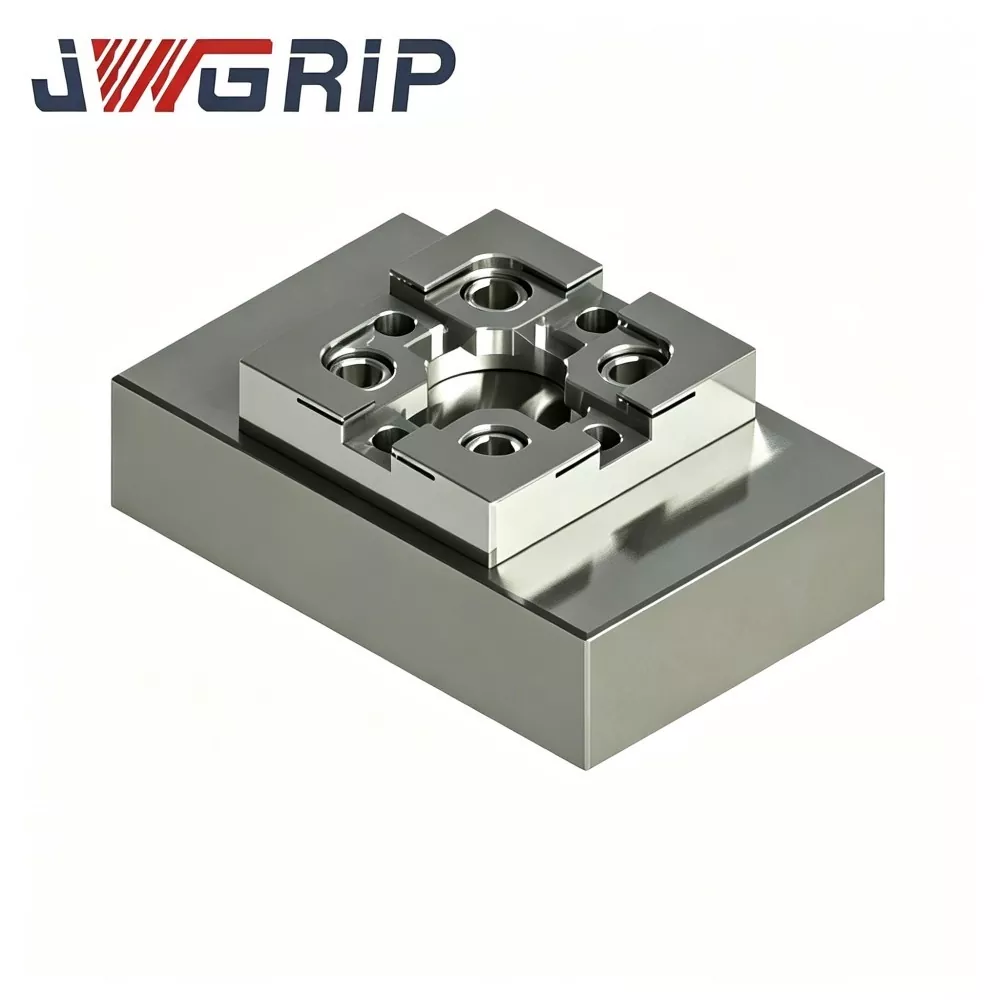
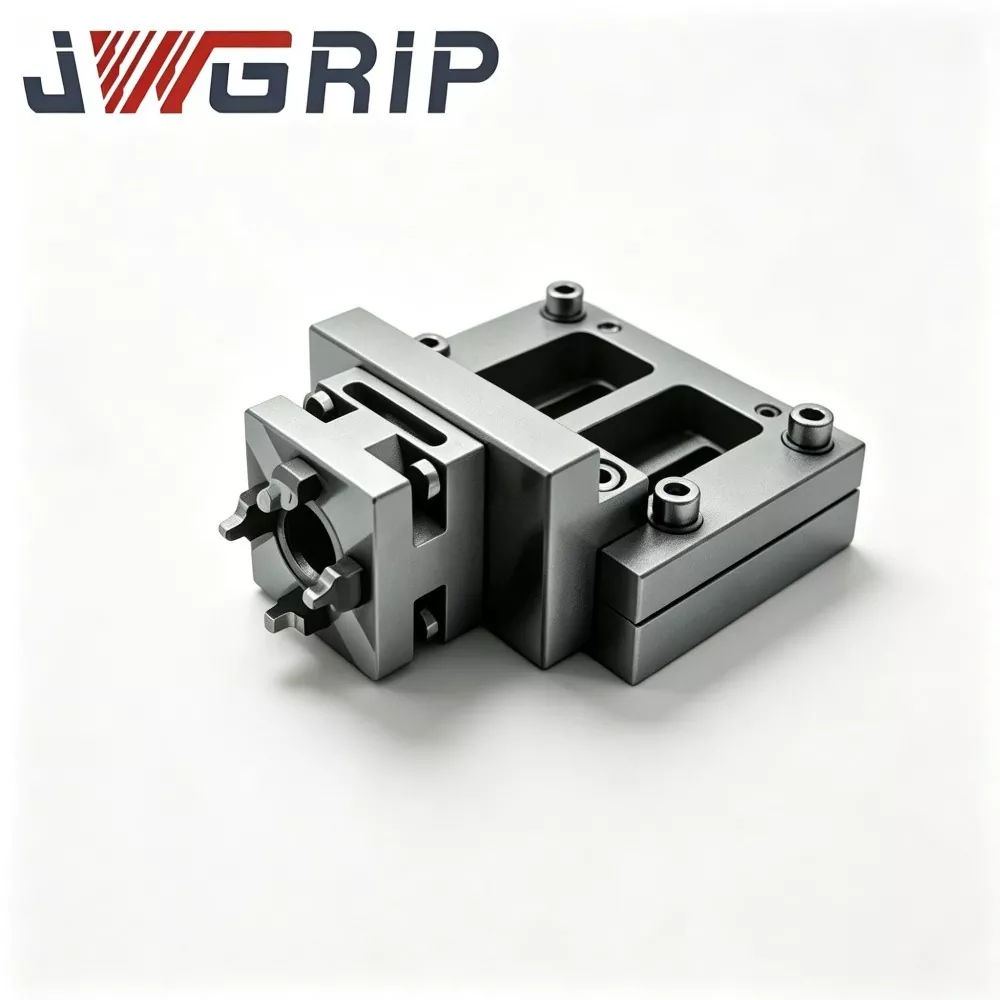
R-Type CNC Calibration Block for EDM Workholding
JWGRIP, a reliable factory-direct and professional exporter of precision EDM workholding accessories, supplies high-accuracy R-Type CNC Calibration Block for EDM Workholding, bulk order and drawing-based custom projects. Made of stabilized tool-steel with stress-relief aging, multi-face CNC milling and ultra-precision surface grinding, this calibration block maintains stable geometric tolerance under frequent temperature fluctuation and repeated probe contact. Unique R-type rounded reference-corner lowers sharp-edge wear risk and delivers repeatable coordinate offset data.
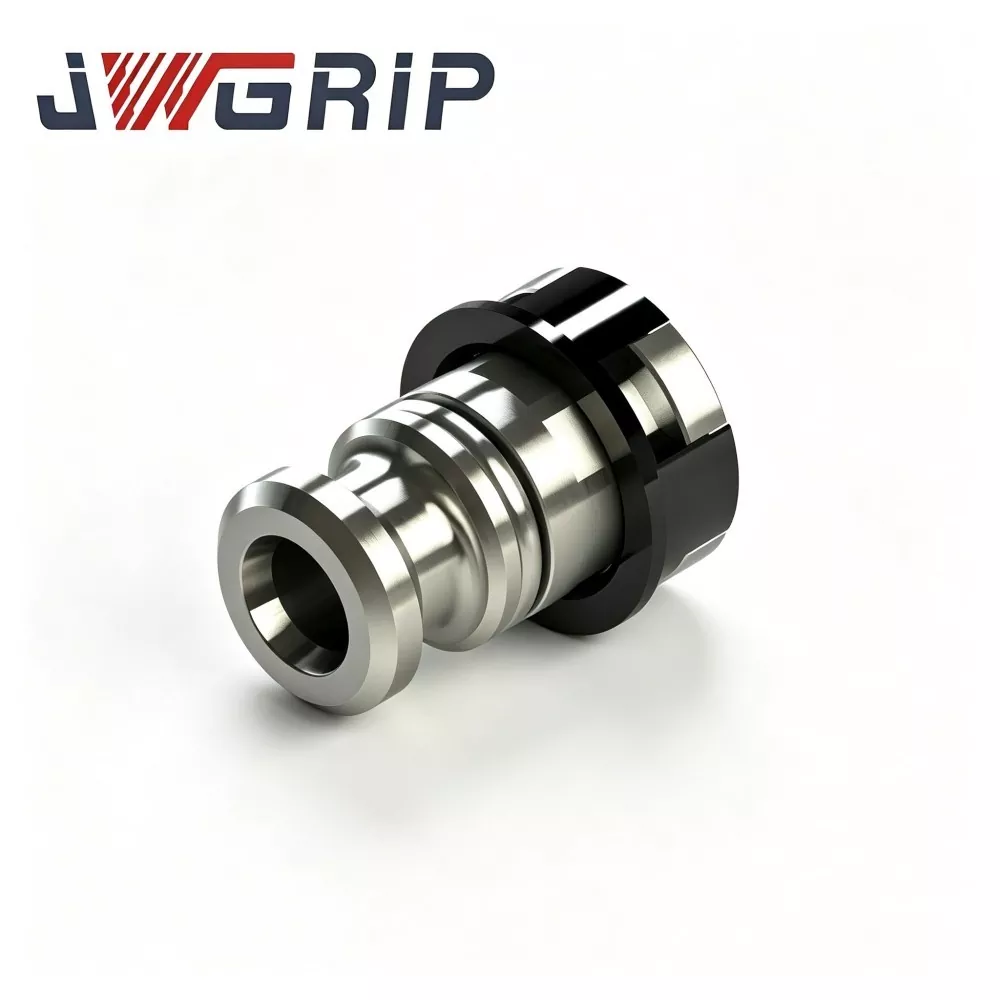
R-Type Pneumatic Drawbar for EDM Electrode Holder
JWGRIP is the professional manufacturer and supplier of R-Type Pneumatic Drawbar for EDM Electrode Holder in China, with standard specifications fully in Stock and accepting global Bulk Order for automated intelligent mold workshop projects. It is a high-reliability integrated pneumatic pulling component specially designed for unmanned automated sinker EDM production lines. It integrates optimized R-type stress-balanced force transfer structure and high-hardness anti-corrosion mechanical performance into a single device, eliminating tension attenuation, local stress concentration and easy wear defects of traditional straight-body drawbars.
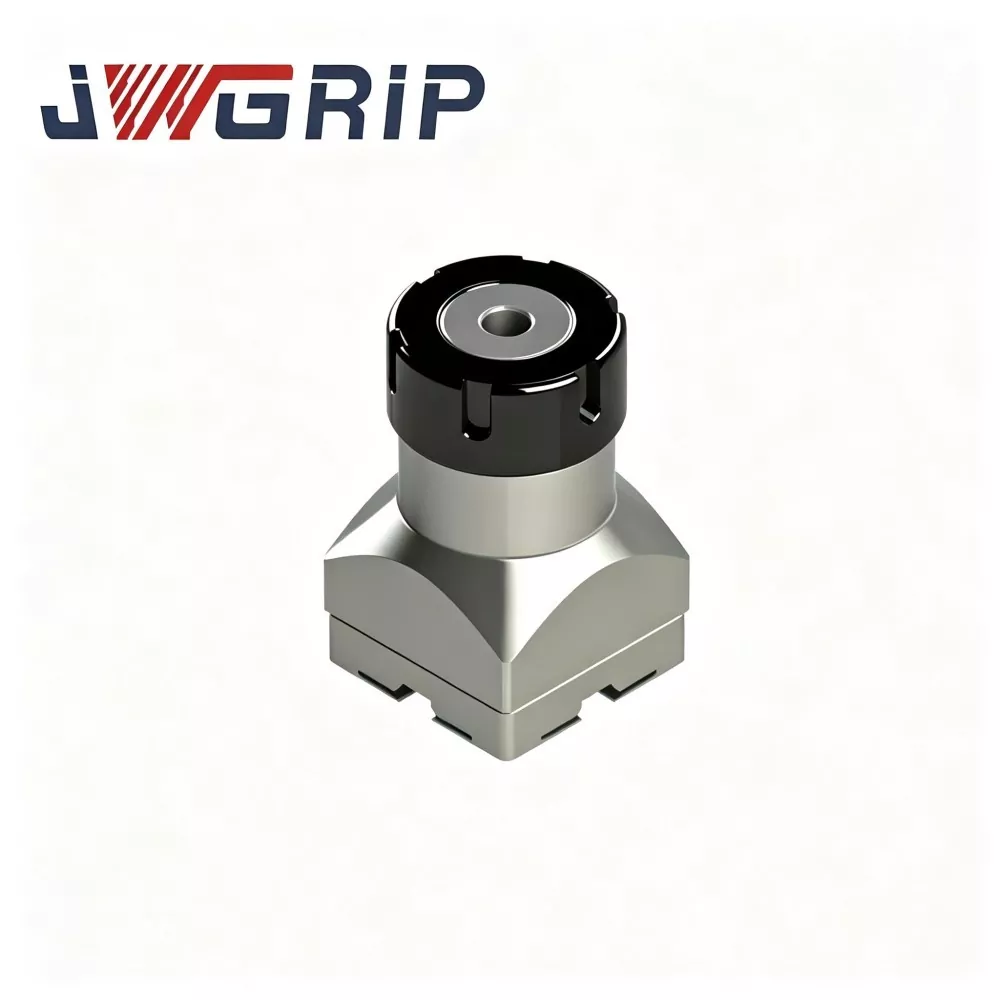
R-Type ER32 Collet for EDM Electrode Holder
JWGRIP is the professional manufacturer and supplier of R-Type ER32 Collet for EDM Electrode Holder in China, providing Factory Direct supply and mature OEM modification service for global sinker EDM mold-making enterprises. It is a high-performance EDM-specific elastic clamping accessory specially optimized for spark erosion machining working conditions. Integrating optimized R-type force balance structure and high-precision elastic clamping performance into a single unit, it solves the common defects of ordinary general-purpose collets such as uneven stress and easy precision attenuation.
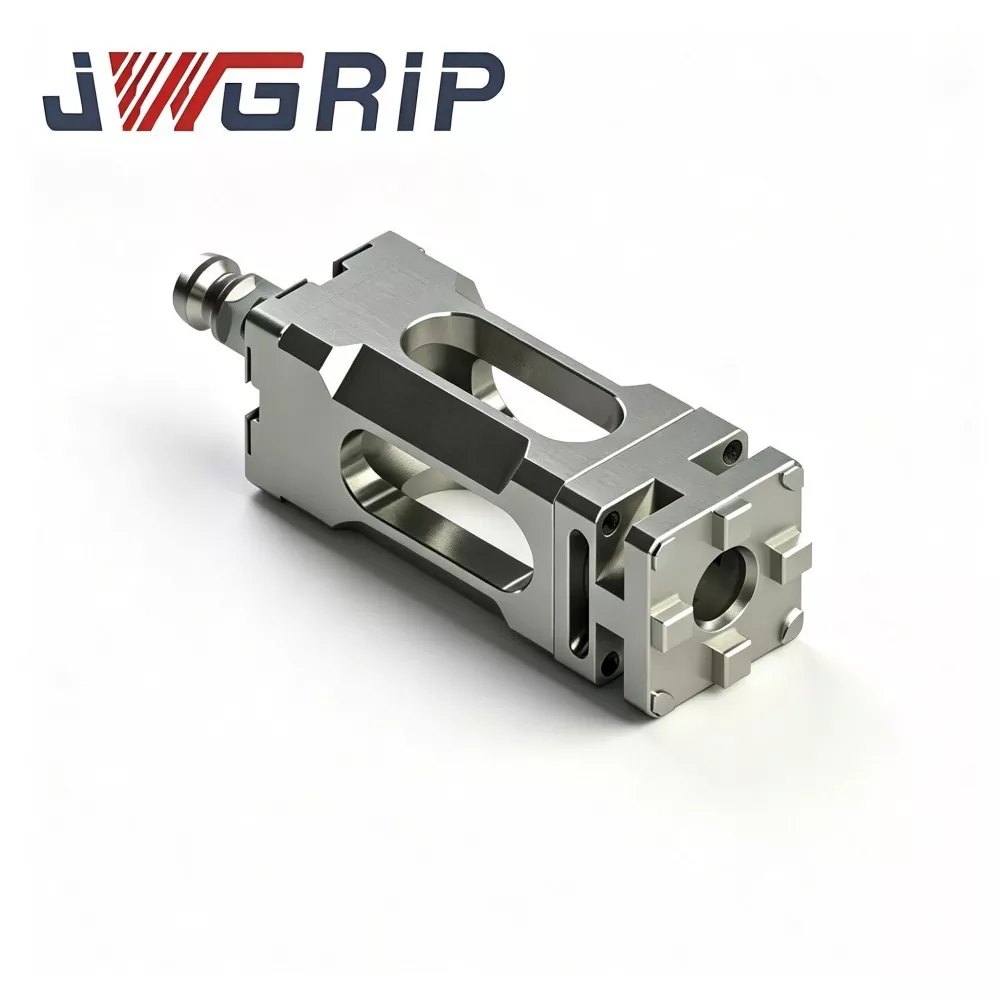
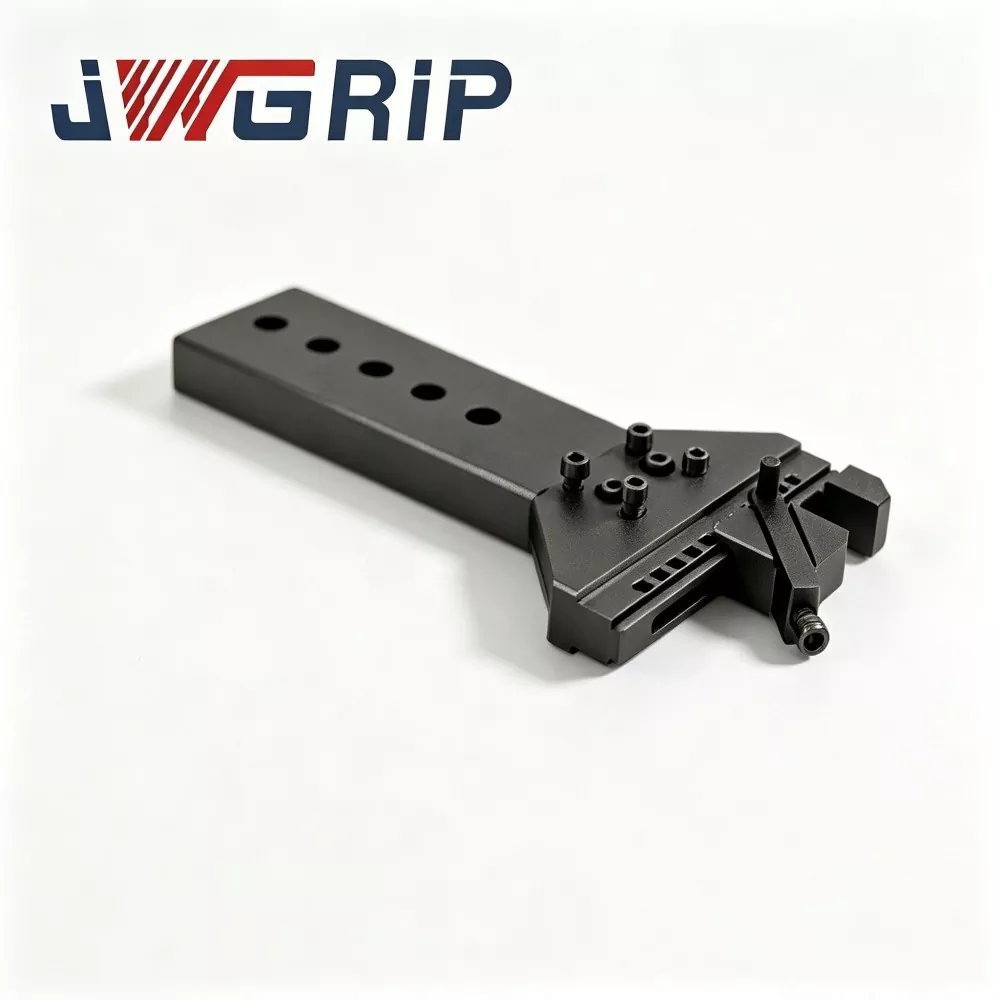
R-Type Extension Rod for EDM Electrode Holder
JWGRIP is the professional manufacturer and supplier of R-Type Extension Rod for EDM Electrode Holder in China, providing Customized dimensional modification service with multiple standard specifications fully in Stock. It is a professional high-precision EDM tooling extension component specially designed for complex die-mold sinker machining deep cavity processing scenarios. It integrates high-rigidity structural design and ultra-precision coaxial positioning performance into a single integrated rod body, perfectly solving the problem of insufficient working stroke of standard electrodes in deep cavity machining.
JWGRIP is a professional R-Type Electrode Holders manufacturer and supplier in China. We warmly welcome you to wholesale high quality products at competitive price from our factory.