Trusted UPC Zero Point Positioning Series Manufacturer for High Precision Workholding
As an industrial OEM & ODM supplier of UPC Zero Point Positioning Series, JWGRIP performs structural iteration, mechanical validation and mass manufacturing for robot-matched pallets, magnetic locating bases and mechanical connecting arms. This robot-compatible locating hardware suite is purpose-built for manufacturers that intend to expand robotic material handling capacity without overhauling their existing CNC machine base. Alongside this hardware portfolio, compatible tooling results can be achieved when paired with Zero Point Pallet Series and Zero Point Clamping Chuck series, forming hybrid manual-automatic locating workflows across the whole shop-floor. All key mating dimensions strictly follow unified interface standards to guarantee seamless cross-series interoperability.
Application Bottleneck
Many conventional zero-point hardware sets are developed purely for manual loading and unloading operations. When factories add robot arms for unmanned production, they quickly run into practical obstacles. Standard pallets lack dedicated mechanical grabbing features, ordinary chucks cannot receive robot-delivered pallets stably, and operators face extra modification work to make old hardware fit robotic stations.
What if you want to switch flexibly between manual operation and robotic handling on the same machine station? Many early automation solutions force workshops to pick one mode permanently. Either you run fully automatic and lose quick manual intervention, or you stick to manual loading and give up lights-out production potential.
How do you avoid costly full-scale hardware replacement when retrofitting robots onto existing machines? Complete replacement of all pallets and chucks creates heavy capital waste. Many production managers are seeking modular add-on hardware that can coexist with their current zero-point infrastructure. That is exactly where this series delivers tangible practical value
Modular Tooling Components
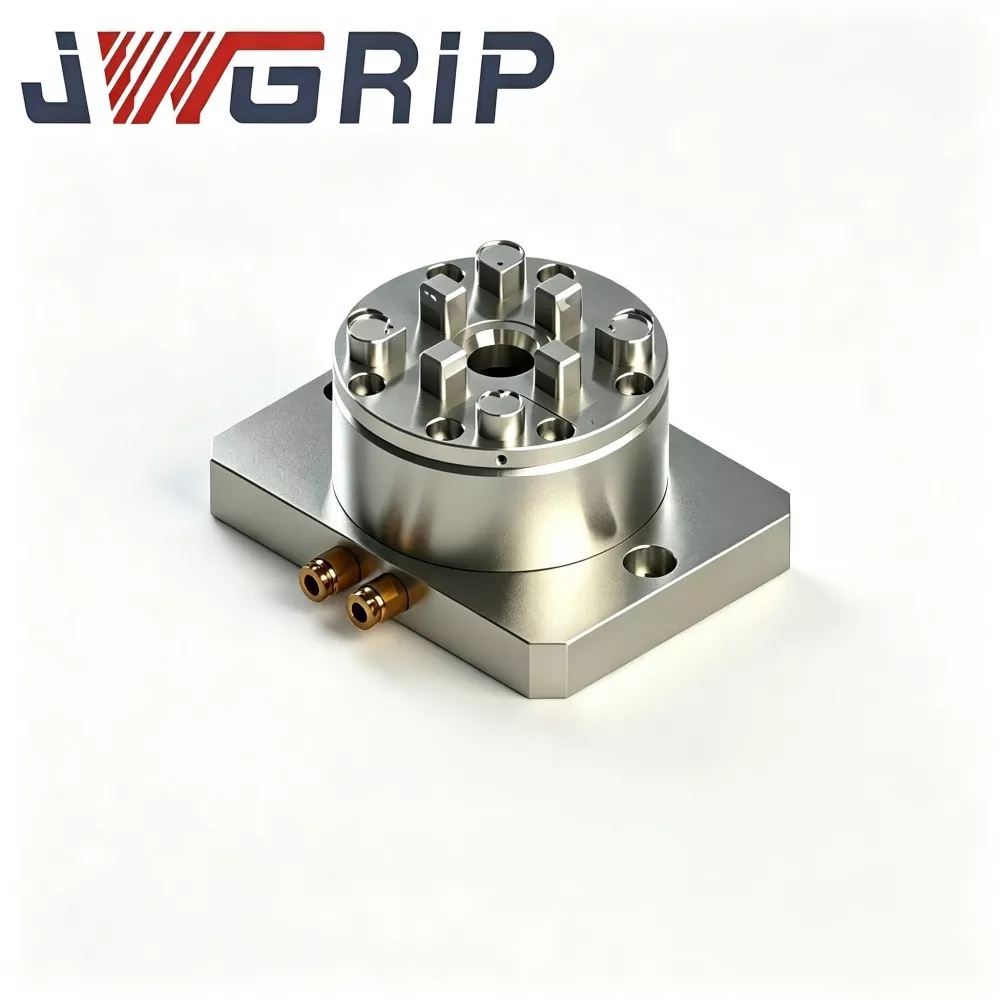
UPC Zero Point Pallet with Power Chuck: This integrated pallet unit embeds built-in powerful clamping components. Designed for direct robot grasping and placement, it removes extra intermediate adapters. It can be directly handed over by mechanical arms and locked in place without human touch, well suited for continuous batch-part processing under unattended conditions.
UPC Magnetic Zero Point Pallet: It adopts magnetic-assisted locating logic different from pure mechanical locking schemes. Magnetic pre-positioning holds the pallet in place before formal mechanical locking takes effect. This pre-position function effectively prevents pallet slipping or offset during high-speed robot movement and fast transfer actions. It performs remarkably well for thin-wall workpieces and light-weight fixture assemblies.
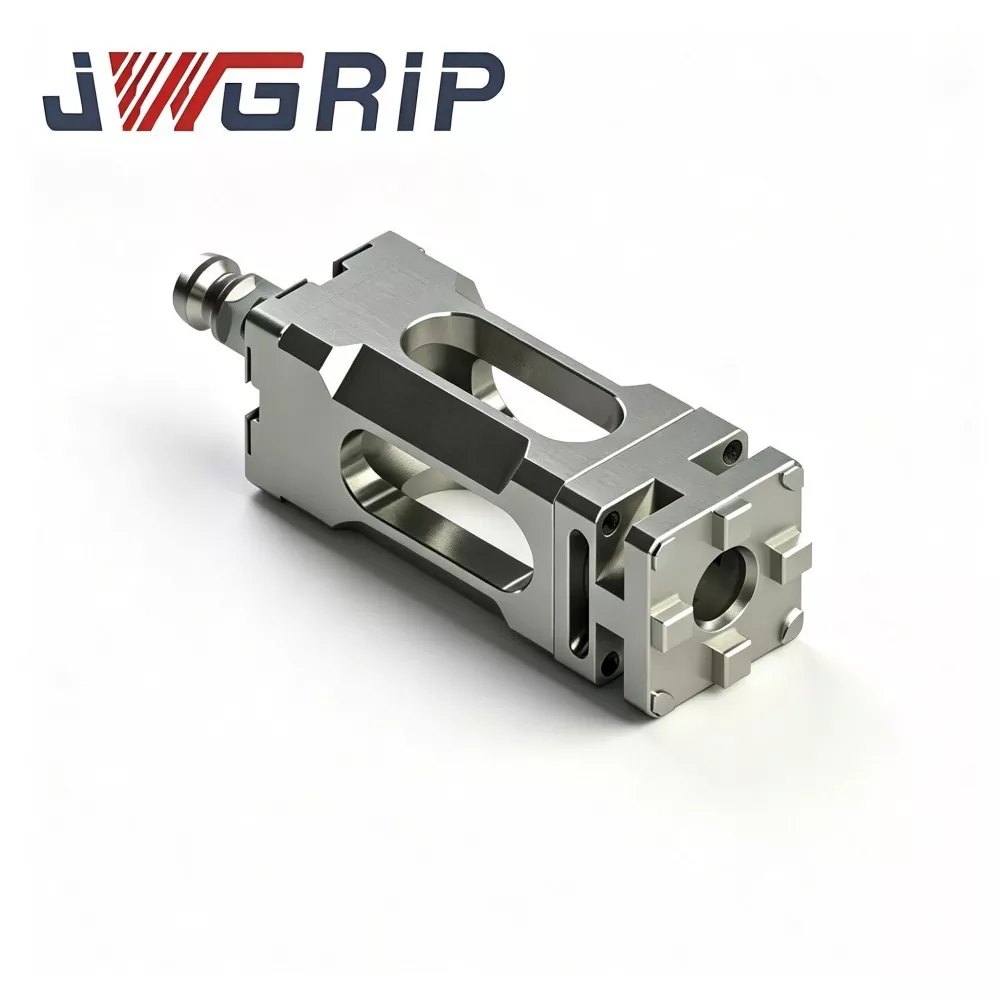
UPC Hinge Linkage Arm for Robot Quick Change Tool Changer: Serving as the mechanical executing end mounted on robot flanges, this linkage arm undertakes grabbing, lifting and transporting actions for target pallets. Its structural dimensions are precisely matched to the outer profile of UPC-series pallets, avoiding mis-grab and falling risks during high-speed robotic cycles.
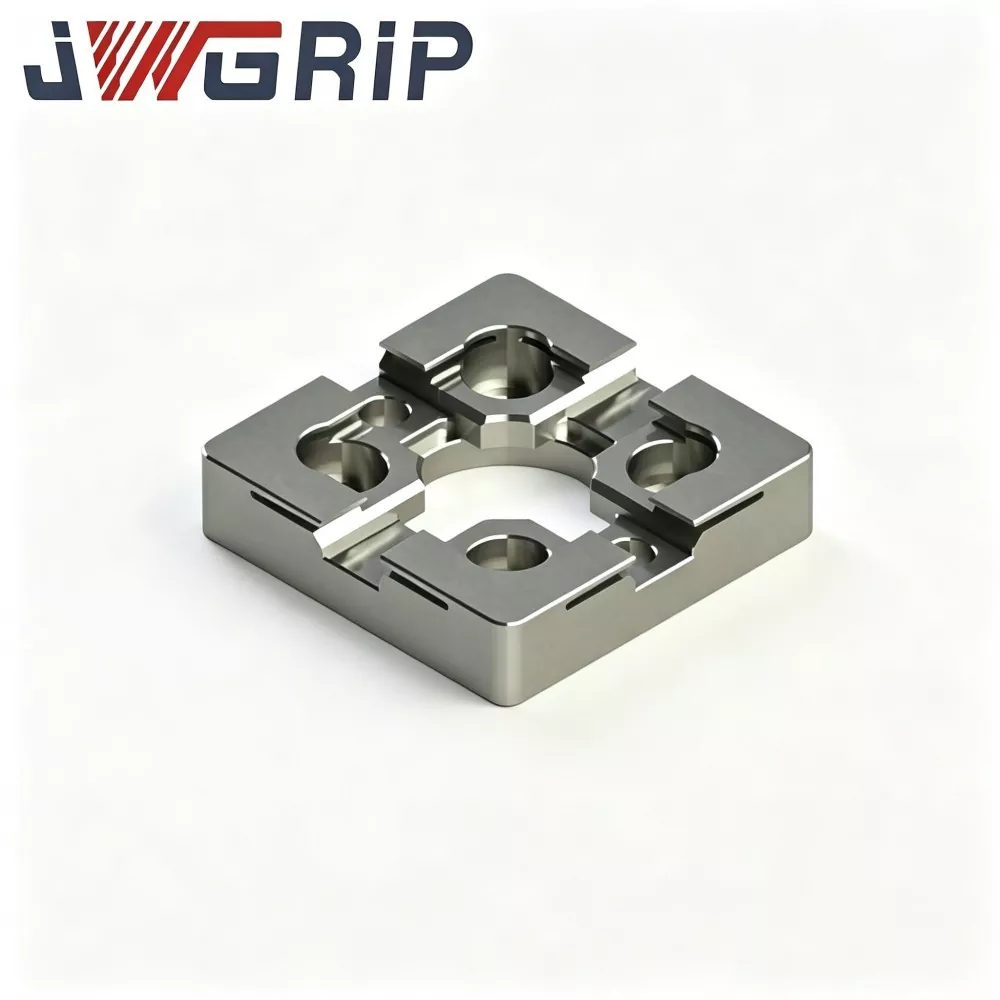
UPC Centering Segments for Zero Point Chucking System: These centering segments act as interchangeable positioning auxiliary components. They fine-tune datum tolerance when pallets and machine-side chucks interface, compensating minor assembly deviations generated during long-term workshop operation. They extend the usable service life of the whole locating set.
Preparations & Rules For Hybrid Loading Mode Switching
What preparations should be completed for mixed-mode switching?
Keep unified datum standards for both robot-served UPC pallets and manually operated pallets sourced from Zero Point Pallet Series. Identical pull-stud specifications guarantee physical interchangeability on the same machine-side chuck.
What operating rules need attention during mode switching?
When switching from robotic production to manual adjustment, operators do not need to disassemble or modify the machine-side chuck. They only replace UPC-series robot-oriented pallets with ordinary manually-loaded pallets. No re-probing or datum reset work is required.
What hidden risks should you watch out for in mixed-mode workflows?
Pay attention to weight limits of robot grasping. Workpieces and fixture total weight cannot exceed the rated load of the UPC Hinge Linkage Arm for Robot Quick Change Tool Changer. Over-loading will trigger positioning drift and mechanical deformation.
Performance Evaluation
Robotic repeat transfer accuracy: It is not merely the static positioning accuracy after locking. You also need to examine position deviation generated in the whole process of robot grabbing, lifting, moving and placing. Minor deviation during transfer will expand into obvious dimensional errors after multiple processing cycles.
Environmental adaptability of magnetic-assisted structures: For workshops filled with iron-based cutting chips, magnetic-type pallet models need effective chip-repelling designs to prevent iron scraps from adhering to magnetic surfaces and destroying locating flatness.
Mechanical-structure anti-impact performance: Robot-handed placing actions bring certain contact impact. Hardware structural strength must absorb frequent repeated impact without permanent deformation of locating reference faces.
Material and craftsmanship features
Main structural bodies adopt high-strength quenched alloy steel. Key locating contact surfaces go through multi-step precision grinding processes. Magnetic-type pallet assemblies pass repeated magnetic-force attenuation aging testing, to ensure magnetic pre-position capacity stays stable after thousands of working cycles.
All UPC Zero Point Positioning Series components maintain interface compatibility with Zero Point Clamping Chuck series. Factories do not have to discard existing machine-side chucks when introducing robot-capable pallets. Existing hardware assets can keep functioning in the new automated production layout.
Non-standard modification support covers grasping groove dimensions, magnetic-force intensity adjustment and linkage-arm mounting flange sizes, adapting to various mainstream robot-brand flange standards in the market.
Daily Maintenance
Robot-oriented locating hardware will not deliver full performance only by simple installation. Daily management must combine robot-motion parameter tuning, regular chip cleaning on magnetic surfaces and periodic inspection of linkage-arm joint clearance. Even high-grade modular hardware will produce hidden risks if routine maintenance steps are omitted. Many automation-project under-performance cases originate from neglected daily inspection rather than defects of hardware itself.
- View as
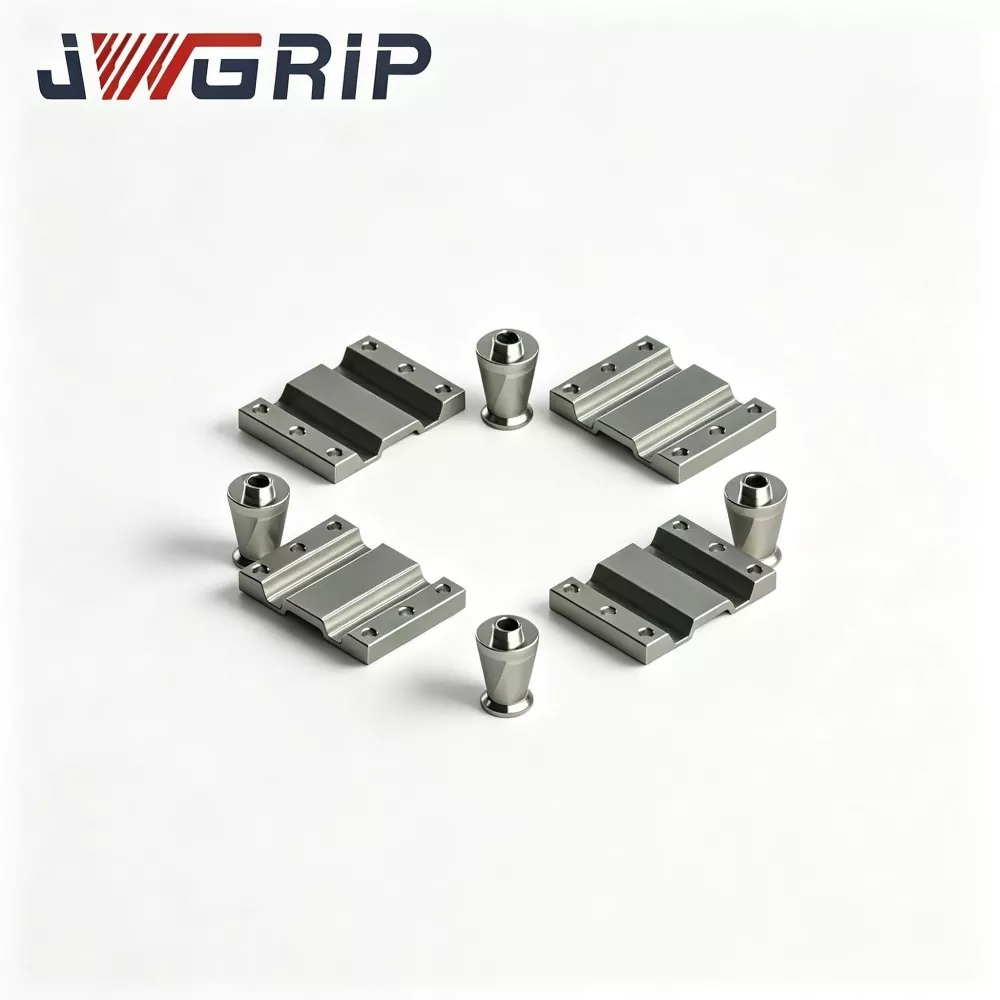
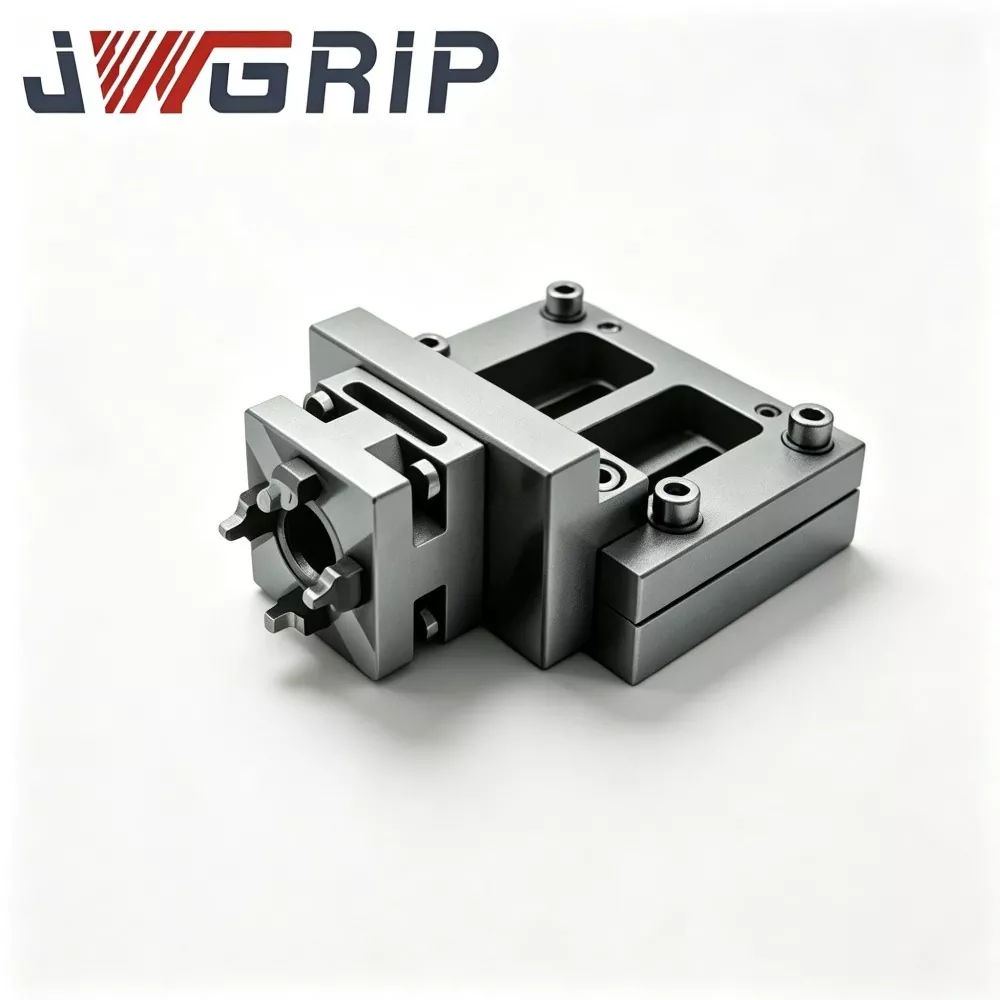
UPC Centering Segments for Zero Point Clamping System
JWGRIP is the professional manufacturer and supplier of Customized UPC Centering Segments for Zero Point Clamping System in China, with standard specifications fully in Stock. As essential supporting accessories professionally designed for UPC zero-point chucking systems, these centering segments serve as core matching and maintenance components for zero-point clamping units. Adopting high-hardness alloy steel materials and standardized precision processing technology, they can be directly adapted to all UPC standard zero-point chucks without extra auxiliary accessories, supporting standardized assembly and customized modification to meet diverse fixture matching and equipment upgrading demands.
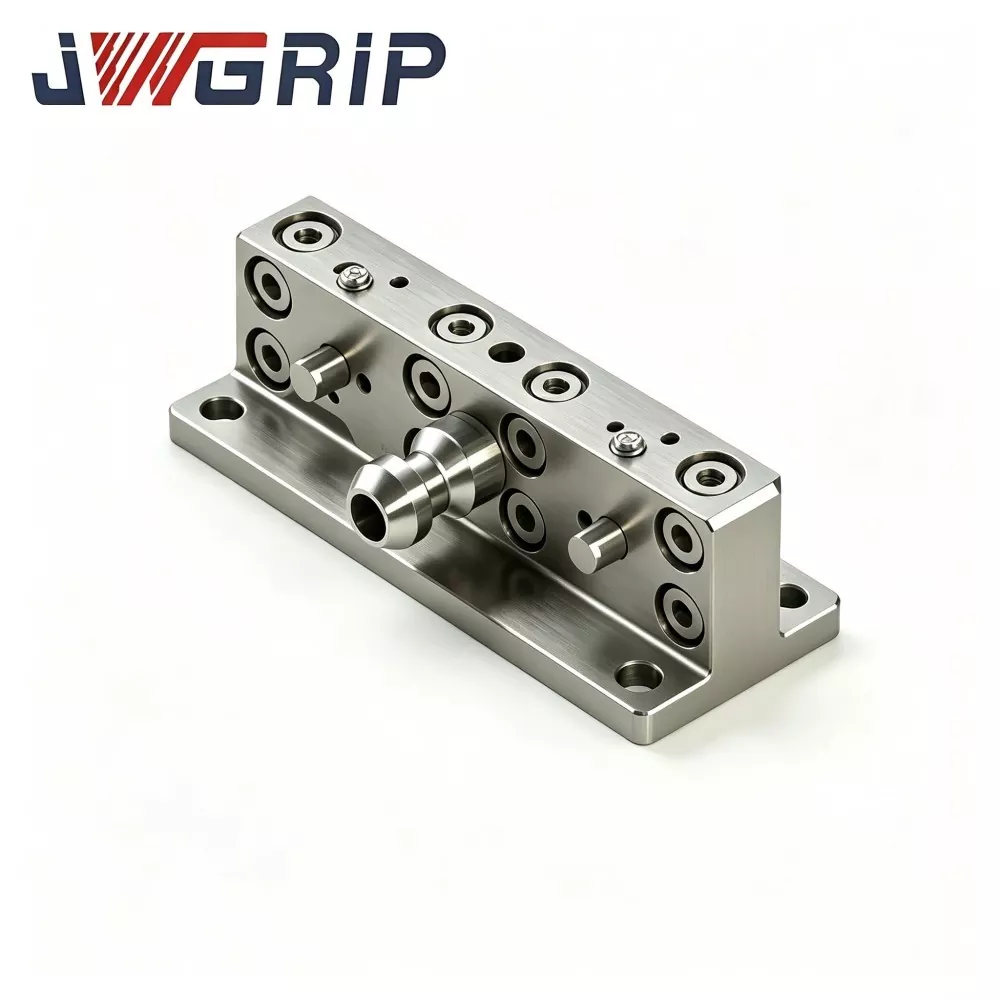
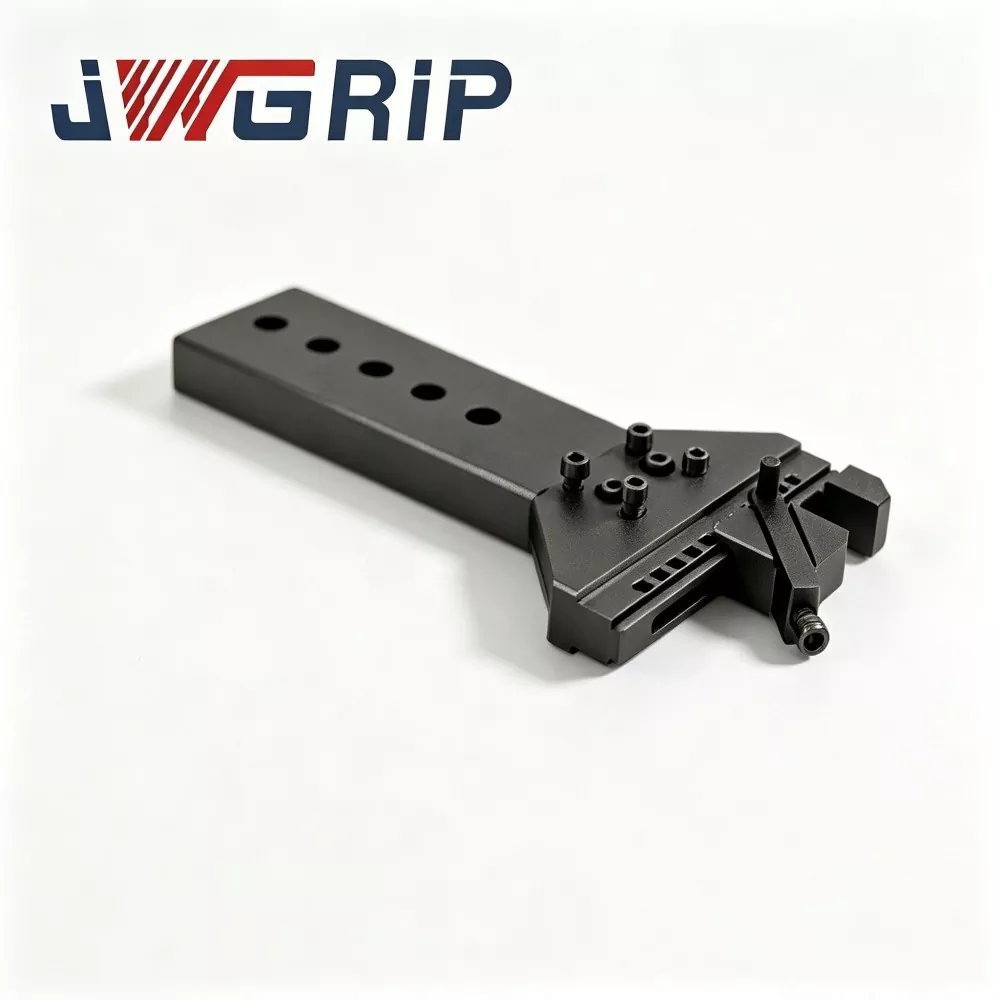
UPC Hinge Linkage Arm for Robot Quick Change Tool Changer
JWGRIP is a professional OEM Exporter of the UPC Hinge Linkage Arm for Robot Quick Change Tool Changer in China. It is a core structural connecting component specially designed for robot automatic fixture swap and unmanned CNC flexible production cells. Serving as the key force-transmission medium between robot end effector and UPC zero-point pallet sets, this optimized hinge linkage arm realizes mechanical locking and unlocking of zero-point pallets purely through robot axis motion, eliminating the need for additional pneumatic and hydraulic auxiliary driving devices.
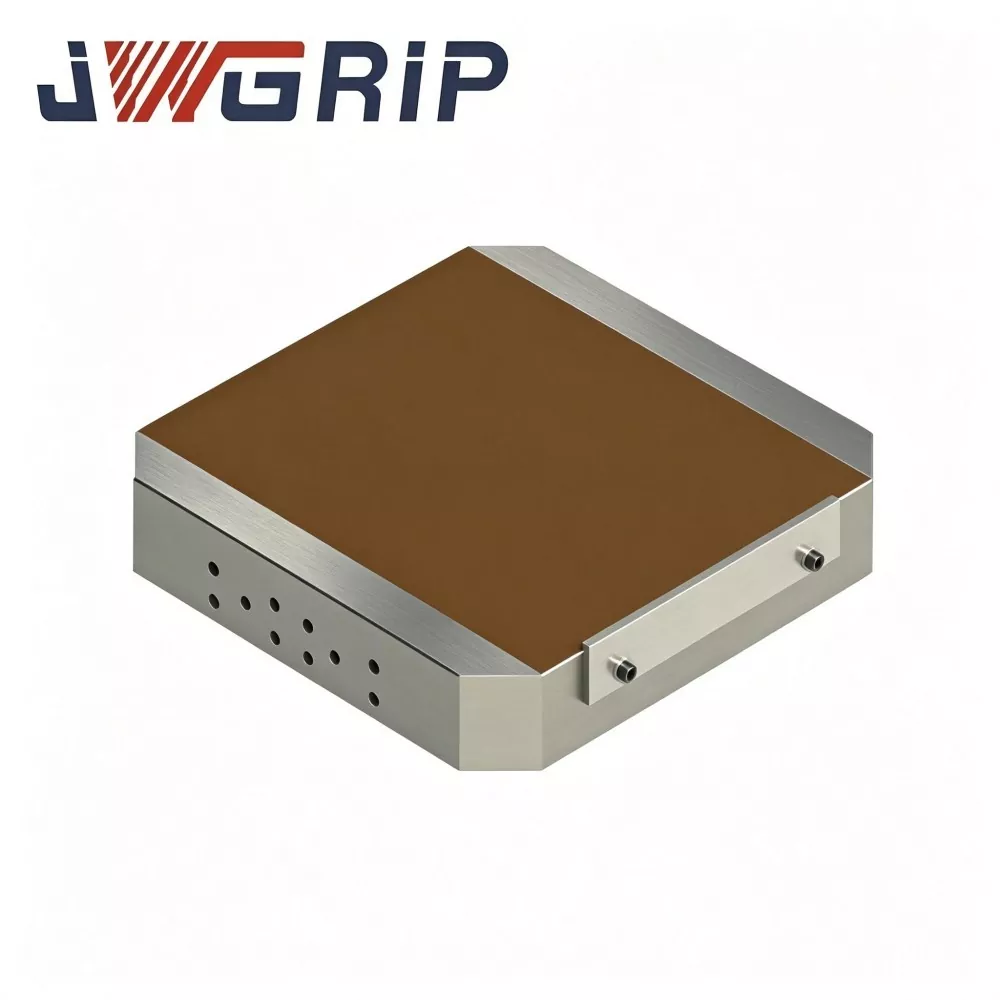
UPC Magnetic Zero Point Pallet
JWGRIP is a professional exporter and factory-direct wholesaler in China, supplying UPC Magnetic Zero Point Pallet and delivering custom high-efficiency clamping solutions for CNC milling, grinding and EDM workshops. This integrated pallet unit merges standard UPC zero-point quick-change positioning construction with a high-performance permanent-magnet chuck, breaking physical limits of traditional mechanical clamping jaws.
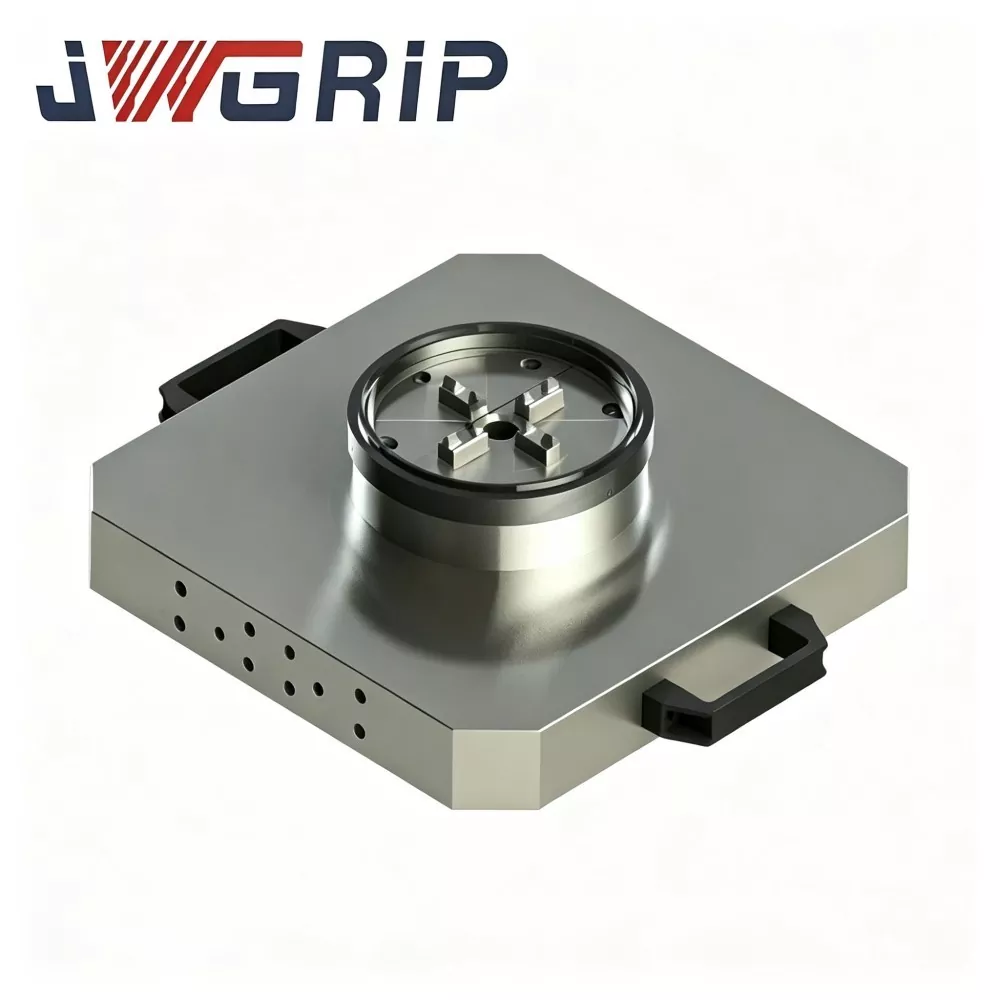
UPC Zero Point Pallet with Power Chuck
JWGRIP is the manufacturer and supplier of the professional UPC Zero Point Pallet with Power Chuck in China. It is a high-precision integrated clamping fixture tailor-made for modern turning-milling composite machines and vertical machining centers. This product innovatively integrates UPC-standard zero-point locking mechanism and power chuck into a monolithic pallet structure, eliminating the need for separate procurement and on-site assembly of zero-point base and independent chuck accessories.
JWGRIP is a professional UPC Zero Point Positioning Series manufacturer and supplier in China. We warmly welcome you to wholesale high quality products at competitive price from our factory.