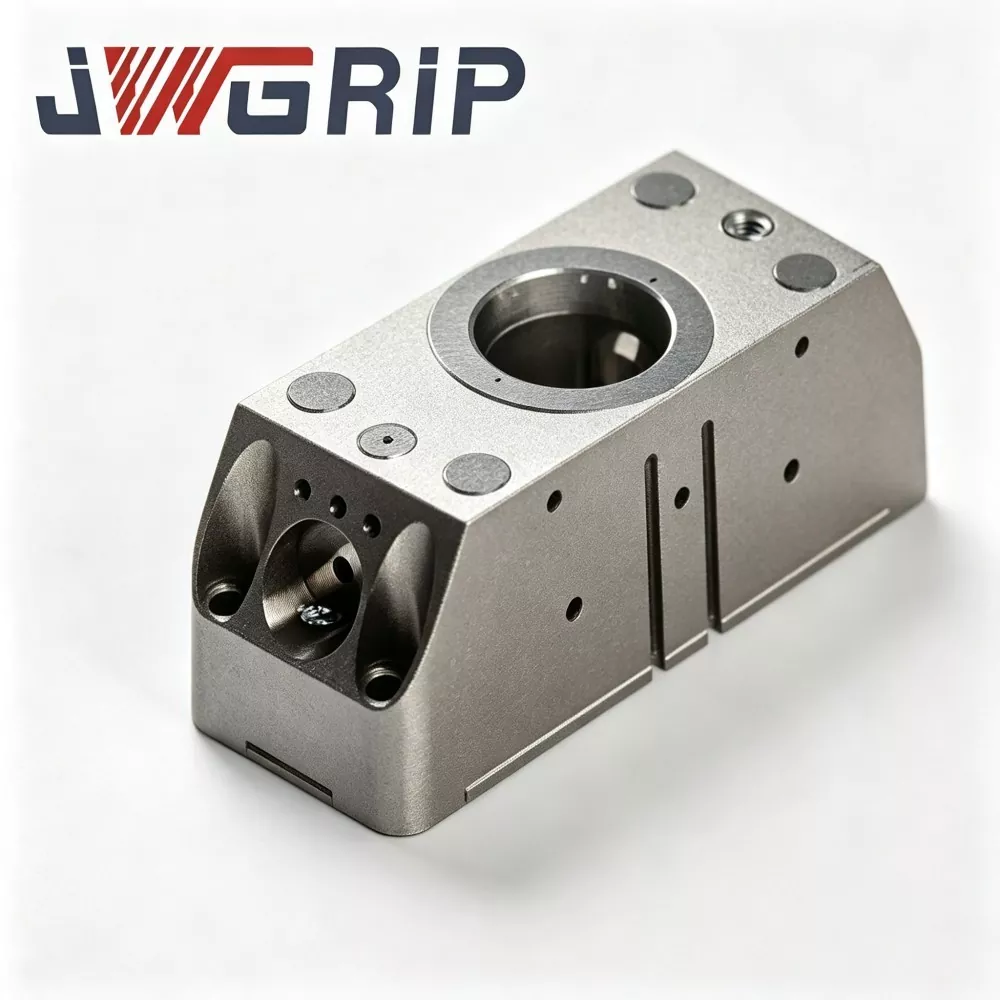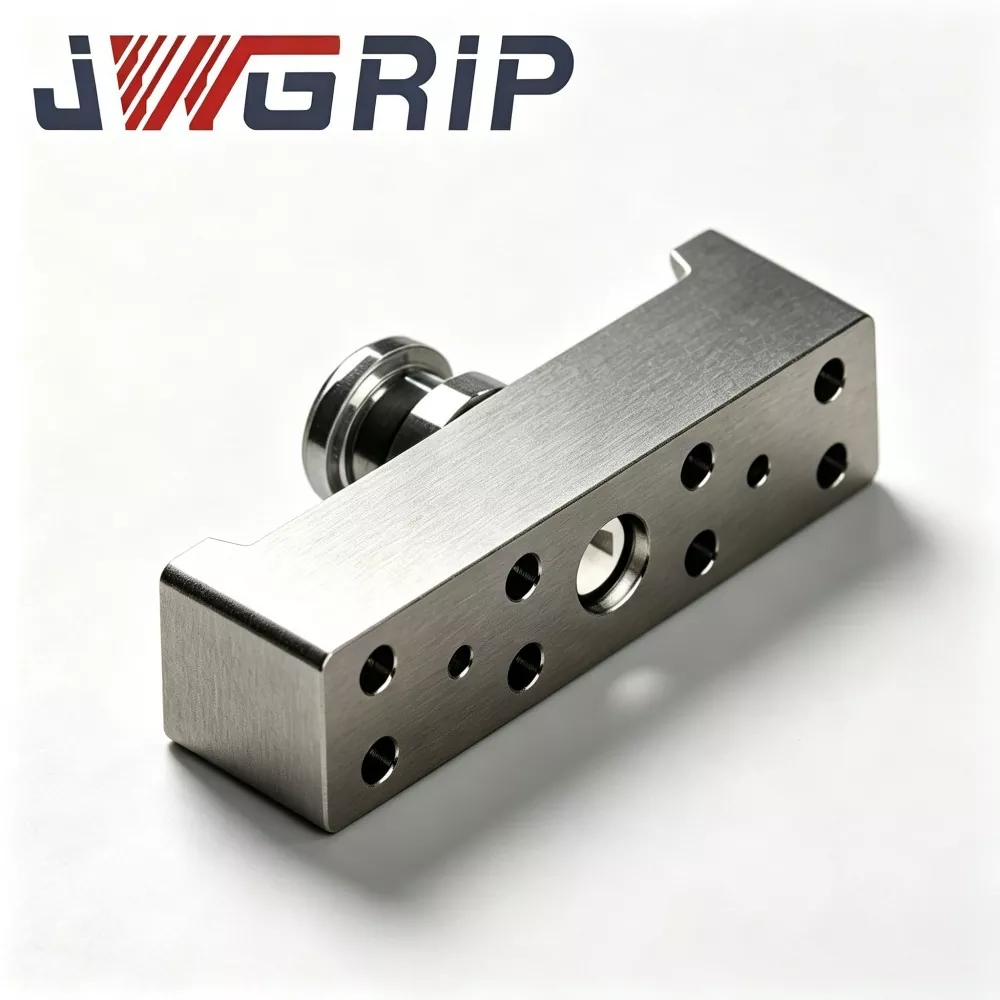
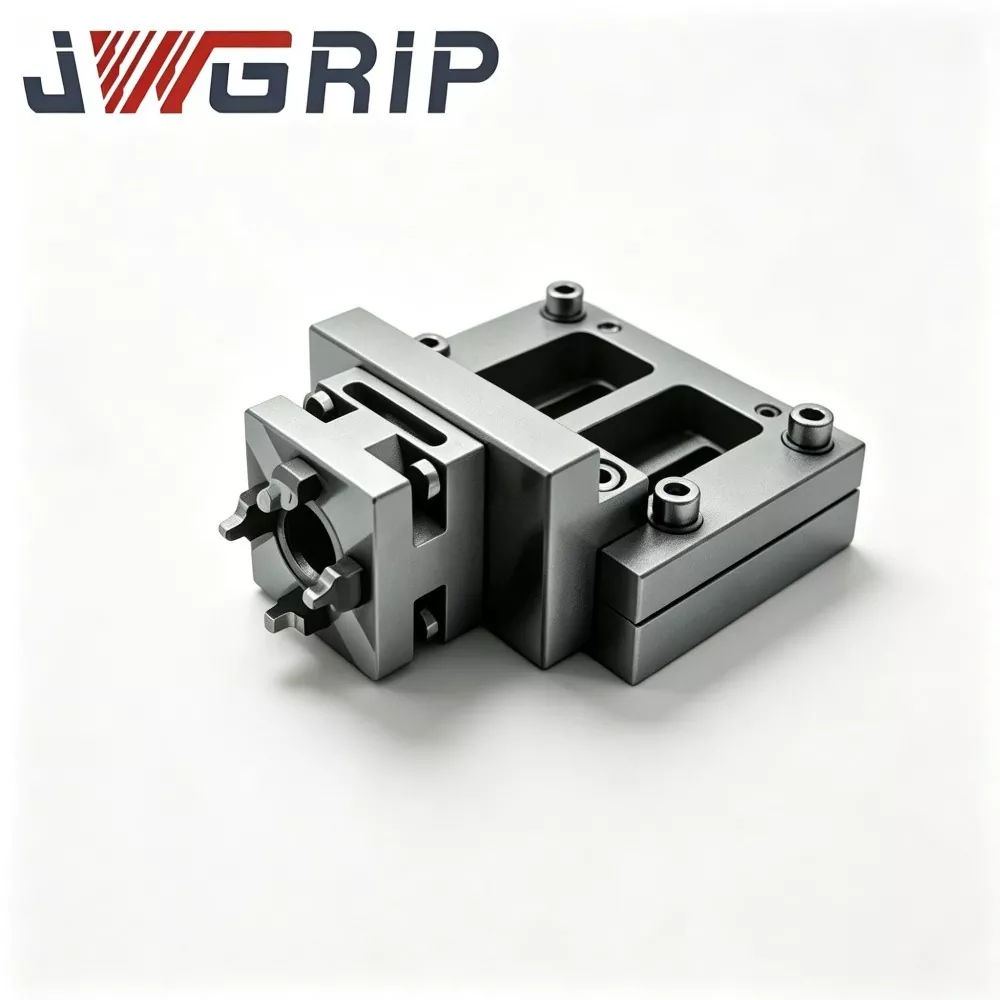
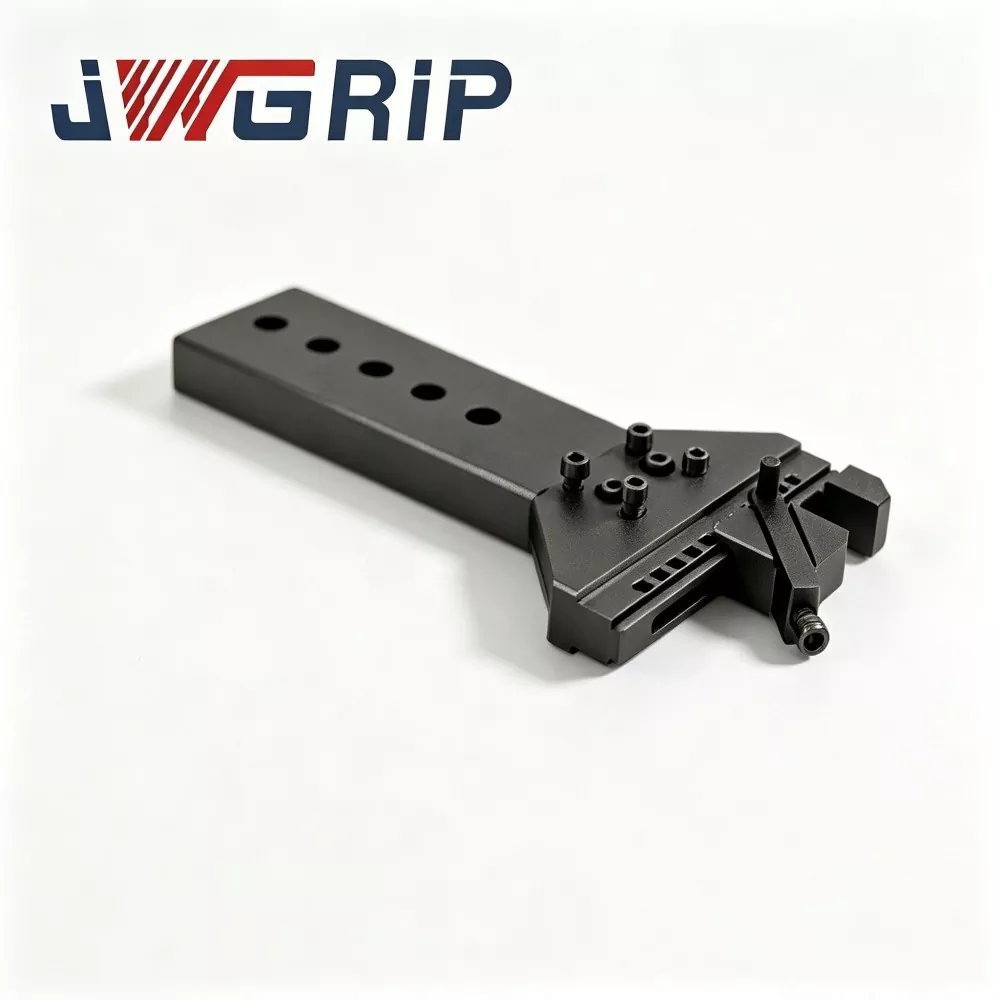
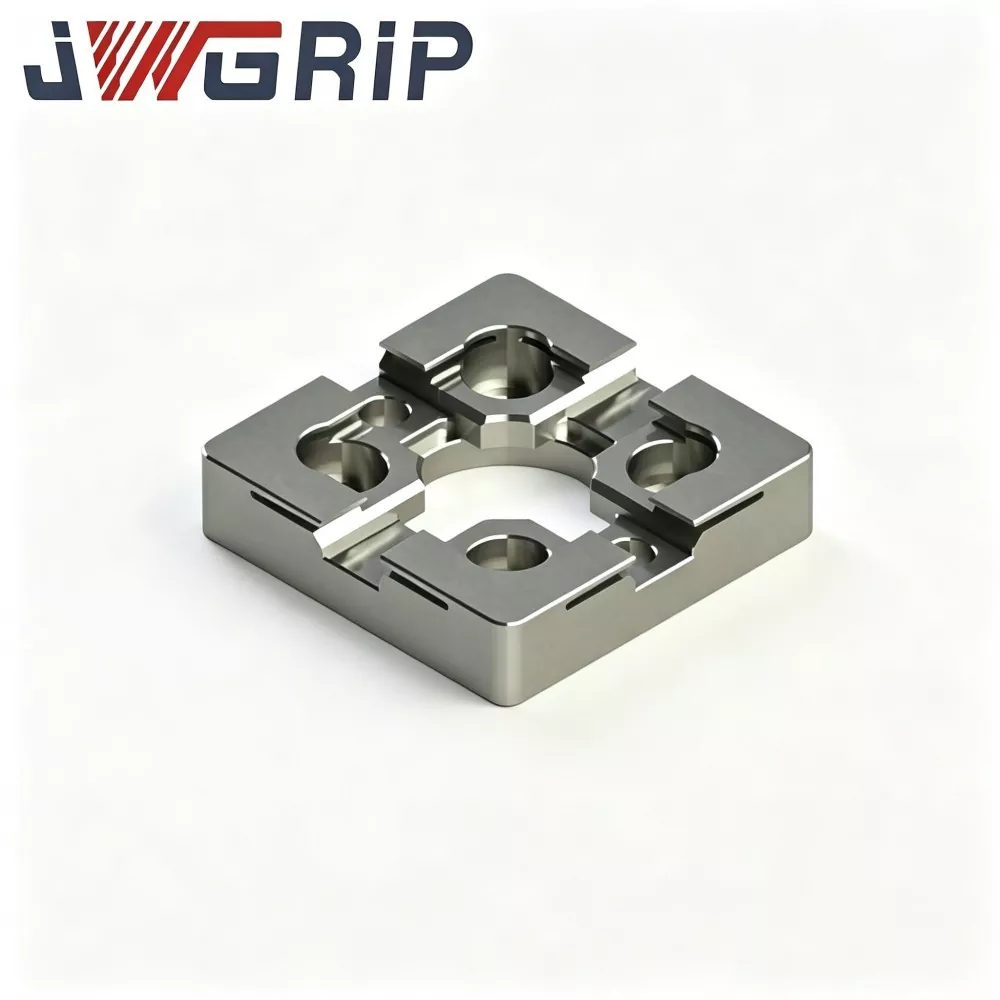
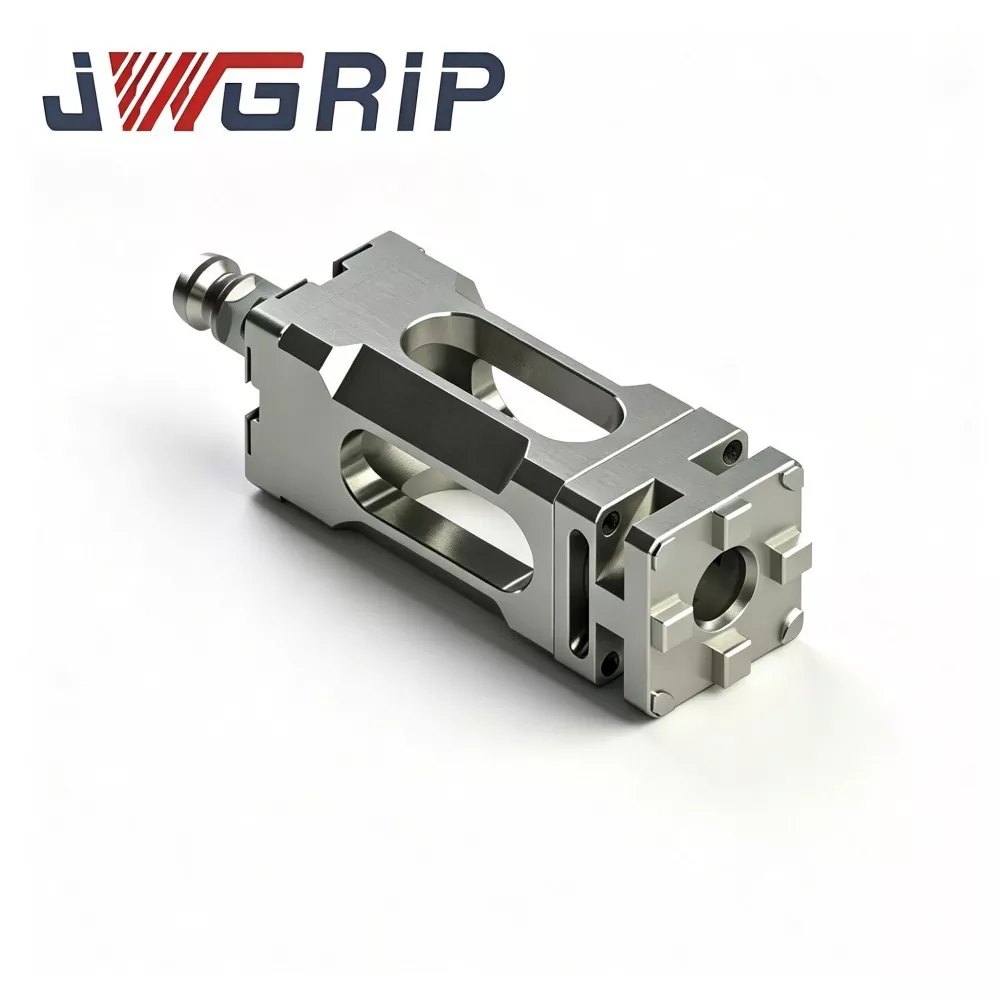
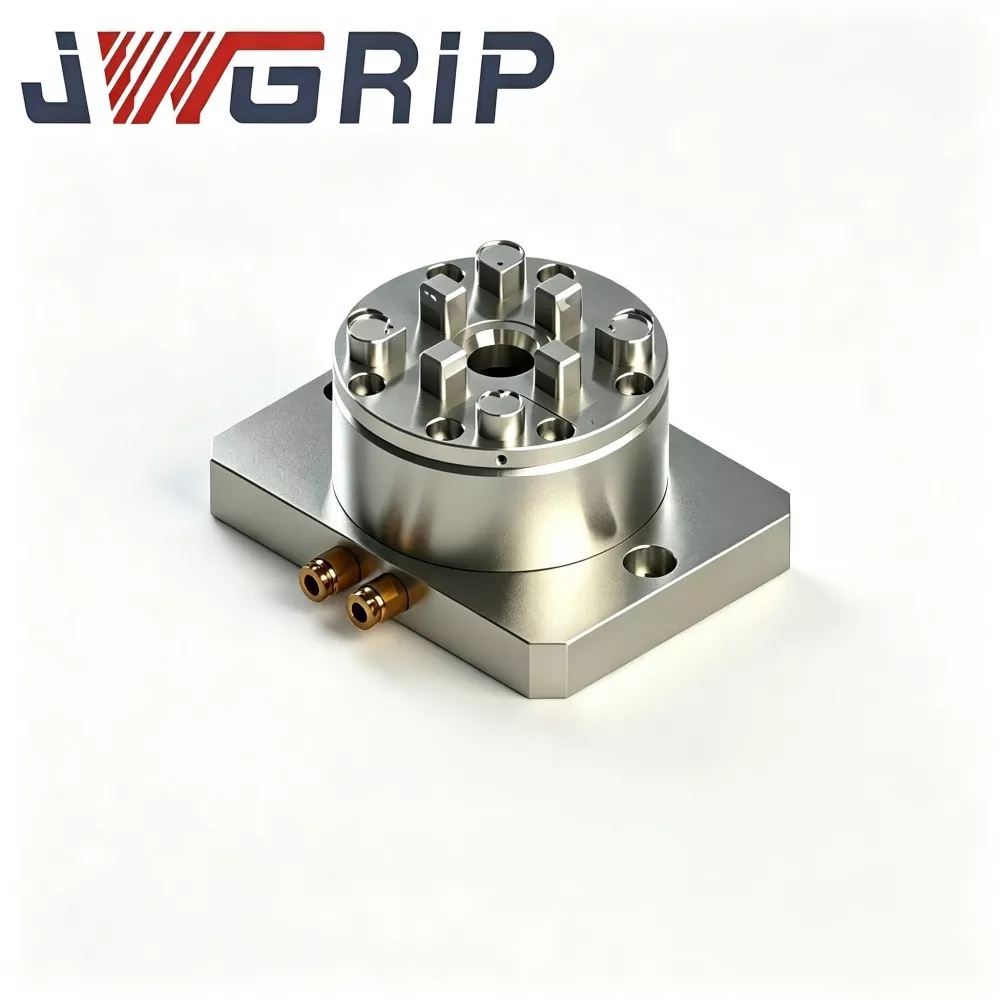
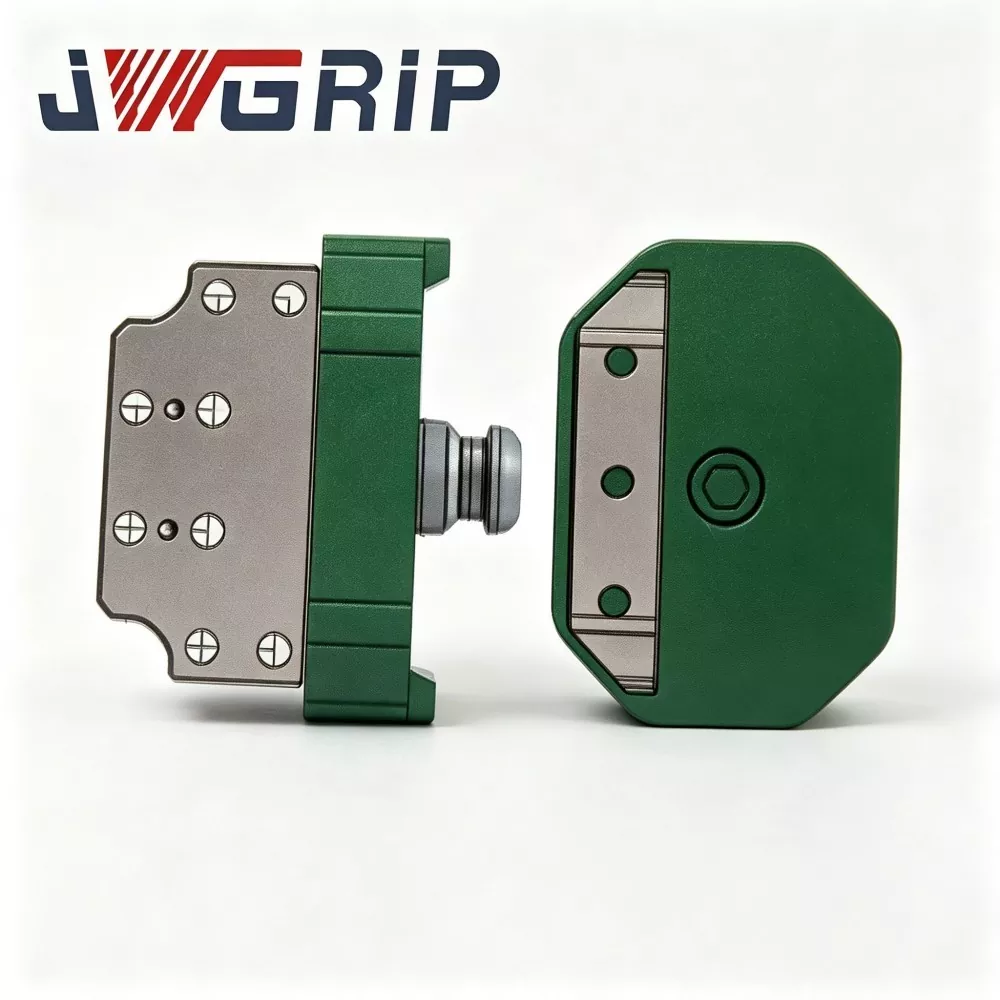
Robot Quick Change Gripper Tray Coupling
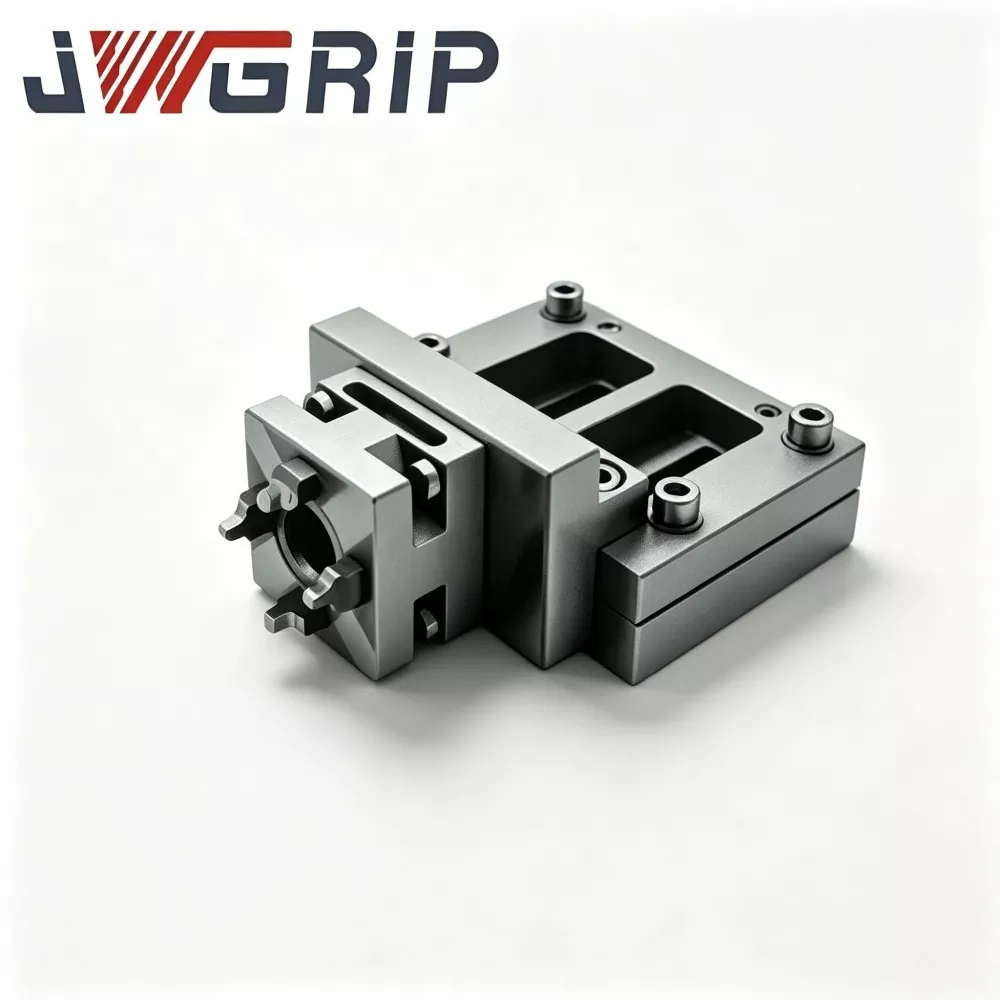
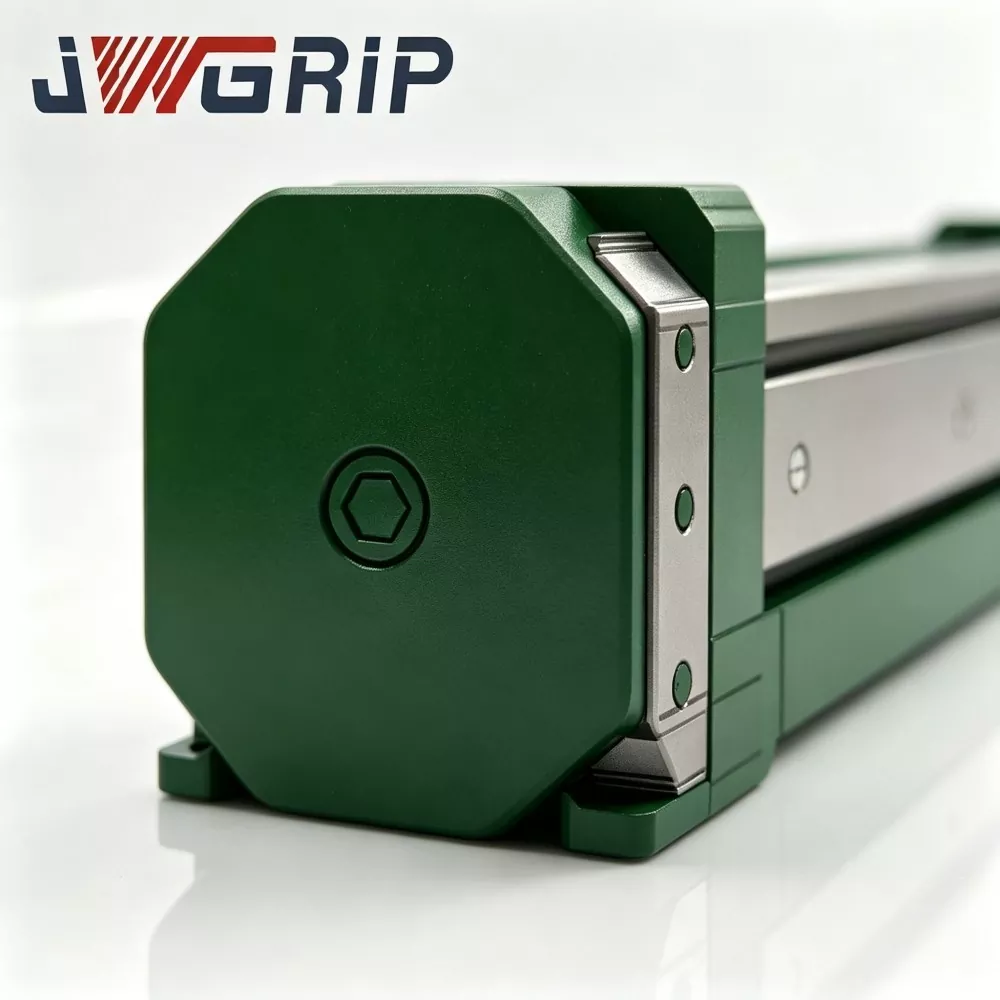
JWGRIP is the manufacturer and supplier of professional Robot Quick Change Gripper Tray Coupling in China. It is an advanced integrated robot end-effector switching component specially designed for flexible unmanned automated production lines. It integrates high-strength alloy steel structural configuration and precision grinding process into a single unit, realizing fully automatic robot tool switching without manual intervention during the replacement of grippers, trays and other end tools.
This high-performance Robot Quick Change Gripper Tray Coupling features ultra-low repeat positioning error, excellent anti-fatigue performance and ultra-long service life, and supports automatic locking and unlocking signal feedback to meet the intelligent operation requirements of unmanned production. Strictly manufactured through raw material inspection, CNC precision machining, professional heat treatment and surface hardening process, each coupling undergoes comprehensive finished product performance testing and continuous cyclic loading verification, complying with CE mechanical safety standards.
It delivers stable and consistent mechanical performance in long-term cyclic switching scenarios. Widely compatible with multi-brand industrial robot models, it is extensively applied in new energy battery assembly, 3C electronics manufacturing, auto parts assembly and intelligent logistics sorting workshops. Supporting professional technical drawing provision, on-site consultation and complete after-sales technical guidance, it effectively shortens the implementation cycle of robot flexible production line renovation projects for global industrial customers.
Core Working-Mechanism Introduction
Robot Quick Change Gripper Tray Coupling is a dedicated robot-end quick-swap interface component, mainly used for fast switching between robot gripper modules and material-carrying tray modules.
Without this coupling, every swap between tray and gripper requires production-line halt, manual bolt-removal, datum adjustment and coordinate calibration. A single tool-change may consume 10-30 minutes and greatly reduce the Overall Equipment Effectiveness (OEE) of automated lines.
The coupling consists of two core assemblies:
1. Robot-side base (master side):Permanently fixed to robot-flange.
2. Tool-side adapter (slave side):Separately mounted on each gripper and each tray.
Working flow:
1. Robot moves to docking station and brings robot-side base close to target tool-side adapter (gripper or tray).
2. Compressed air drives built-in mechanical-lock teeth to engage, completing mechanical locking.
3. High-precision locating-pins and locating-holes realize accurate repeated positioning. Built-in pneumatic passages automatically connect tool-side gas circuits for vacuum or pneumatic-gripper supply.
4. Internal sensor feeds real-time locking-status signal back to robot control system. Robot executes subsequent handling tasks only after receiving “locked-in-place” confirmation signal, preventing accidental workpiece dropping caused by incomplete locking.
5. When tool-swap is required, robot outputs unlocking signal; air-circuit releases pressure; mechanical-lock-teeth disengage; robot moves away from current tool and docks with next target end-effector.
Most off-the-shelf general-purpose quick-change discs lack structural optimization for mixed tray-gripper alternating-load conditions. Tray tooling generates large-area eccentric load while compact grippers deliver concentrated load; repeated alternation accelerates datum-surface abrasion. Drawing on hundreds of robot-station-retrofit project experience, JWGRIP optimizes load-bearing distribution and datum-protection construction of this coupling to sustain long-term positioning stability under alternating eccentric-load and concentrated-load cycles.
Typical Operational Pain-Points Analysis
Factories deploying multi-tool mixed handling (tray + gripper) via industrial robots usually encounter the following bottlenecks with ordinary quick-change solutions:
1. Long manual tool-change downtime Frequent bolt disassembly / assembly, datum adjustment and coordinate recalibration occupy large share of production time, reduce OEE and restrain output capacity of automated stations.
2. Position-accuracy fluctuation induced by human operation Manual alignment quality depends heavily on operator proficiency. Position deviation accumulates after multiple tool-replacement cycles and impairs assembly consistency.
3. Safety risks in manual tool-swap scenarios Manual intervention near moving robot-end creates collision-injury hazards during repeated tool-change operations.
4. Premature datum-surface wear under alternating-load conditions General-purpose quick-change discs are designed for single-type end-effectors. Alternation between large-eccentric-load trays and concentrated-load grippers accelerates locating-surface abrasion, leading to declining repeat-positioning accuracy and frequent maintenance.
5. Insufficient signal-feedback safety-mechanism Some low-cost quick-change units lack real-time locking-status feedback. Robot may execute movement under incomplete-locking conditions and trigger workpiece-dropping accidents.
JWGRIP Robot Quick-Change Gripper-Tray Coupling addresses above-mentioned pain-points through five core design measures: dedicated mixed-load-optimized load-bearing-structure, mechanical-interlock anti-drop mechanism, real-time lock-status sensor feedback, modular-replaceable wearing-parts, multi-grade-rated-load-product-matrix covering 3-120 kg.
Module Composition
JWGRIP Robot Quick Change Gripper Tray Coupling consists of six key functional modules:
① Robot-side master-base assembly
② Tool-side slave-adapter assembly
③ Mechanical-interlock lock-tooth group (anti-drop safety structure)
④ High-precision locating-pin & locating-hole positioning set
⑤ Integrated built-in pneumatic-passage assembly
⑥ Lock-status detecting sensor & signal-output unit
Structural Description
1. Robot-side master-base assembly Main mounting base fixed onto robot-flange; high-strength alloy-steel, stress-relief treated and precision-ground key mating-datum surfaces. It bears composite dynamic loads transmitted from tool-side end-effectors.
2. Tool-side slave-adapter assembly Tool-end connecting plate, separately installed on each gripper and each tray. Matches master-base in docking dimension, datum-surface and gas-circuit interface.
3. Mechanical-interlock lock-tooth group Pneumatically-actuated mechanical-lock-teeth. Realizes positive mechanical engagement after docking. Even if pneumatic supply fails accidentally, mechanical interlock keeps locked state to prevent tool dropping, fulfilling CE-compliant passive-safety protection.
4. High-precision locating-pin & locating-hole positioning set Precision-ground locating-pins and locating-holes guarantee repeat-positioning performance ≤±0.008 mm after each docking. Specially-optimized load-bearing bushing slows wear caused by alternating eccentric-load / concentrated-load cycles.
5. Integrated built-in pneumatic-passage assembly Built-in sealed gas-circuit channels inside master and slave sides. Automatically completes pneumatic connection during docking, supplying compressed-air for pneumatic grippers or vacuum-trays without extra external tubing layout.
6. Lock-status detecting sensor & signal-output unit On-board sensor detects actual mechanical-lock engagement condition and outputs switch-signal toward robot-PLC system. Robot movement logic can be configured to permit motion only upon receiving “fully-locked” confirmation signal.
Core Technical Advantages
1. Mixed-load-optimized structure for tray-gripper alternating-swap scenarios
Most market-available quick-change discs target single-category end-effectors. This coupling reinforces load-bearing ring and locating-pin bushing structure for frequent alternation between large-area trays and compact grippers. It mitigates datum-surface abrasion under alternating eccentric-load and concentrated-load conditions. Verified by field projects: over 1 million stable docking cycles under rated-load 24-hour cyclic-production.
2. ≤±0.008 mm repeat-positioning accuracy for assembly consistency
Adopts high-precision alloy bearing-sleeves and grinding-finished locating-pins. After tray-gripper swap, robot-program coordinates do not require large-scale recalibration, drastically reducing on-site engineer debugging workload. Critical for high-precision scenarios such as new-energy battery-cell stacking and 3C component assembly.
3. Dual-safety design: mechanical self-interlock + electrical lock-status feedback
Passive mechanical-interlock holds locking state upon accidental air-supply loss to avoid sudden tool separation. Robot-controller can only execute motion after receiving “fully-locked” electrical feedback signal. This CE-certified dual-safety mechanism eliminates major safety-hazards for unmanned workshops.
4. Modular wearing-part architecture for low-cost maintenance
Key consumable components including locating-pin sleeves and sealing-rings adopt split-modular design. Users can replace only local wearing-parts without dismounting main master-base from robot-flange. Shortens equipment-downtime and lowers long-term maintenance expenditure. Spare-part kits can be supplied together with main-unit quotation.
5. Broad-range rated-load matrix & multi-robot-brand compatibility
Stock-product rated-load covers 3 kg-120 kg. Mounting-flange dimensions follow mainstream robot-industry standards, compatible with ABB, FANUC, KUKA, YASKAWA and domestic Chinese robot brands. Supports connection with vacuum-trays, mechanical-grippers, pneumatic-jaws and other end-effectors. Custom-engineered flange, load-rating or sealing-structure modification is available for special-requirements.
6. Full-in-house manufacturing & complete engineering-support service
Core processes including raw-material screening, heat-treatment, precision-machining and finished-product cyclic-testing are completed inside JWGRIP factory, no core-process outsourcing. Engineering team provides 2D/3D drawings, installation manuals and parameter-setting suggestions for end-users.
Multi-Industry Application Scenarios
1. New-Energy Battery & Energy-Storage Module Assembly Lines
In lithium-ion battery-module workshops, one robot needs to alternate between vacuum suction tray for module transportation and mechanical gripper for fixture-tightening tasks. JWGRIP coupling realizes unmanned automatic tool-swap. Tool-change duration drops from manual 15 minutes down to automatic 3 seconds, sharply cutting production-line downtime caused by tool replacement. Multiple energy-storage-equipment manufacturers in South-China have adopted this solution.
2. 3C-Electronic-Product Assembly Production Lines
For mobile-phone component and notebook-shell assembly stations, light-load grade (3-10 kg) coupling cooperates with small-size material-trays and miniature pneumatic-grippers. High-precision docking avoids assembly-deviation induced by tool-change, supporting high-speed continuous assembly of precision electronic components.
3. Automotive-Component Automated-Assembly Workshops
Auto-part production requires robots to handle both bulk-material trays and positioning clamping grippers. Medium-to-heavy-load grade (25-120 kg) coupling undertakes frequent tool-swap assignments.
4. Intelligent-Logistics Automated-Sorting Stations
At automated-material-sorting workshops, robot alternates between whole-box transport-tray and single-piece picking-gripper. One robot realizes multi-functional operation, lowering total investment of automated-sorting systems.
Production Workflow & Quality-Control Framework
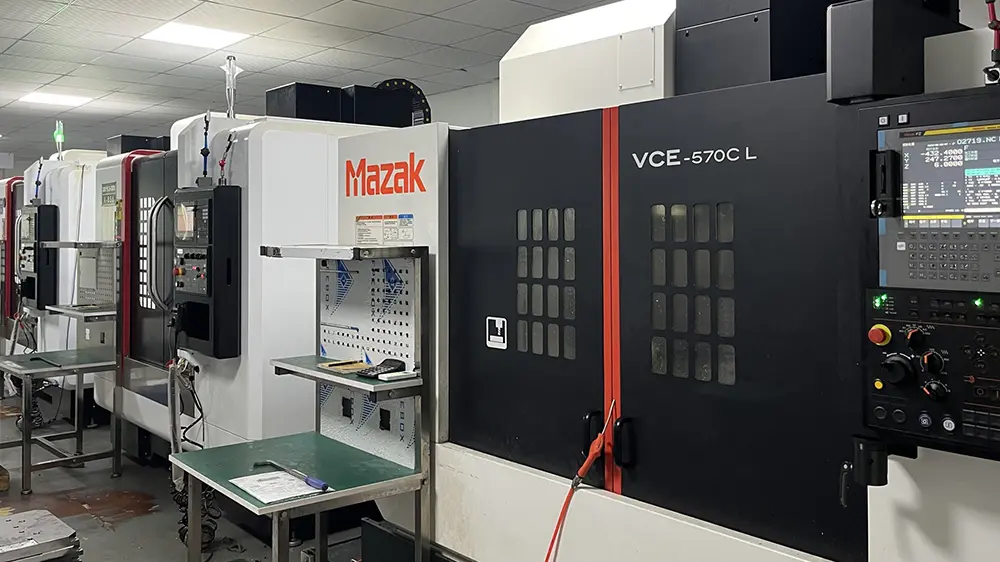
JWGRIP implements ISO 9001:2015 quality-management-system across the whole production chain. In-house equipment includes CNC machining centers, high-temperature heat-treatment furnaces, precision grinding machines, metallographic inspection instruments, comprehensive cyclic-load test-benches and salt-spray-testing facilities. All core-component machining is finished internally instead of sourcing finished outsourced-parts.
Complete production workflow:
1. Raw-material incoming inspection:Alloy-steel bar material receives chemical-composition analysis and hardness testing; non-conforming raw-materials get rejected before entering production.
2. CNC rough-machining & finish-machining:Shaping main-body, locating-pin housing and lock-tooth components via high-precision CNC equipment.
3. Vacuum heat-treatment & surface-hardening:Key load-bearing components go through quenching-and-tempering to upgrade hardness and anti-wear performance.
4. Precision-grinding processes:Critical datum-surfaces and locating-pin holes receive fine grinding to meet strict dimensional-tolerance and surface-roughness requirements.
5. Component assembly & pneumatic-circuit commissioning:Assemble lock-teeth, sealing-elements and sensor-units; execute internal gas-circuit air-tightness test.
6. Full-function cyclic-load testing:Every finished coupling runs thousands-times locking-unlocking cyclic-simulation under rated-load condition; verify repeat-positioning accuracy, air-tightness and signal-feedback reliability; non-qualified units are returned for rework.
7. Final-inspection & laser marking:Dimension-check, appearance-inspection, certification marking; qualified products enter finished-goods warehouse for stocking.
Maintenance Guidance
1. Daily visual-inspection:Before each production-shift, visually check datum-surfaces, lock-tooth working area and sealing-rings for chips, dirt or mechanical-impact damage. Clear foreign contaminants with dry compressed-air.
2. Cyclic-count-based maintenance trigger:Under 24-hour continuous-production, inspect locating-pin sleeves and sealing-rings every 300 000 docking cycles. Clean datum-surfaces and apply anti-wear grease. Replace consumable-parts if scratch or obvious-wear appears. Shorten maintenance interval for heavy-dust workshop environment.
3. Do-not-operate reminders:Prohibit over-rated-load application. Forbid violent collision between master-base and slave-adapter. Do not disassemble internal mechanical-lock-tooth assembly without professional-technical-guidance.
4. Long-term idle-storage protection:Clean whole coupling unit, apply anti-rust grease on datum-surfaces and lock-tooth surfaces; store in dry dust-proof cabinet.
After-Sales
1. Remote online-technical guidance covering installation, commissioning and on-site fault-troubleshooting.
2. Full-set operation-maintenance documentation supplied for every purchasing-order.
3. Engineering-level technical consultation for OEM-custom-projects: flange-dimension modification, sealing-structure upgrade, special-load-rating adaptation etc.
4. Negotiable paid on-site-technical-service available for large-volume project-based orders.
5. Independent spare-part supply for locating-pin sleeves, sealing-rings and other wearable components, supporting field-replacement by customer-side technicians.
6. Warranty description:2-year warranty for non-consumable main-structural-components under correct-installation and rated-load-working-conditions. Consumable wearing-parts (sealing-rings, locating-pin-sleeves) are excluded from free-warranty scope. Damage caused by improper-mounting, overload-operation, man-made-collision or chemical-corrosion beyond specification is not covered by warranty.
Procurement & Project-Evaluation Reference
Core value of JWGRIP Robot Quick Change Gripper Tray Coupling:purpose-optimized mixed-tray-gripper alternating-load-bearing-structure, ≤±0.008 mm repeat-positioning-accuracy, mechanical-interlock + electrical-signal dual-safety-mechanism, modular-replaceable wearing-parts, multi-grade-load-matrix and OEM custom-engineering capability. It solves key automation-station bottlenecks:long manual tool-change downtime, human-induced positioning-deviation, safety-hazards of manual intervention, accelerated datum-wear under alternating-eccentric-and-concentrated-load, incomplete locking-safety-protection.
Project-evaluation reminders:
1. Confirm actual robot-flange dimension and required rated-load (consider dynamic impact-load, not merely static weight of end-effector). Reserve adequate safety-margin.
2. Clarify tool-swap-objects: list quantity of grippers and trays which need to be equipped with tool-side slave-adapters.
3. Verify workshop compressed-air-source quality and pressure-stability; recommend air-filter pressure-regulator combination if pressure fluctuates severely.
4. Confirm robot-PLC IO-resource condition for lock-status-signal reception. JWGRIP provides free electrical-interface-documentation.
5. Standard stocked versions realize fast delivery; adopt OEM custom-engineering service for special-flange, special-sealing-grade or special-load-rating requirements.
FAQ
Q1: Can this coupling complete fully-automatic tool-swap without manual work?
Yes. Robot Quick Change Gripper Tray Coupling receives pneumatic-control signal from robot-system and automatically finishes locking / unlocking. Tool-swap logic can be integrated inside robot program. Note that you need to configure corresponding tool-storage-rack to hold idle grippers and trays.
Q2: Is coordinate recalibration required every time after swapping tray and gripper?
This coupling achieves ≤±0.008 mm repeat-positioning-accuracy under correct-installation condition. Large-scale coordinate recalibration is unnecessary; minor fine-tuning is acceptable during first-time commissioning.
Q3: Can it adapt to non-standard custom robot-flange dimensions?
Stock-standard-version matches mainstream robot-flange specifications. For non-standard-flange requirements, submit drawing before order placement; OEM custom-machining of mounting-interface dimension can be realized.
Q4: What happens if compressed-air supply cuts off during robot-motion?
Built-in mechanical-self-interlock-structure keeps lock-teeth engaged even without air-pressure, preventing tool-dropping accidents. Unlocking action can only happen when unlocking-signal AND valid air-pressure are both present.
Q5: What are key maintenance items for long-time continuous-cyclic-production?
Main work: clean datum-surfaces and lock-tooth area; inspect sealing-rings and locating-pin-sleeves by cyclic-count; replenish anti-wear grease; replace consumable-parts once obvious-wear appears. Shorten maintenance-cycle for high-dust workshops.
Hot Tags: Robot Quick Change Gripper Tray Coupling, China, Manufacturer, Supplier, Factory
Send Inquiry
Contact Info
-
Address
No. 44, Daning Entrepreneurship Road, Humen Town, Dongguan City, Guangdong Province, China
-
Tel
-
Email
Welcome to send inquiry to JWGRIP. Our professional technical and sales team will provide free fixture selection, customized solution design and accurate quotation.