English
- English
- Español
- Português
- русский
- Français
- 日本語
- Deutsch
- tiếng Việt
- Italiano
- Nederlands
- ภาษาไทย
- Polski
- 한국어
- Svenska
- magyar
- Malay
- বাংলা ভাষার
- Dansk
- Suomi
- हिन्दी
- Pilipino
- Türkçe
- Gaeilge
- العربية
- Indonesia
- Norsk
- تمل
- český
- ελληνικά
- український
- Javanese
- فارسی
- தமிழ்
- తెలుగు
- नेपाली
- Burmese
- български
- ລາວ
- Latine
- Қазақша
- Euskal
- Azərbaycan
- Slovenský jazyk
- Македонски
- Lietuvos
- Eesti Keel
- Română
- Slovenski
- मराठी
- Srpski језик
EROWA Compatible Electrode Holders from a Reliable Manufacturer for Precision EDM Applications
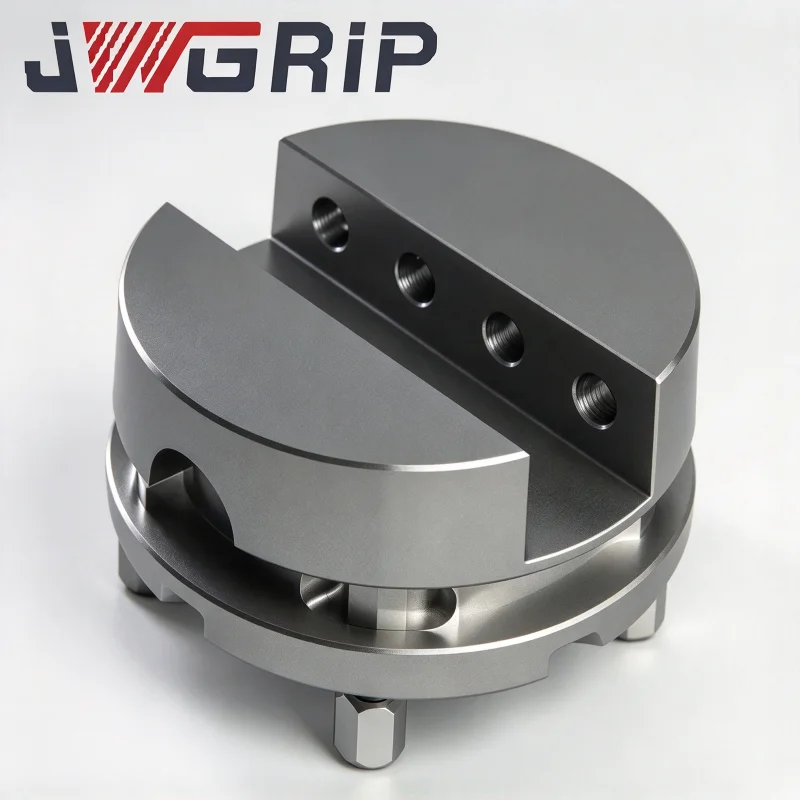
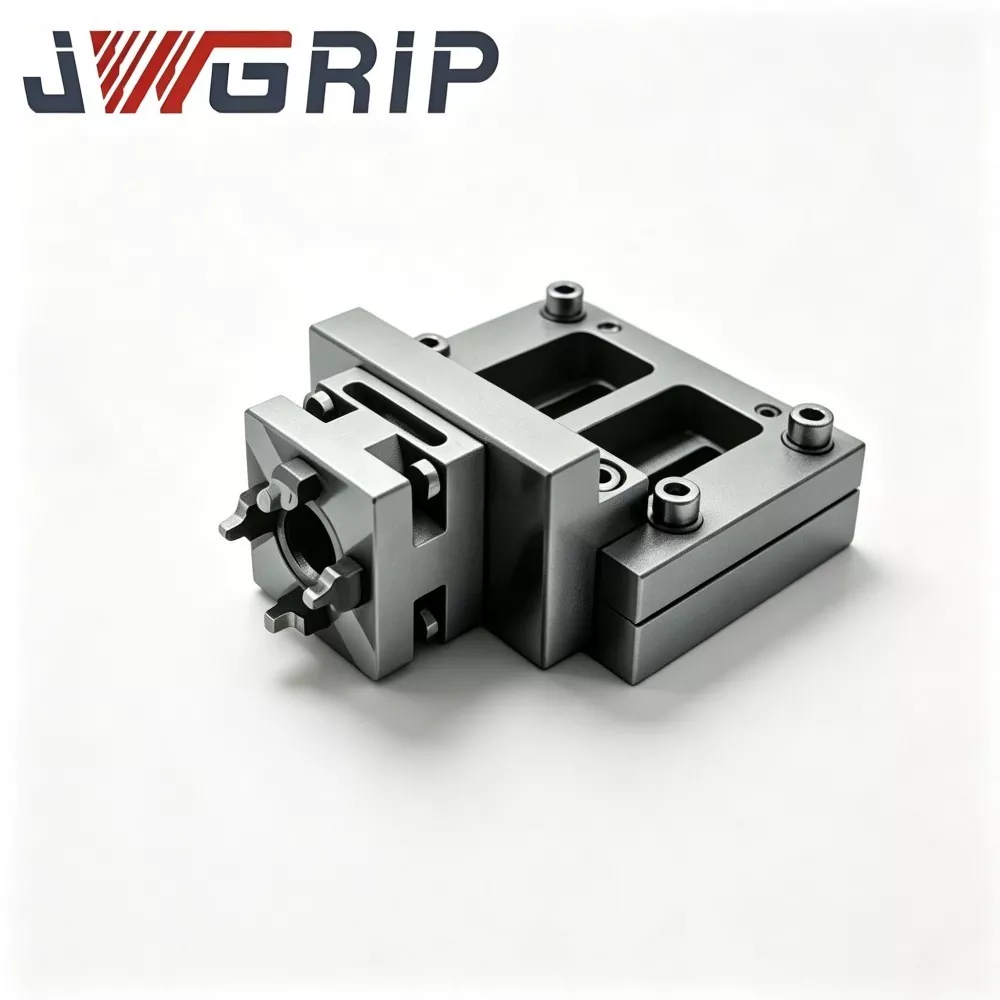
As a professional factory supplier of EROWA Compatible Electrode Holders, JWGRIP focuses on structural upgrading, precision positioning testing and standardized mass production of standard, extended and custom electrode bases. This modular EDM tooling effectively solves common problems of electrode deformation, mounting deviation and poor interchangeability during high-frequency mold spark machining. It strengthens electrode rigidity, stabilizes long-hour spark erosion precision, and supports efficient electrode sorting, storage and cross-station switching.
Matched with EROWA Compatible Electrode Chucks and EROWA Compatible Pull Studs, it builds a unified EDM tooling system for offline presetting, CNC electrode milling and sinker EDM machining. All core parameters including datum flatness, assembly verticality and interface compatibility are strictly controlled in production, ensuring stable modular matching and consistent precision for batch mold processing.
Modular Tooling Standardization
Modern precision mold manufacturing relies heavily on standardized electrode management. Most traditional workshops adopt scattered electrode holders with different heights, base sizes and interface structures. When switching multiple sets of electrodes for multi-cavity molds, technicians need to repeatedly adjust height datum, correct verticality and recalibrate machining coordinates. Disordered tooling not only reduces production efficiency but also introduces inconsistent electrode installation status, resulting in unstable spark erosion depth and mold cavity dimensional deviation. JWGRIP EROWA compatible electrode holders adopt unified modular design standards, completely unifying the base interface, mounting height and assembly datum of all electrodes in the workshop. This standardized tooling mode realizes random interchange of multiple electrodes, greatly simplifying workshop tooling management and ensuring consistent installation posture for every electrode batch.
Many mold manufacturers only focus on electrode precision and machine accuracy while ignoring holder standardization. How does unified holder standardization improve multi-electrode mold production stability? Unified base datum and installation specifications eliminate manual adjustment errors, maintain consistent electrode verticality and suspension rigidity, avoid irregular spark gaps, and effectively improve mold cavity uniformity and machining repeatability.
Product Structural Advantages
Different from ordinary thin-wall electrode holders on the market, JWGRIP electrode holders adopt thickened integral alloy steel structure with overall stress-relief treatment, featuring strong anti-deformation performance and high structural stability during long-term EDM vibration. The series covers multiple mainstream models to adapt to different electrode sizes and machining depths:
Standard Universal Electrode Holder: Designed for conventional short-stroke electrode processing. It features compact structure, high mounting flatness and excellent versatility, suitable for daily processing of ordinary cavity and core electrodes, and compatible with most standard EDM tooling systems.
Extended Height Electrode Holder: Optimized for deep-cavity mold processing. The lengthened support structure effectively avoids machine arm interference, maintains stable electrode suspension verticality during deep-hole spark machining, and solves precision attenuation problems caused by overhanging vibration.
Reinforced Thickened Electrode Holder: Adopts thickened base and rib-reinforced structure, greatly improving overall rigidity. It resists high-frequency micro-vibration during long-time continuous spark discharge, ensuring ultra-stable positioning for high-precision mirror molds and tiny intricate features.
Production Strength
JWGRIP integrates independent structural R&D, precision machining and standardized batch production for all EROWA compatible electrode holders. The factory adopts high-precision CNC milling and multi-step surface grinding processes for key datum surfaces, strictly controlling flatness and parallelism within micron-level tolerance. Each holder undergoes repeated assembly simulation, verticality testing and interchangeability inspection before leaving the factory, ensuring 100% compatibility with mainstream EROWA standard tooling systems.
Aiming at personalized demands of special-shaped electrodes and non-standard deep-cavity molds, JWGRIP supports customized height adjustment, special base opening sizes and modified mounting structures, meeting diversified tooling matching requirements of high-end precision mold processing.
Scientific Matching & Usage Logic
Reasonable tooling matching is the core premise of long-term stable precision. When cooperating with EROWA Compatible Electrode Chucks, the unified base interface ensures seamless assembly and coaxiality consistency between holder and chuck, avoiding tilt assembly and local stress deformation. When installed with EROWA Compatible Pull Studs, the precisely matched thread and taper structure ensures firm locking, prevents positioning floating caused by vibration, and maintains long-term repeat positioning accuracy during frequent electrode replacement cycles.
In actual workshop operation, users should classify and store electrode holders according to specifications, avoid collision and extrusion that damage datum flatness, and regularly clean mounting interfaces to prevent graphite powder and oil dirt accumulation from affecting assembly accuracy. Unified tooling classification and standardized use can maximize tooling utilization and stabilize batch machining quality.
Production Value
For medium and large mold enterprises with multi-batch and multi-electrode production demands, standardized electrode holder management is an important part of workshop intelligent upgrading. Adopting unified EROWA compatible electrode holders can completely sort out disordered workshop tooling resources, reduce repeated tooling procurement costs, shorten electrode presetting and debugging time, and significantly improve overall production efficiency.
Compared with traditional heterogeneous tooling, JWGRIP standardized electrode holders feature higher rigidity, better interchangeability and longer service life, helping mold factories realize standardized, refined and efficient EDM production management. Cooperated with complete sets of EROWA series tooling, it builds a closed-loop high-precision machining system for modern intelligent mold workshops.
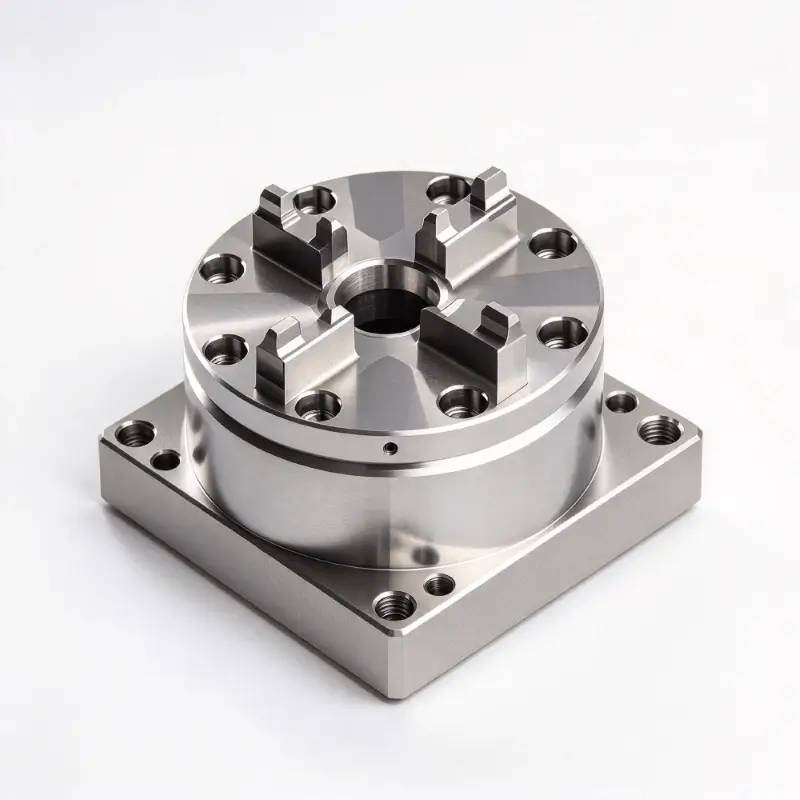
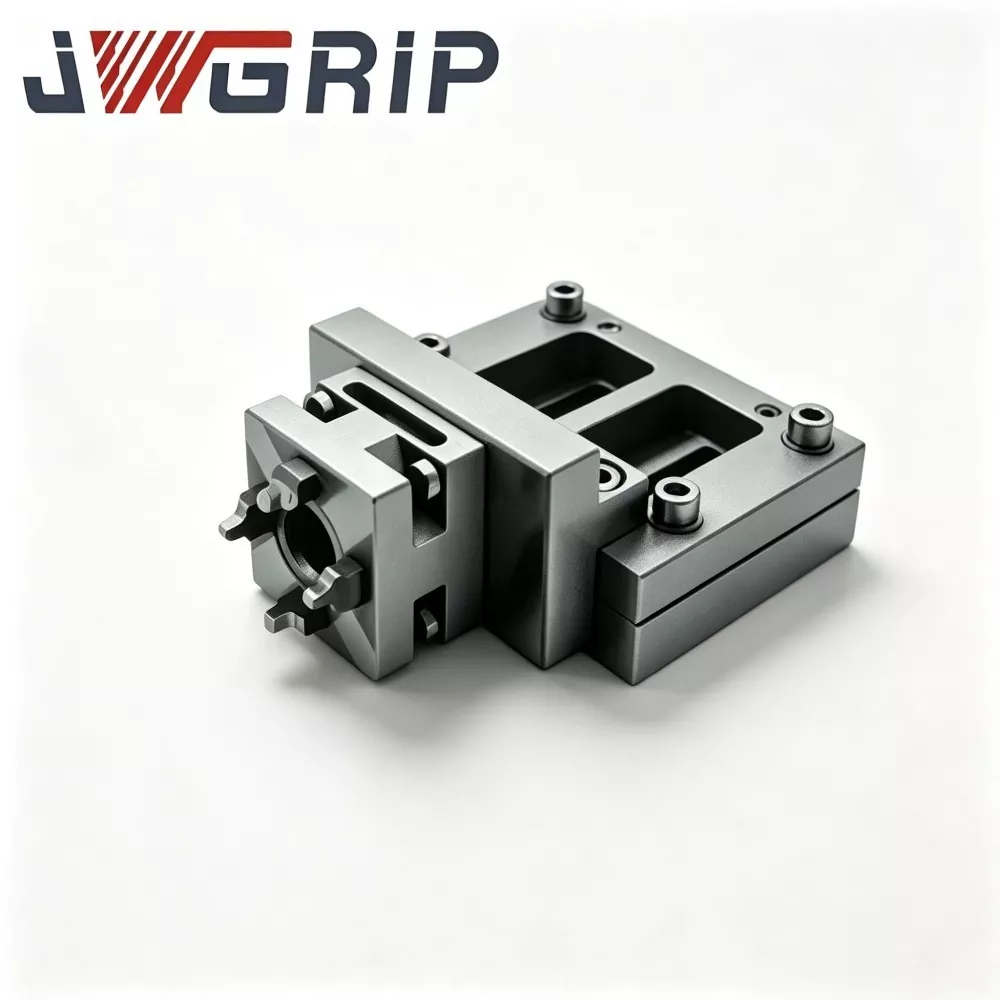
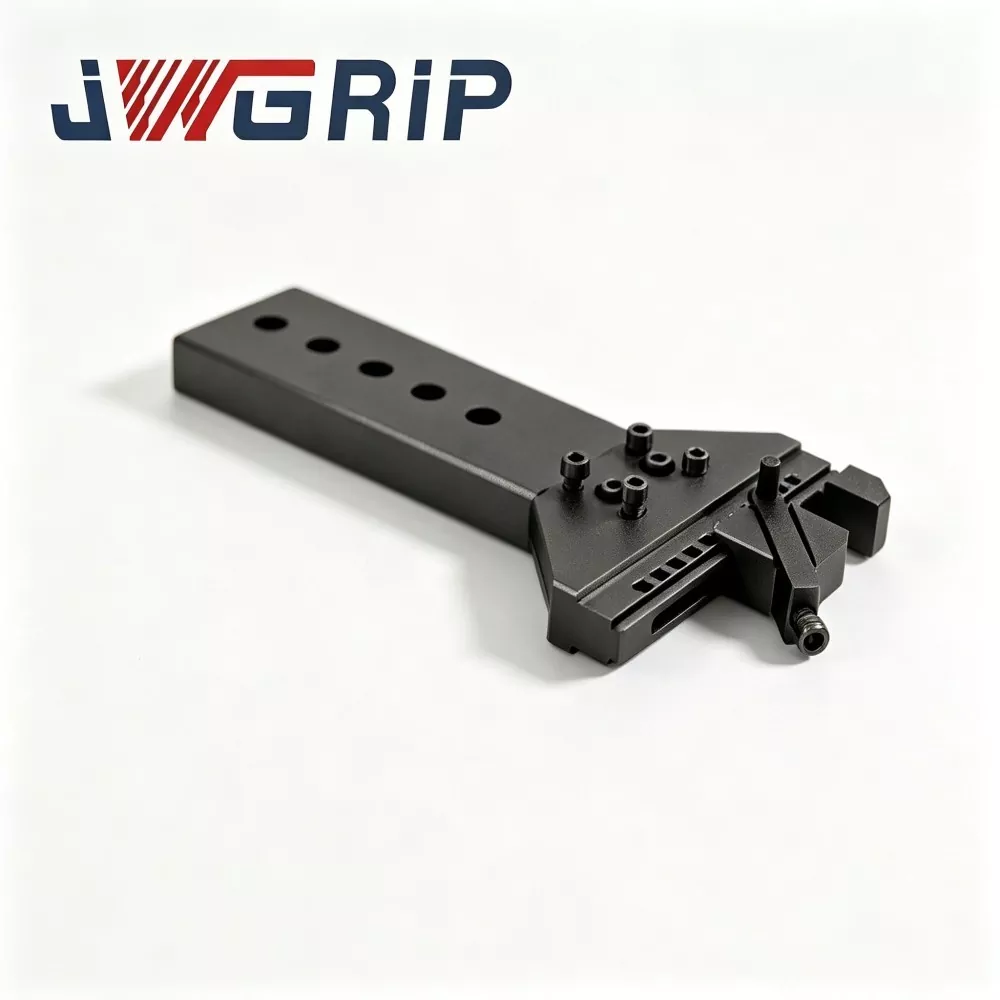
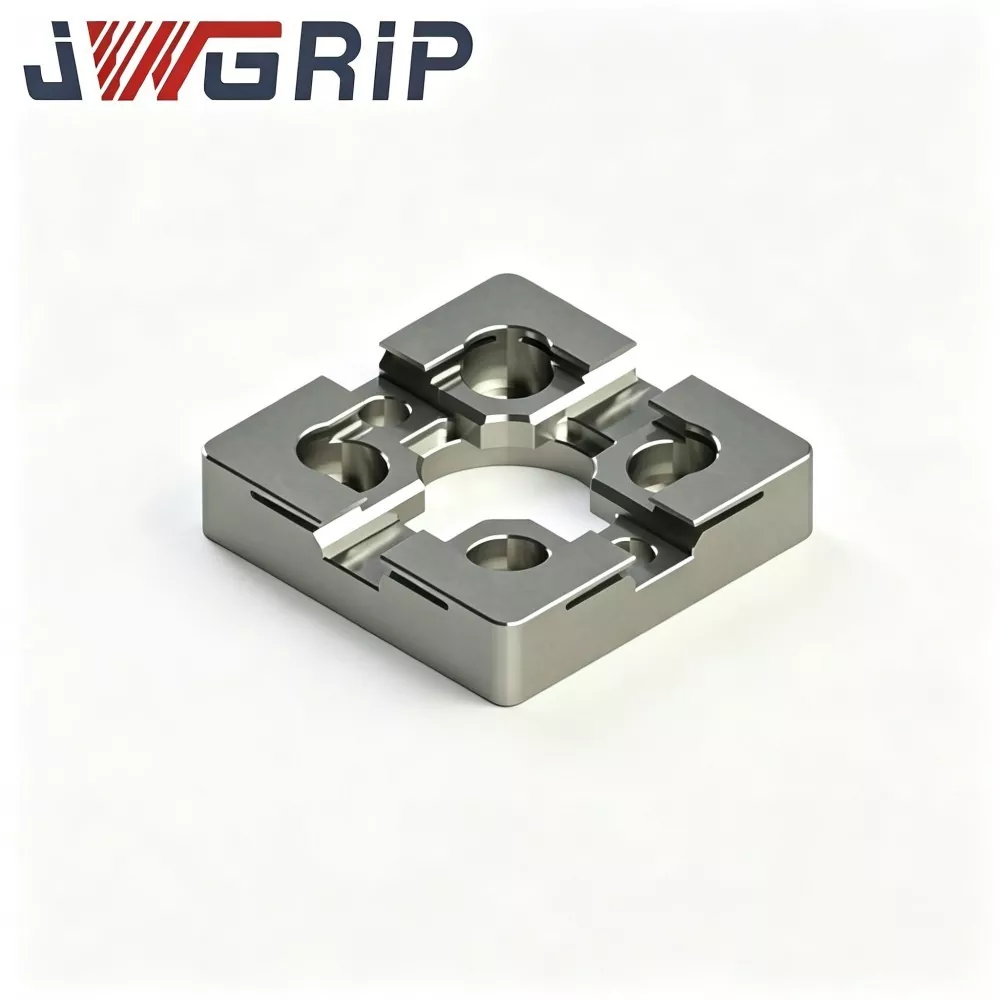
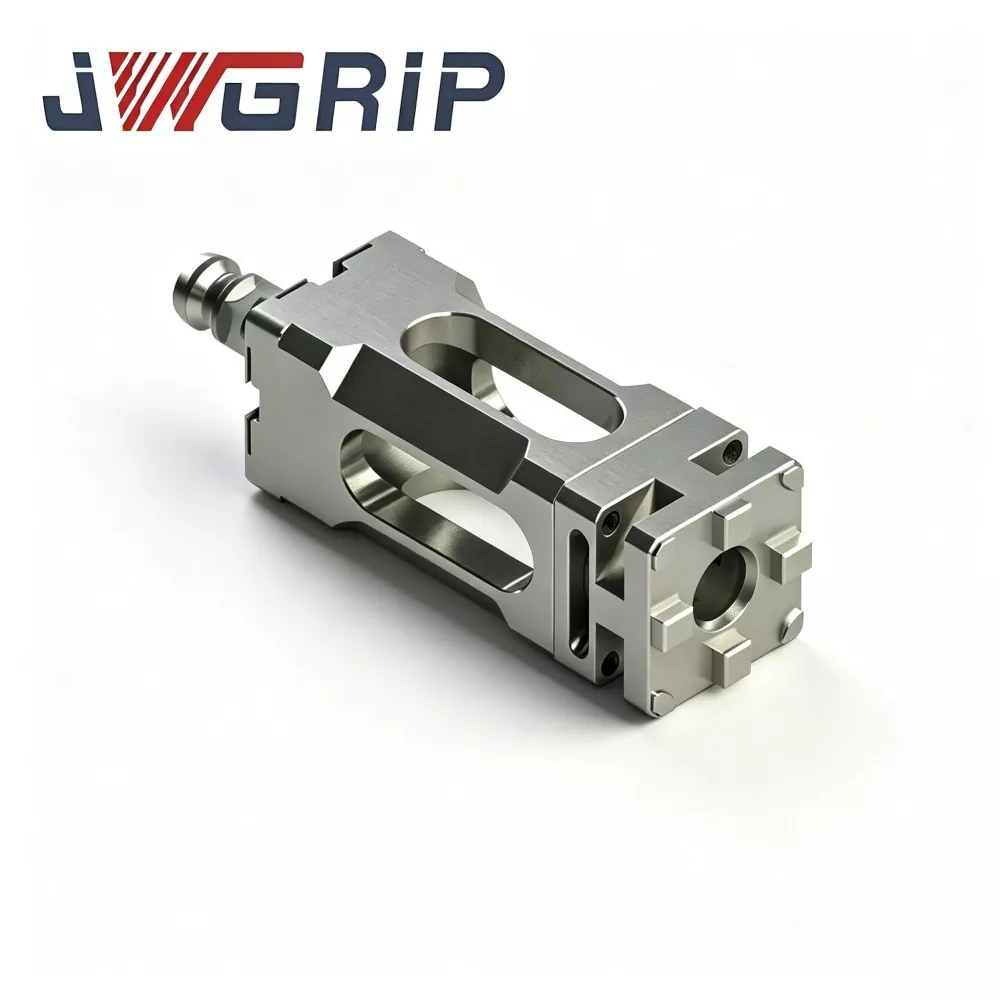
JWGRIP is a professional EROWA Compatible Electrode Holders manufacturer and supplier in China. We warmly welcome you to wholesale high quality products at competitive price from our factory.
News Recommendations