English
- English
- Español
- Português
- русский
- Français
- 日本語
- Deutsch
- tiếng Việt
- Italiano
- Nederlands
- ภาษาไทย
- Polski
- 한국어
- Svenska
- magyar
- Malay
- বাংলা ভাষার
- Dansk
- Suomi
- हिन्दी
- Pilipino
- Türkçe
- Gaeilge
- العربية
- Indonesia
- Norsk
- تمل
- český
- ελληνικά
- український
- Javanese
- فارسی
- தமிழ்
- తెలుగు
- नेपाली
- Burmese
- български
- ລາວ
- Latine
- Қазақша
- Euskal
- Azərbaycan
- Slovenský jazyk
- Македонски
- Lietuvos
- Eesti Keel
- Română
- Slovenski
- मराठी
- Srpski језик
High-Performance EROWA Compatible Pull Studs for Reliable CNC Tool Clamping
As a precision interface component producer of EROWA Compatible Pull Studs, JWGRIP completes full-cycle wear simulation and serial production for standard locating studs, automatic-function variants and rotary offset-capable connection studs. These interchangeable components help mold-making facilities expand EDM tooling pools while preserving existing electrode holders and fixture pallets. Paired with EROWA Compatible EDM Chucks and EROWA Compatible Electrode Chucks, they build cross-station locating chains for consistent datum transfer among milling, sinker EDM and measuring stations. Taper geometry, thread dimension and sealing-groove parameters are strictly controlled for every production batch.
Cross-Station Datum Continuity
Many mold-manufacturing workshops run mixed-process production flows: electrode milling on machining centers, sinker EDM spark erosion, offline preset measurement and manual inspection. Every process shift demands repeated fixture swapping. If pull-stud interface parameters deviate even slightly between different pieces of hardware, datum drift will accumulate as electrodes travel from one station to another.
A large number of workshops invest heavily in high-precision chucks and holders, yet overlook that these small interface parts define datum continuity across the whole process chain. Visually similar studs may still produce micron-level mismatch during actual clamping, which gradually degrades electrode positioning accuracy for complex cavity machining.
Many procurement teams treat these locating components as low-cost consumables and source random replacement parts from multiple vendors. Mixed-source studs create hidden risks for multi-station tooling loops.
What risks appear when mixing non-identical interface parts inside one mold-making tooling pool? Minor differences in taper angle, sealing-ring groove depth or shoulder height break full-surface mating. Each swap generates tiny unmeasured offset, which stacks up and creates electrode alignment errors on finished mold cavities.
Core Functional Variants
EROWA Compatible Standard Pull Stud: Designed for manual fixture mounting and electrode-holder assembly. This general-purpose variant fits most common mold-shop manual chucks and electrode bases. It performs reliably for frequent manual swap-out cycles in prototype mold processing and small-batch electrode preparation work.
EROWA Compatible Automatic Pull Stud: Built with modified structural profiles to adapt to automated gripper engagement. It supports unmanned electrode exchange inside robotic EDM cells, eliminating manual twist-lock operations. This variant suits lights-out mold production with continuous electrode switching tasks.
EROWA Compatible Automatic Rotary Pull Stud: Incorporates internal offset-rotation structure. It allows limited angular adjustment after locking, which helps fine-tune electrode orientation without detaching the whole holder assembly from the chuck. It brings extra flexibility for multi-cavity mold electrode setup.
Practical Assembly & Application Rules
Screw-in installation depth directly influences final locating performance. Operators must control screwing depth to keep the stud shoulder flat against the electrode-holder base. Excessive screwing depth will distort internal thread structures, while insufficient depth leaves floating clearance that generates positional shift under spark-erosion vibration.
Sealing ring maintenance deserves consistent attention, especially for sinker EDM environments flooded with dielectric fluid and graphite dust. Worn or misplaced sealing rings allow conductive sludge to penetrate taper mating zones. Contaminant build-up scratches precision taper surfaces and impairs repeat positioning. Replace sealing accessories together during regular component overhaul instead of reusing aged rubber parts repeatedly.
Visual appearance cannot serve as the only judging standard. Two studs may look nearly identical, yet subtle differences on taper-angle or shoulder height will emerge once installed on high-precision chucks. Random cross-brand substitution should be avoided within unified tooling pools.
System-Wide Hardware Matching
When assembling together with EROWA Compatible EDM Chucks, stud taper contour and shoulder dimension must fully match internal chuck cavity geometry. Mismatched contour creates partial-point contact, concentrates local stress and accelerates mutual wear on both chuck inner surfaces and stud taper sections. Consistent interface specifications prevent progressive datum shift across repeated electrode-swap cycles.
When cooperating with EROWA Compatible Electrode Chucks, these studs turn ordinary electrode holders into interchangeable modules. Operators can finish electrode presetting and measurement offline, then transfer complete electrode assemblies between milling equipment, EDM machines and CMM stations without repeated re-indicating work. Unified stud standards shorten overall mold-making lead-time for multi-electrode projects.
Workshops maintaining large electrode-holder libraries should implement clear part marking. Mark stud type and key specification information on each corresponding electrode-holder base. Clear labelling reduces human mis-installation risk during busy shift-change operations inside mold shops.
Material & Production Quality Control
JWGRIP manufactures these compatible locating studs from high-alloy anti-corrosion steel. Critical taper contact zones receive carburizing quenching followed by multi-stage ultra-precision grinding. Thread sections adopt tight-tolerance tapping to secure interchangeability across different production batches. Every finished component passes taper-profile scanning, thread dimension inspection and simulated cyclic clamping testing before shipment. Custom-modified shoulder heights, special thread sizes and adjusted sealing-groove dimensions are available for special-legacy-tooling-matching projects.
Component Replacement Judgement Logic
These small interface components sustain repeated preload force, dielectric-fluid corrosion and graphite-particle abrasion in daily mold-shop operation. Surface scratches, thread fatigue and sealing-ring aging often develop gradually without obvious external symptoms. Workshops need to add periodic sampling inspection for these studs into regular electrode-holder maintenance workflows. Timely elimination of degraded interface hardware stops invisible datum deviation from spreading across multi-process mold-making chains.
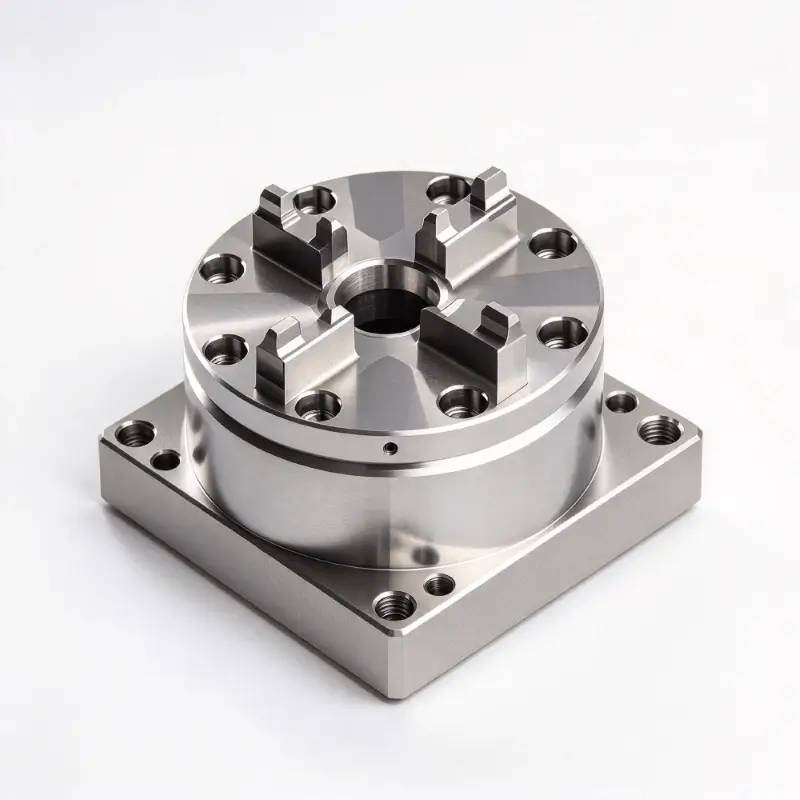
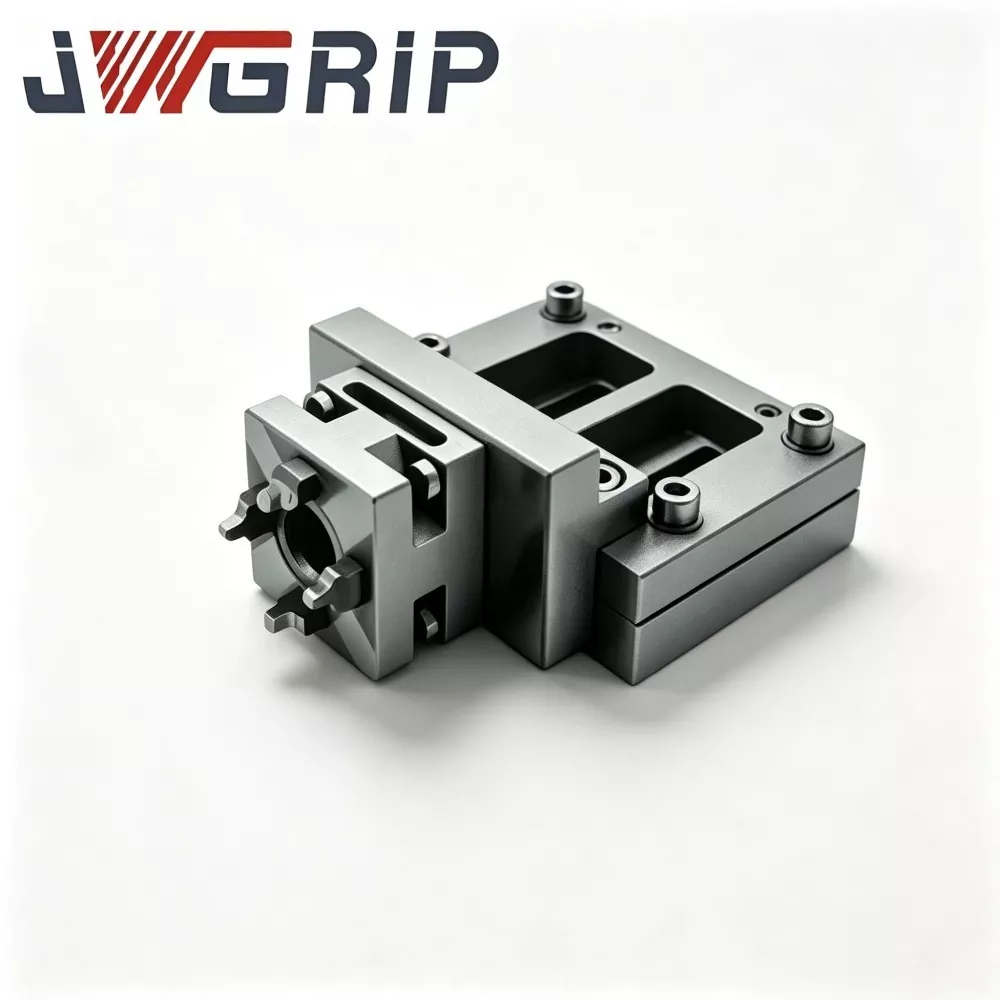
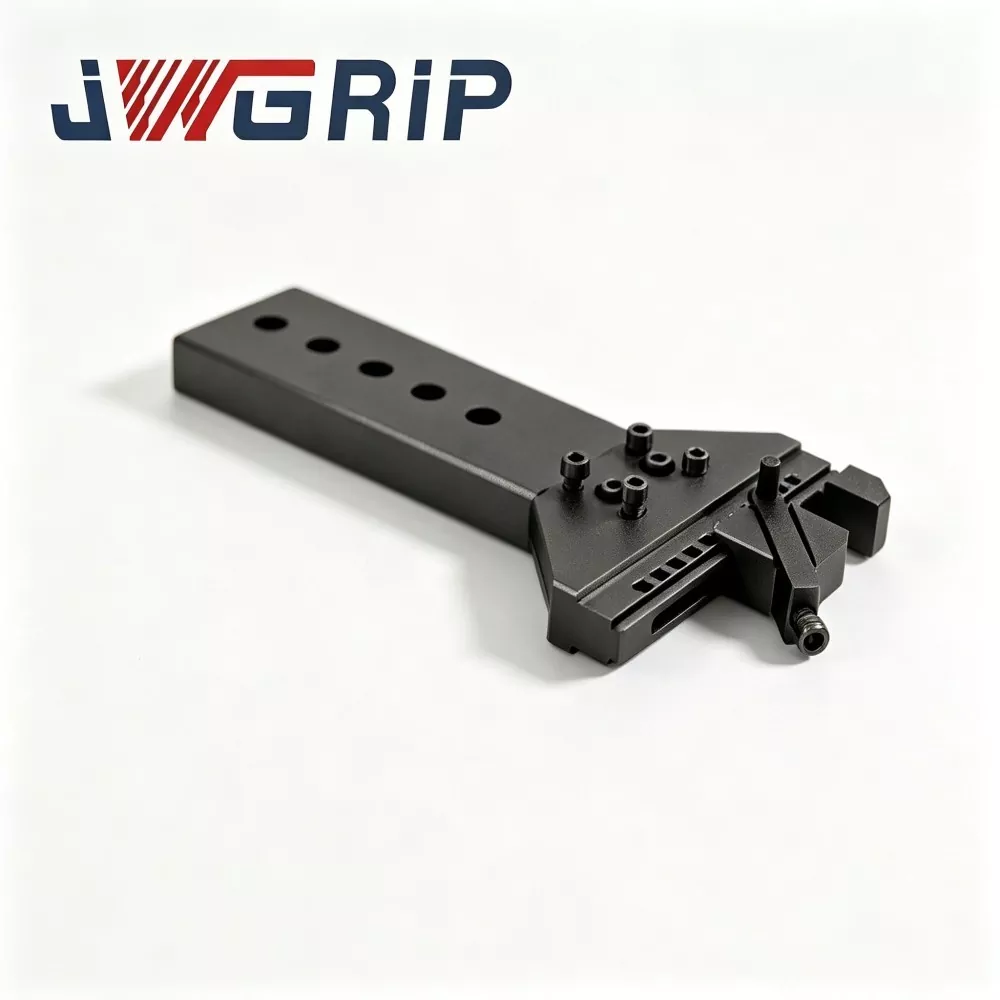
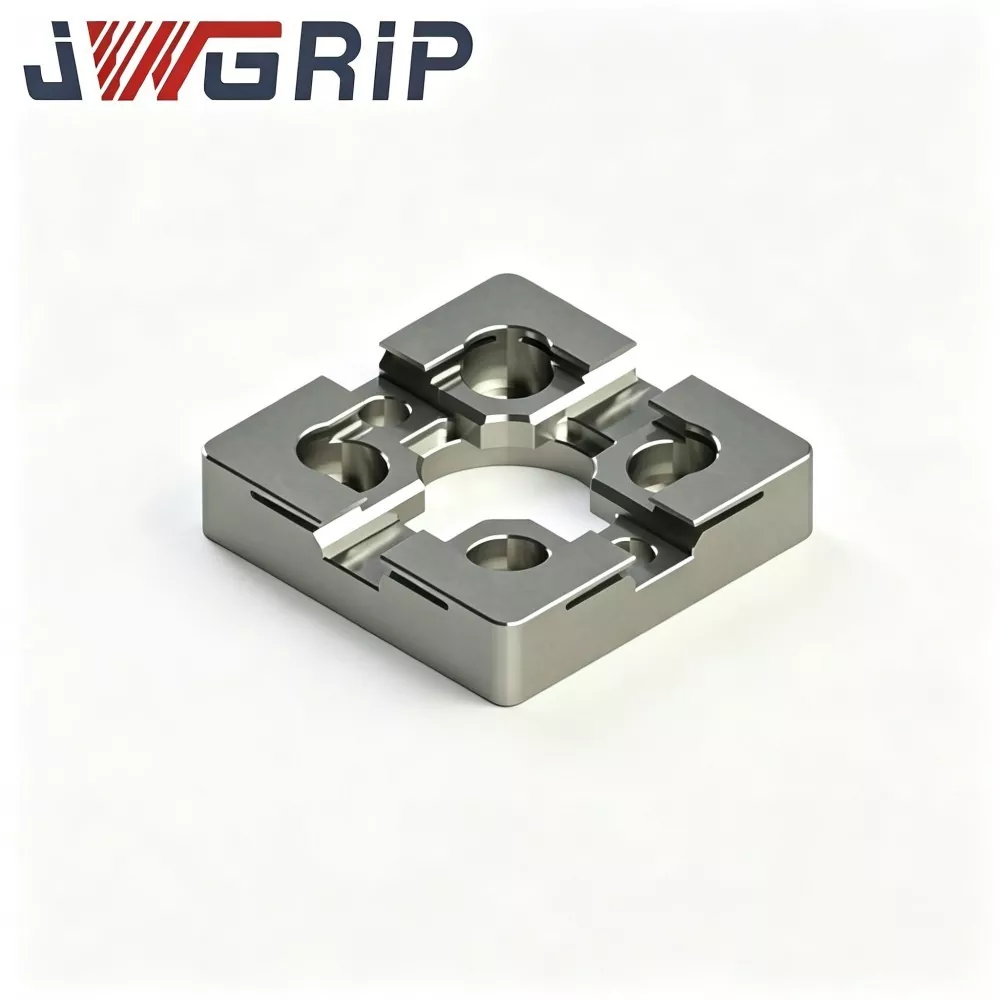
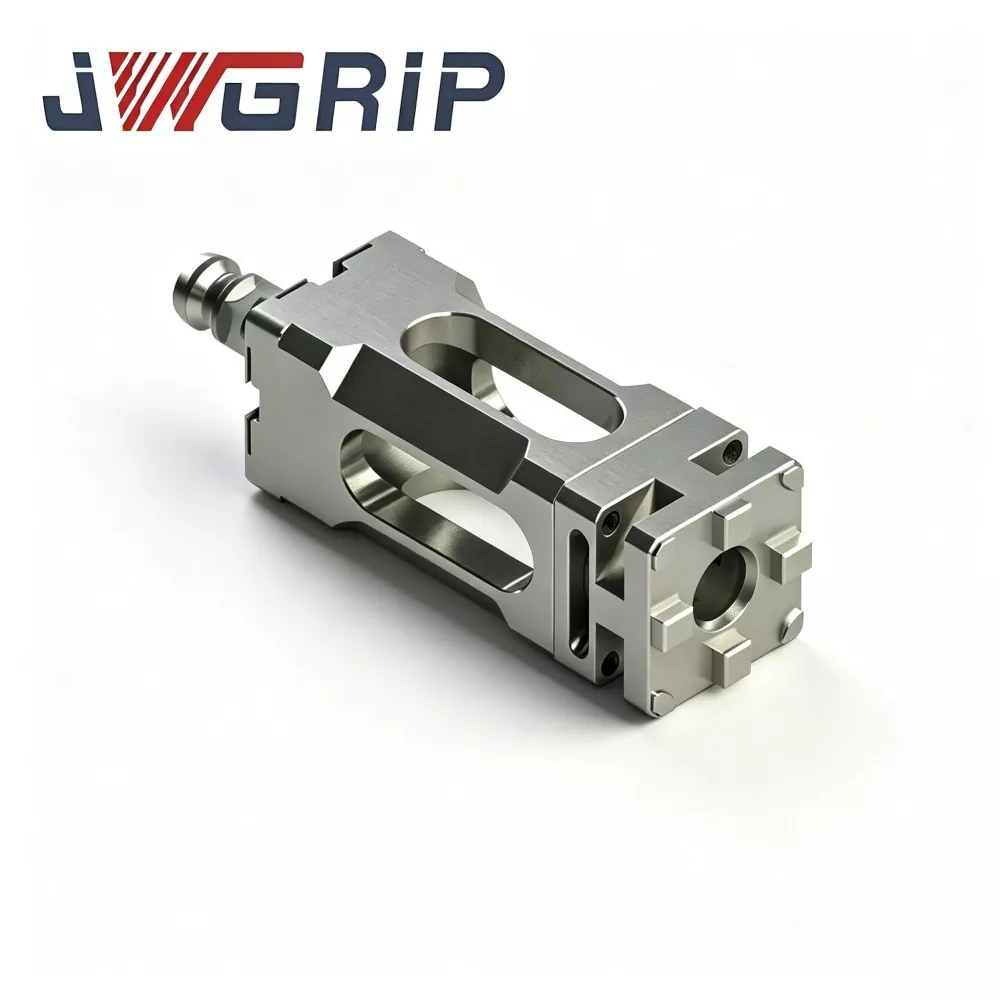
JWGRIP is a professional EROWA Compatible Pull Studs manufacturer and supplier in China. We warmly welcome you to wholesale high quality products at competitive price from our factory.
News Recommendations