English
- English
- Español
- Português
- русский
- Français
- 日本語
- Deutsch
- tiếng Việt
- Italiano
- Nederlands
- ภาษาไทย
- Polski
- 한국어
- Svenska
- magyar
- Malay
- বাংলা ভাষার
- Dansk
- Suomi
- हिन्दी
- Pilipino
- Türkçe
- Gaeilge
- العربية
- Indonesia
- Norsk
- تمل
- český
- ελληνικά
- український
- Javanese
- فارسی
- தமிழ்
- తెలుగు
- नेपाली
- Burmese
- български
- ລາວ
- Latine
- Қазақша
- Euskal
- Azərbaycan
- Slovenský jazyk
- Македонски
- Lietuvos
- Eesti Keel
- Română
- Slovenski
- मराठी
- Srpski језик

How Can a Wire EDM Chuck for Precision Workholding Improve Accuracy and Reduce Setup Time
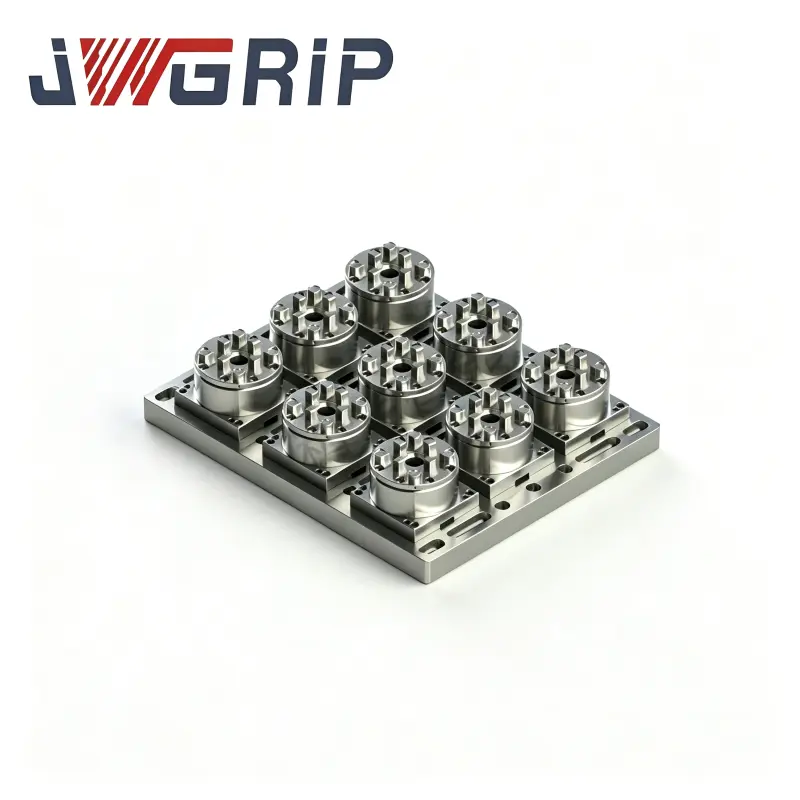
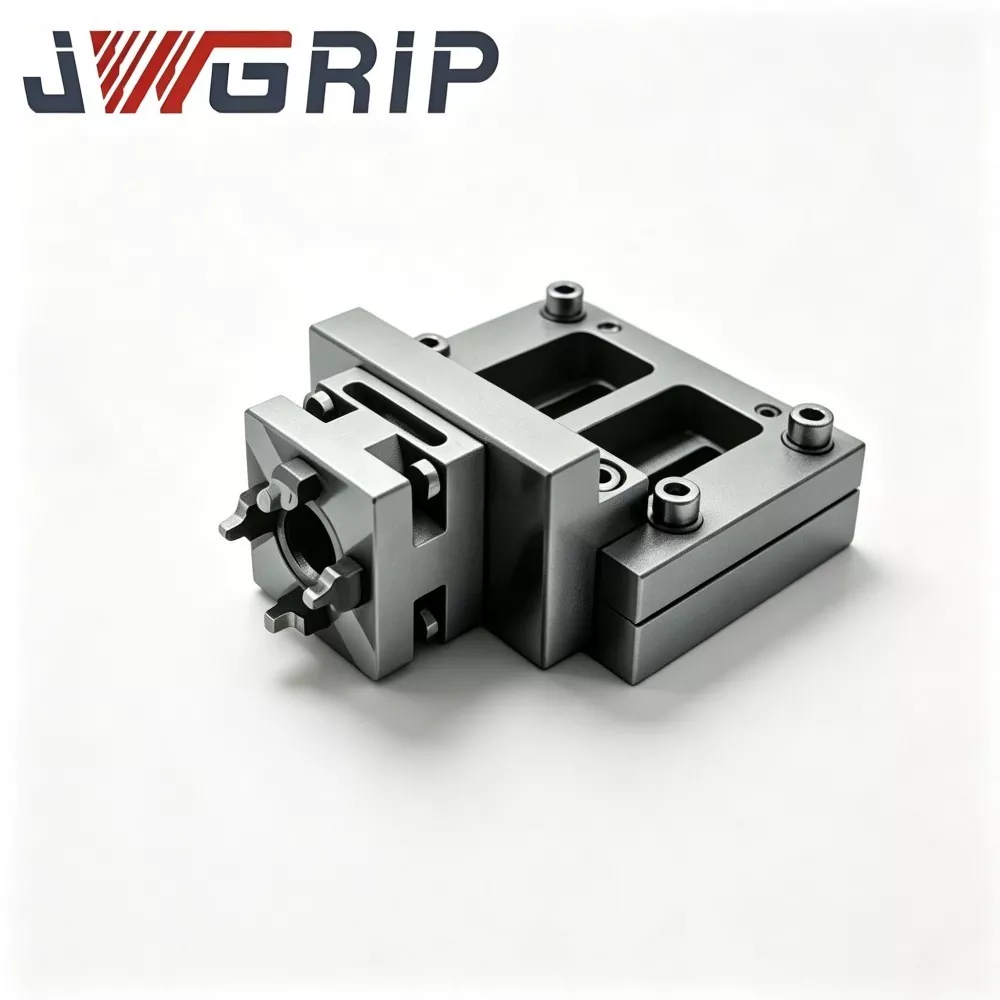
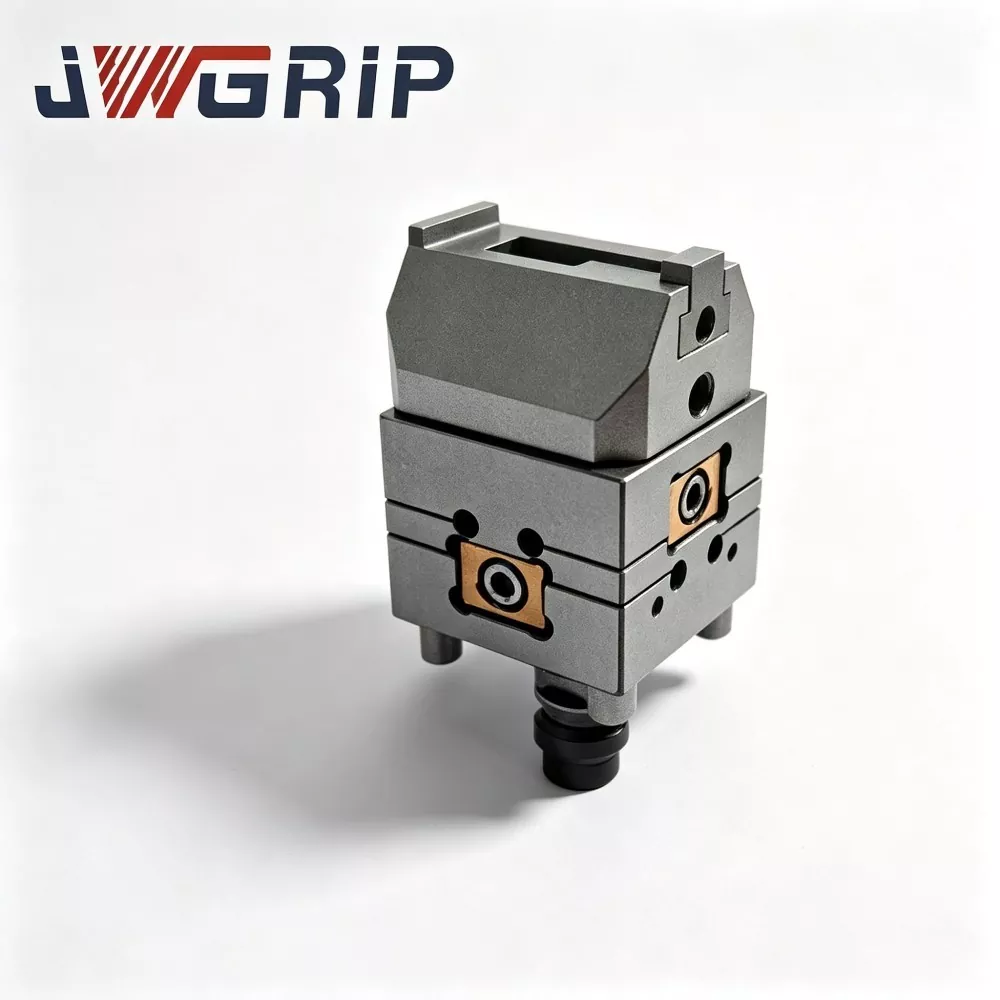
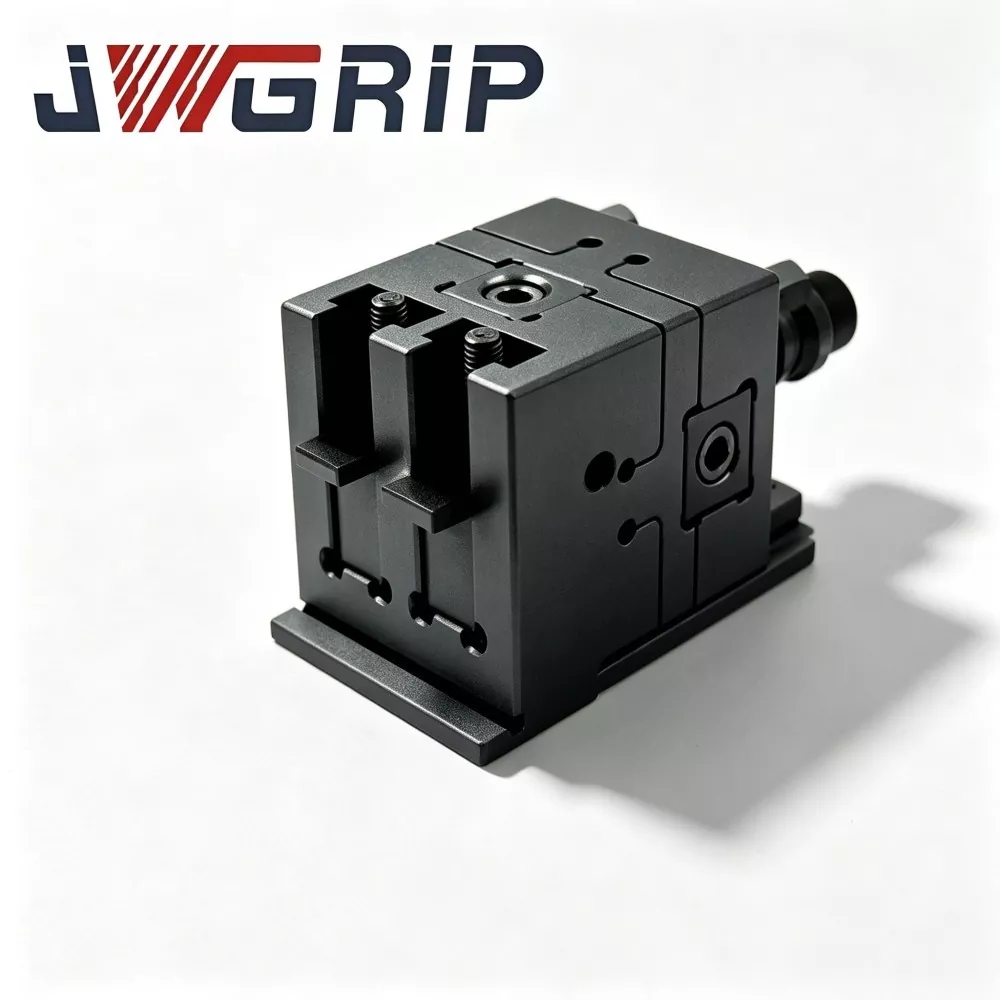
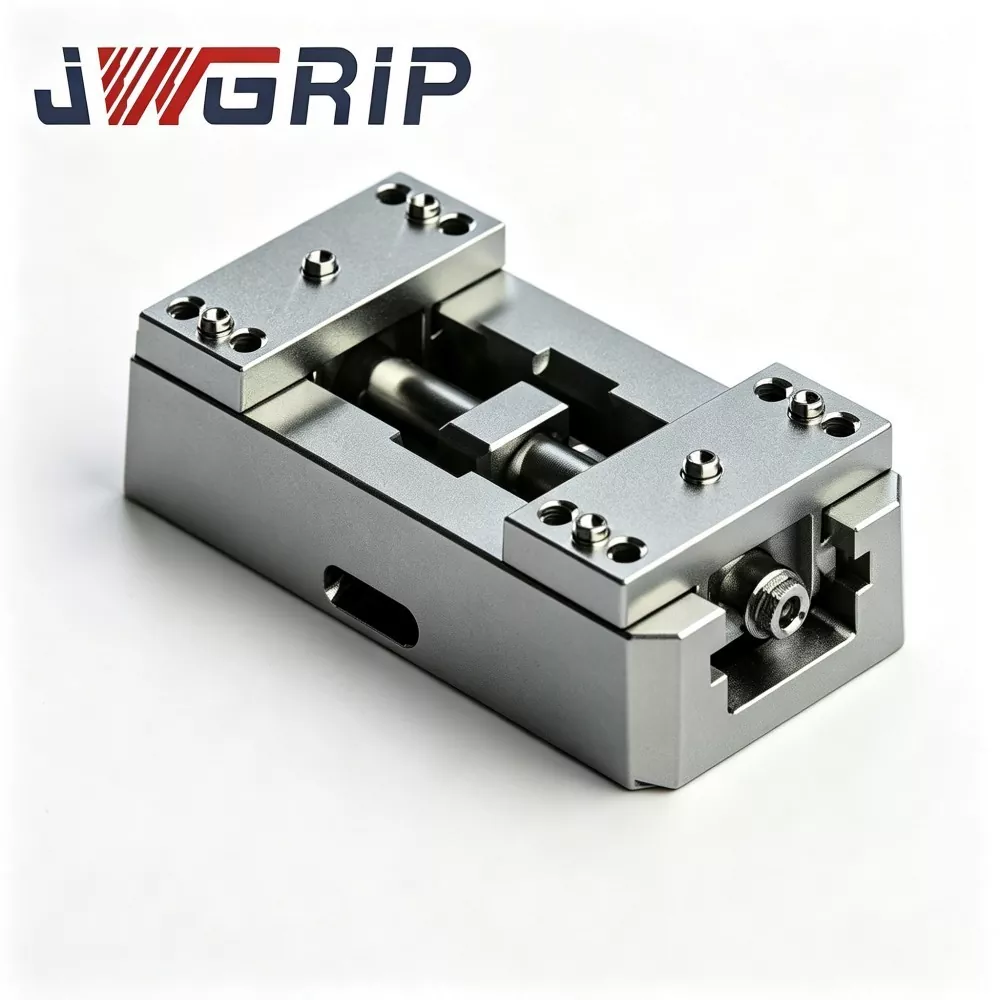
JWGRIP provides the Wire EDM Chuck for Precision Workholding, a quick-change clamping solution designed for high-mix, low-volume mold manufacturing and wire-cut EDM workshops. Its interchangeable sub-jig architecture helps reduce repetitive alignment work, preserve positioning consistency, and improve machine utilization in demanding production environments.
Precision wire electrical discharge machining (Wire EDM) requires more than a capable machine and a carefully programmed cutting path. Reliable workholding is equally important for maintaining coordinate consistency, reducing setup time, and achieving repeatable results across different jobs. Traditional fixtures often require operators to dismantle the entire clamping arrangement and repeat alignment procedures whenever production orders change. A quick-change Wire EDM Chuck for Precision Workholding addresses this challenge by separating the fixed main chuck from interchangeable, pre-calibrated sub-jigs. JWGRIP's solution is designed for frequent job changes, humid workshop conditions, and the demands of precision mold subcontracting. This guide explains its working principle, core features, selection criteria, maintenance requirements, and practical benefits for modern wire EDM production.
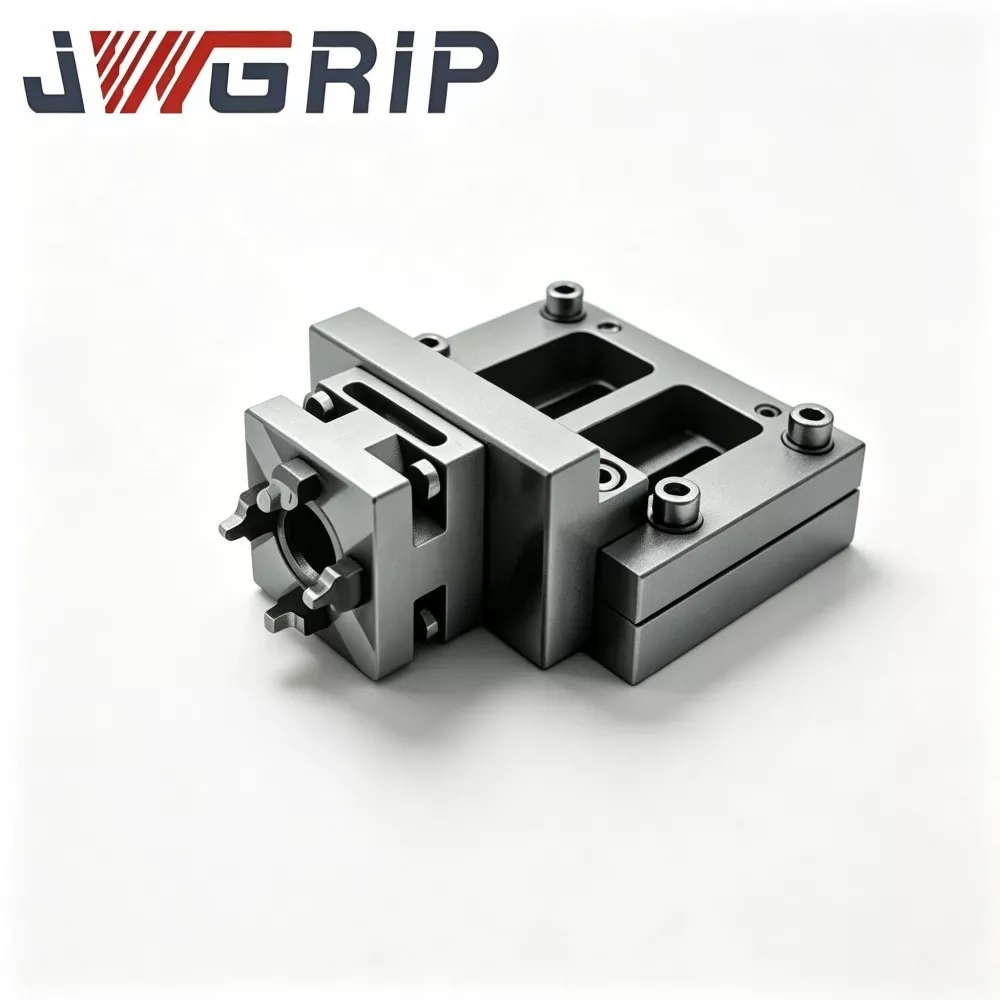
Table of Contents
- What Is a Wire EDM Chuck for Precision Workholding?
- Why Traditional Workholding Creates Production Bottlenecks
- How Does the Quick-Change Design Work?
- What Are the Main Features of JWGRIP's Wire EDM Chuck?
- Quick-Change Chuck vs. Traditional Fixture
- Which Applications Benefit Most from Precision Workholding?
- How Should You Select the Right Wire EDM Chuck?
- How Can Operators Maintain Positioning Accuracy?
- What Quality Checks Matter Before Delivery?
- Frequently Asked Questions
- Conclusion: Improve Wire EDM Workflow Efficiency
What Is a Wire EDM Chuck for Precision Workholding?
A Wire EDM Chuck for Precision Workholding is a specialized fixture that securely locates and holds workpieces during wire electrical discharge machining. Unlike conventional milling operations, Wire EDM removes conductive material through controlled electrical discharges between a moving wire electrode and the workpiece. Accurate positioning and stable support are essential when machining intricate contours, narrow slots, precision cavities, and complex mold components.
In high-mix manufacturing, workholding must also accommodate frequent changes in workpiece geometry and production requirements. A quick-change chuck helps simplify this process by providing a stable machine-mounted reference and interchangeable workholding units.
JWGRIP develops its chuck for mold subcontractors and flexible production workshops that need to manage varied orders without repeating the entire fixture setup for every new component.
Explore related Wire EDM workholding solutions from JWGRIP to understand the product's design and customization options.
Why Traditional Workholding Creates Production Bottlenecks
Traditional fixed fixtures can provide dependable clamping, but frequent job changes introduce additional challenges. When a fixture must be removed and reinstalled for each new order, operators may need to repeat time-consuming alignment, coordinate referencing, and verification procedures.
These activities become especially costly in workshops handling small batches of mold inserts, precision components, and tool blanks.
Common production problems
- Extended setup time: Repeated fixture removal and manual alignment reduce the time available for actual cutting.
- Positioning inconsistency: Differences in operator technique can introduce unwanted coordinate deviations after reinstallation.
- Limited production flexibility: Dedicated fixtures may be inconvenient when a workshop processes many workpiece sizes and shapes.
- Environmental wear: Coolant splashes, dielectric fluid, and fine machining sludge can affect locating interfaces if protection and cleaning are inadequate.
- Higher operating costs: Repeated setup activities and avoidable rework consume labor and machine capacity.
A quick-change workholding arrangement helps address these issues by keeping the main chuck installed while allowing compatible sub-jigs to be exchanged as production requirements change.
How Does the Quick-Change Design Work?
JWGRIP's design separates the fixed main chuck from interchangeable sub-jigs. The main body remains mounted on the machine table, while individual sub-jigs can be prepared and calibrated outside the machine. When the next production order arrives, the operator replaces the relevant sub-jig instead of dismantling the complete fixture arrangement.
The workflow in four steps
- Install the main chuck: Secure the chuck to the machine table and establish the required reference relationship.
- Prepare interchangeable sub-jigs: Configure the appropriate workholding unit for each workpiece or job family.
- Calibrate offline: Establish and record each sub-jig's coordinate relationship before it enters the production pool.
- Exchange and verify: Install the required sub-jig, confirm correct seating and locking, and perform the prescribed positioning verification before cutting.
This method reduces the need to repeat full machine-side alignment procedures. It also supports better organization of fixtures and calibration records across shifts.
Importantly, quick-change positioning does not eliminate all inspection requirements. Operators must still verify correct installation and confirm that the locating surfaces remain clean, undamaged, and within the required tolerances.
What Are the Main Features of JWGRIP's Wire EDM Chuck?
1. Split-body quick-change architecture
The fixed main body and interchangeable sub-jigs separate the machine reference from frequent workpiece changes. According to JWGRIP's published product information, comparative swap-cycle testing indicates that pre-calibrated sub-jigs can reduce fixture changeover time by approximately 58% compared with traditional full teardown and remounting workflows. Actual results depend on the original setup method, operator practices, and production conditions.
2. Stress-relieved alloy-steel construction
The main body uses stress-relieved, pre-hardened alloy steel. The product specification reports datum-plane flatness variation of no more than 0.0027 mm within a workshop temperature range of 16–31°C. This characteristic helps control dimensional changes that could otherwise affect the reference relationship between the fixture and the machine.
3. Corrosion-resistant locating interfaces
Locating-pin mating surfaces receive local surface hardening and a passivation-based anti-rust finish. These treatments are intended to improve resistance to repeated contact, humid workshop conditions, dielectric-fluid splashes, and fine machining contamination.
4. Repeatable positioning
JWGRIP specifies sub-jig mounting repeat-positioning accuracy of no more than 0.003 mm under its stated testing conditions. This supports the transfer of established coordinate offsets between compatible, properly calibrated sub-jigs. It should not be interpreted as a guarantee of finished-part accuracy under every machine, material, or cutting condition.
5. Flexible configuration and OEM customization
The chuck supports compatible interchangeable sub-jigs and drawing-based customization. Depending on the application, customers can discuss mounting footprints, locating-pin layouts, jaw working stroke, and other interface dimensions with JWGRIP's engineering team.
6. Traceable quality records
Each main chuck carries a laser-etched serial number. JWGRIP reports that inspection data covering parameters such as datum flatness, positioning repeatability, and locating-interface hardness are archived for traceability.
Quick-Change Chuck vs. Traditional Fixture
The most important distinction between these two approaches is how they handle production changeovers. The following table summarizes their typical workflow differences.
| Comparison Factor | Traditional Fixed Fixture | JWGRIP Quick-Change Chuck |
|---|---|---|
| Changeover method | May require fixture removal and complete reinstallation | Exchanges compatible sub-jigs while the main chuck remains mounted |
| Coordinate referencing | Often requires repeated machine-side alignment | Supports reuse of recorded offsets from pre-calibrated sub-jigs |
| Production flexibility | Depends on fixture design and preparation | Designed for frequent job changes and varied small-batch orders |
| Setup-time reduction | Depends on the original fixture and setup procedure | Approximately 58% shorter changeover time in JWGRIP's stated comparative swap-cycle testing |
| Positioning repeatability | Depends on fixture condition and reinstallation accuracy | Specified sub-jig mounting repeatability of ≤0.003 mm under stated conditions |
| Maintenance priorities | Alignment, clamping condition, and fixture wear | Locating-surface cleanliness, locking engagement, wear inspection, and calibration records |
These comparisons describe workflow characteristics rather than universal performance guarantees. Before choosing a fixture, manufacturers should verify the required tolerances, mounting interface, workpiece dimensions, and inspection procedure for their own equipment.
Which Applications Benefit Most from Precision Workholding?
A quick-change chuck is particularly useful when a wire EDM workshop handles multiple jobs with different workpiece geometries and short production runs.
- Mold and die manufacturing: Supports efficient changes between mold inserts, cavity components, and other precision tooling parts.
- Precision toolmaking: Helps standardize workpiece referencing across different tool blanks and machining tasks.
- High-mix subcontract machining: Reduces repeated setup work when customer orders vary in dimensions and quantities.
- Small-batch component production: Allows prepared sub-jigs to be organized for recurring jobs and future production runs.
- Multi-shift workshops: Helps operators follow a consistent fixture setup process using documented calibration data.
For example, a mold subcontractor may receive several orders requiring different inserts during the same shift. With conventional fixtures, each change may involve removing the existing setup and re-establishing the machine reference. With a prepared quick-change system, the operator can select the corresponding calibrated sub-jig, install it, verify seating and positioning, and proceed according to the shop's inspection procedure.
This example illustrates a potential workflow improvement rather than a measured customer case. Actual productivity gains depend on order frequency, setup complexity, machine utilization, and operator experience.
How Should You Select the Right Wire EDM Chuck?
Selecting a chuck requires matching the workholding system to the machine, production workflow, and dimensional requirements. Clamping convenience alone is not enough.
Key selection criteria
- Machine-table compatibility: Confirm the mounting footprint, bolt pattern, available space, and required working height.
- Positioning requirements: Identify the required repeatability and datum tolerances, and determine how they will be verified.
- Workpiece geometry: Review part dimensions, clamping surfaces, access requirements, and potential interference with the cutting path.
- Sub-jig configuration: Determine how many interchangeable fixtures are needed and whether standard or customized designs are appropriate.
- Environmental conditions: Consider dielectric-fluid exposure, humidity, sludge accumulation, cleaning methods, and corrosion protection.
- Production frequency: Estimate how often fixtures change and whether offline preparation can reduce machine downtime.
- Documentation and support: Request dimensional drawings, inspection information, maintenance guidance, and interface specifications before purchasing.
Buyers comparing a precision Wire EDM chuck should provide these details early in the quotation process. Complete technical information makes it easier to evaluate compatibility and identify necessary modifications before manufacturing begins.
How Can Operators Maintain Positioning Accuracy?
Even a precision fixture needs regular maintenance. Contamination, impact damage, wear, and incorrect calibration records can compromise the locating relationship between the main chuck and interchangeable sub-jigs.
Recommended operating checklist
- Clean the locating seat and mating surfaces before each sub-jig installation.
- Inspect locating pins and contact surfaces for scratches, dents, corrosion, and abnormal wear.
- Confirm that the locking mechanism engages fully and operates smoothly.
- Match each sub-jig to its correct serial number and calibration file.
- Verify positioning after a changeover according to the workshop's inspection procedure.
- Recalibrate a sub-jig if it has been repaired, damaged, or found outside the specified tolerance.
- Perform a full repeat-positioning check after a significant collision or suspected damage to the main chuck.
- Follow the manufacturer's cleaning, storage, and corrosion-protection instructions.
Calibration records should be treated as controlled production documents. A sub-jig with an incorrect or missing calibration file should not be returned to the production pool until its identity and positioning data have been verified.
What Quality Checks Matter Before Delivery?
Manufacturing and inspection processes help establish whether a chuck meets its specified dimensions and functional requirements. According to JWGRIP's published product information, its manufacturing workflow includes material inspection, CNC machining, stress-relief treatment, precision grinding, interface hardening, coordinate measuring machine inspection, repeated sub-jig exchange testing, serial-number marking, and final dimensional checks.
Key acceptance criteria include:
- Datum flatness: Confirms that critical reference surfaces meet the specified geometric tolerance.
- Positioning repeatability: Checks whether repeated sub-jig installations reproduce the expected locating relationship.
- Interface hardness: Verifies the relevant hardened locating features against their specified requirements.
- Locking function: Confirms smooth engagement and secure retention of the interchangeable fixture.
- Traceability: Connects the physical product with its serial number and inspection documentation.
JWGRIP states that its quality management system follows ISO 9001 standards and that finished main chucks are supplied with independent inspection reports. Buyers should request the applicable documents and verify that the reported results correspond to their order's specifications. Any material certificates or third-party test records should be confirmed as part of the quotation and order agreement.
Frequently Asked Questions
1. Does a quick-change Wire EDM chuck eliminate the need for alignment after every changeover?
No. A quick-change system can reduce repetitive manual alignment by reusing the recorded coordinate offsets of pre-calibrated sub-jigs. Operators should still perform the prescribed verification after installation. Contamination, wear, incorrect seating, or deformation can affect positioning.
2. Can a workshop manufacture its own interchangeable sub-jigs?
Yes, provided the sub-jigs follow JWGRIP's applicable locating-interface drawings and dimensional requirements. Each custom-made sub-jig should be independently calibrated and identified with a unique serial number before being used in production. Compatibility should be confirmed before fabrication.
3. Does JWGRIP support customized mounting dimensions?
JWGRIP's product information describes OEM customization based on customer drawings. Buyers can discuss the mounting footprint, locating-pin layout, jaw working stroke, and other interface requirements. Submit complete drawings, dimensional tolerances, and machine-interface details so the engineering team can assess feasibility and provide a quotation.
4. What is the specified positioning repeatability of this chuck?
JWGRIP publishes a sub-jig mounting repeat-positioning accuracy specification of ≤0.003 mm under its stated conditions. This figure describes the locating system's specified repeatability, not a universal guarantee of finished-part accuracy. Machine condition, workpiece setup, cutting parameters, and verification methods also influence machining results.
5. How should operators respond if a sub-jig's locating surface is damaged?
Remove the affected sub-jig from service and inspect the damage. Do not rely on previously recorded calibration data until the locating interface has been checked and the sub-jig has been recalibrated where necessary. If the main chuck has suffered a significant impact, conduct the required repeat-positioning inspection before restarting production.
6. Which documents should buyers request before placing an order?
Request the product drawing, mounting-interface dimensions, applicable tolerance specifications, inspection report, maintenance instructions, and confirmation of any customization requirements. For OEM orders, clarify the availability of material certificates and additional test records before production begins.
Conclusion: Improve Wire EDM Workflow Efficiency
Choosing the right Wire EDM Chuck for Precision Workholding can help manufacturers reduce repetitive setup tasks, maintain a consistent locating reference, and organize high-mix production more effectively. A fixed main chuck combined with interchangeable, pre-calibrated sub-jigs is especially valuable for mold subcontractors and workshops that frequently switch between small-batch orders.
JWGRIP combines a quick-change architecture with stress-relieved alloy-steel construction, corrosion-resistant locating interfaces, specified repeat-positioning performance, and drawing-based OEM customization. To determine whether this solution fits your machine and production requirements, evaluate the mounting interface, workpiece range, required tolerances, and inspection procedure before purchasing.
If you are planning to upgrade your wire EDM workholding process, explore JWGRIP's Wire EDM Chuck for Precision Workholding and contact us with your machine specifications, technical drawings, and application requirements. Our team can help assess fixture compatibility, discuss customized configurations, and provide a quotation for a workholding solution tailored to your production needs.
Related News
- Why Should You Choose a Compatible EROWA Uniholder 72 ER-035211 for High-Precision Workholding
- Why Do 5-Axis Job Shops Prefer Compact High Precision Self Centering Zero Point Vise with Hard Jaws
- How Can a 0-100mm Rotatable Wire EDM Vise Improve Precision and Machining Efficiency
- Is the TP UnoSet Vee Vise for Wire EDM the Ultimate Workholding Fix for Batch Cylindrical Shaft Parts Production
- Why do many mold factories choose the R-type 9-in-1 pneumatic chuck in EDM processing
- Why Is the UnoSet Adapter with RSM 50 Pallet Set a Game-Changer for Modern Wire EDM Precision Manufacturing in 2026
Leave me a message
New Products
News Recommendations