English
- English
- Español
- Português
- русский
- Français
- 日本語
- Deutsch
- tiếng Việt
- Italiano
- Nederlands
- ภาษาไทย
- Polski
- 한국어
- Svenska
- magyar
- Malay
- বাংলা ভাষার
- Dansk
- Suomi
- हिन्दी
- Pilipino
- Türkçe
- Gaeilge
- العربية
- Indonesia
- Norsk
- تمل
- český
- ελληνικά
- український
- Javanese
- فارسی
- தமிழ்
- తెలుగు
- नेपाली
- Burmese
- български
- ລາວ
- Latine
- Қазақша
- Euskal
- Azərbaycan
- Slovenský jazyk
- Македонски
- Lietuvos
- Eesti Keel
- Română
- Slovenski
- मराठी
- Srpski језик

How Can a 0-100mm Rotatable Wire EDM Vise Improve Precision and Machining Efficiency
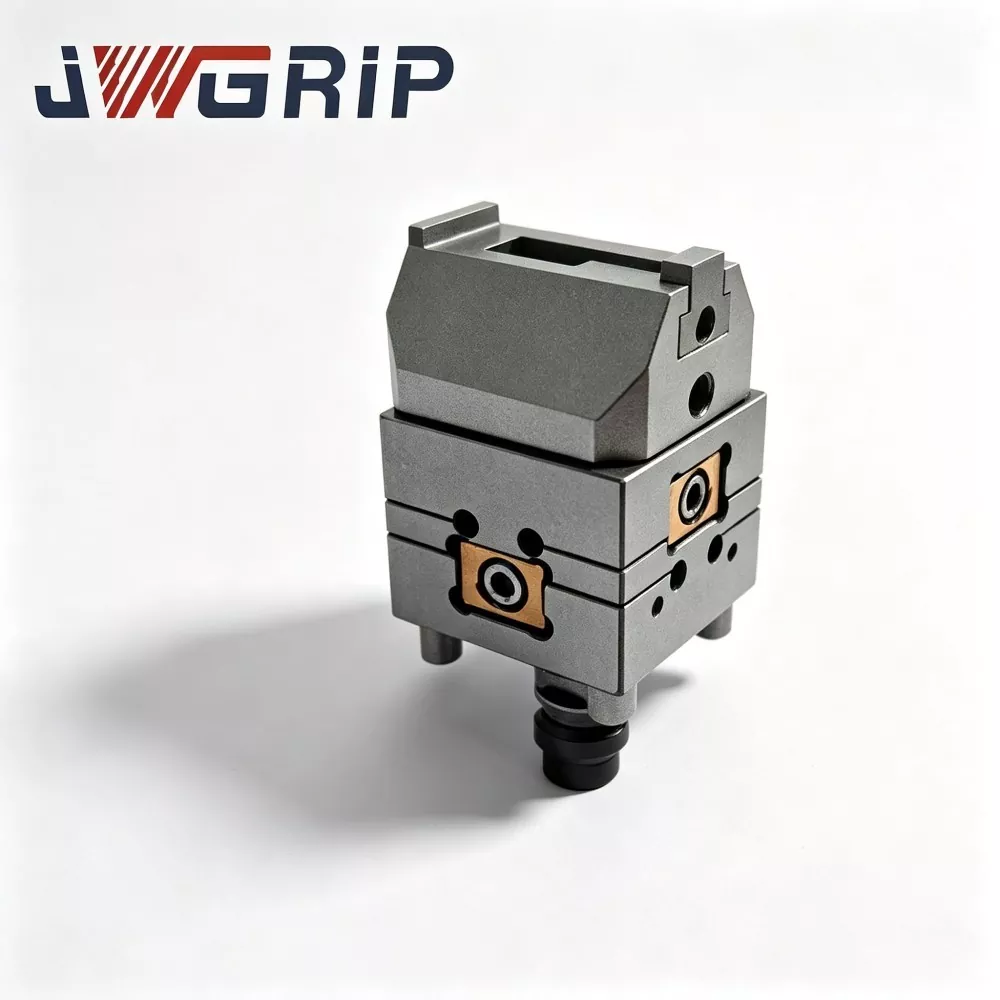
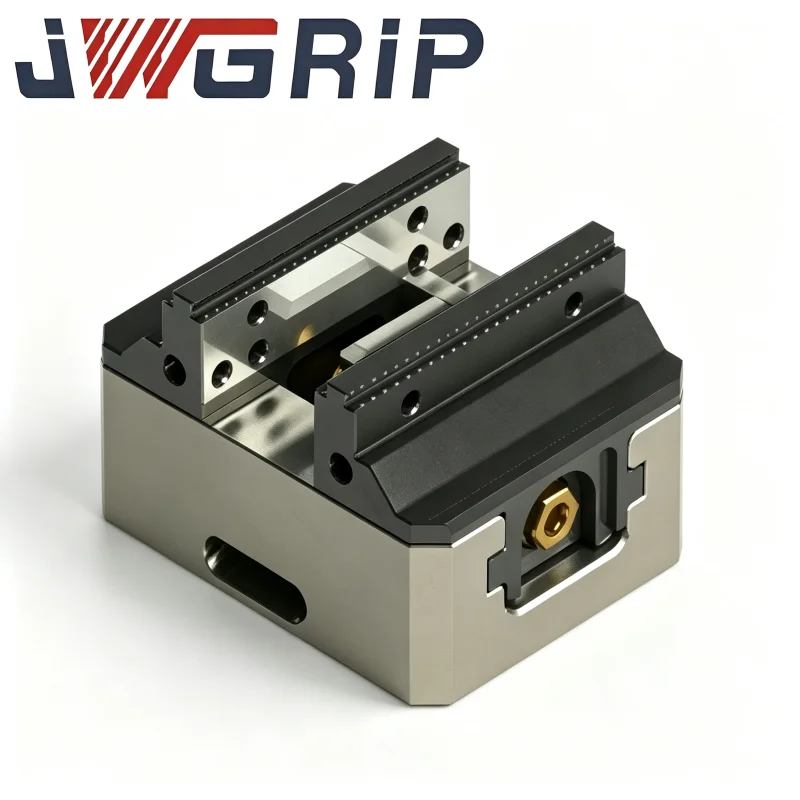
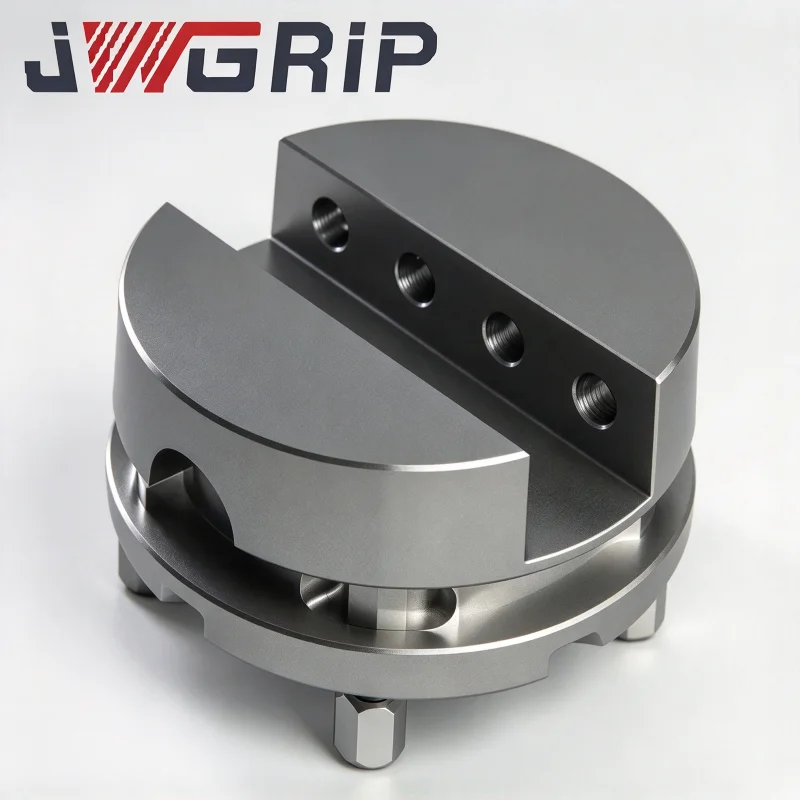
For precision manufacturing operations, reliable workholding is essential to achieving consistent cutting results and reducing setup errors. JWGRIP offers the 0-100mm Rotatable Wire EDM Vise for wire electrical discharge machining (Wire EDM) applications where accurate positioning, secure clamping, and flexible workpiece orientation are important. Understanding its working principles, selection criteria, and practical benefits can help manufacturers choose a suitable fixture for demanding machining tasks.
A 0-100mm rotatable Wire EDM vise is a specialized workholding tool designed to secure workpieces within a specified clamping range while allowing their orientation to be adjusted. It can help operators position components for precision wire cutting, simplify access to different machining faces, and improve setup flexibility. Selecting the right vise requires evaluating its rotational mechanism, clamping capacity, dimensional accuracy, material, machine compatibility, and maintenance requirements. This guide explains the essential features and purchasing considerations for manufacturers seeking dependable Wire EDM tooling.
Table of Contents
1. What Is a 0-100mm Rotatable Wire EDM Vise?
2. How Does Rotation Improve Wire EDM Machining?
3. Which Features Matter Most When Choosing a Vise?
4. How Should You Evaluate Technical Specifications?
5. Where Can This Precision Vise Be Used?
6. How Do You Select the Right Workholding Solution?
7. How Can Operators Maintain Accuracy and Service Life?
8. What Common Workholding Mistakes Should You Avoid?
What Is a 0-100mm Rotatable Wire EDM Vise?
A 0-100mm rotatable Wire EDM vise is a precision workholding fixture intended for securing workpieces during wire electrical discharge machining. The 0-100mm designation generally refers to the specified clamping range, although the exact measurement convention should be confirmed in the manufacturer's technical documentation.
Unlike a conventional fixed vise, a rotatable model incorporates an adjustment mechanism that allows the workpiece or clamping assembly to be repositioned. Depending on its design, the fixture may support angular adjustment or rotation around a designated axis. The available movement, locking method, and adjustment range vary by model.
Wire EDM removes electrically conductive material through controlled electrical discharges between a wire electrode and the workpiece. Because the cutting process follows a programmed path, stable workholding and accurate referencing are important for achieving the required geometry.
A suitable rotatable vise helps operators establish a repeatable workpiece position before machining begins. It is particularly useful when the cutting task requires precise alignment, changes in orientation, or access to different sections of a component.
For buyers evaluating JWGRIP tooling, the key consideration is how the vise's actual mechanical design and verified specifications match the requirements of the intended machining process.
How Does Rotation Improve Wire EDM Machining?
Workpiece orientation directly affects setup efficiency, cutting accessibility, and the ability to establish a reliable machining reference. A rotatable vise can make these tasks easier when the component needs to be aligned at a particular angle.
1. More Flexible Workpiece Positioning
Rotation allows operators to adjust the workpiece orientation instead of relying entirely on the machine table or a fixed fixture arrangement. This flexibility can be valuable when machining angled profiles, complex contours, or components with multiple reference faces.
2. Easier Setup Adjustments
Correct alignment is essential before a cutting program starts. An appropriate adjustment mechanism can help operators refine workpiece positioning and reduce repeated fixture removal during setup.
3. More Consistent Machining References
A rigid, accurately aligned fixture provides a stable reference for locating the workpiece. When the vise is properly adjusted and locked, it can help minimize unintended movement during machining.
4. Potentially Shorter Setup Times
When orientation changes can be completed directly at the fixture, operators may spend less time dismantling and rebuilding the workholding arrangement. The actual time savings depend on the component geometry, rotation mechanism, operator experience, and production workflow.
Rotation alone does not guarantee higher accuracy. The fixture must also have appropriate rigidity, clean contact surfaces, reliable locking, and suitable compatibility with the Wire EDM machine.
Which Features Matter Most When Choosing a Vise?
When comparing a 0-100mm rotatable Wire EDM vise with other precision workholding products, buyers should evaluate the complete fixture rather than focusing on the clamping range alone.
- Clamping range: Confirm that the intended workpiece dimensions fall within the manufacturer's specified operating range.
- Rotational capability: Verify the permitted rotation axis, angular range, adjustment method, and locking arrangement.
- Positioning accuracy: Review published parallelism, squareness, repeatability, and other relevant tolerances.
- Structural rigidity: Check whether the fixture can hold the workpiece securely under the conditions expected in the application.
- Material and surface treatment: Consider corrosion resistance, wear resistance, dimensional stability, and compatibility with the machining environment.
- Machine compatibility: Check the mounting dimensions, available clearance, and compatibility with the machine table or existing tooling system.
- Ease of adjustment: Assess whether the operator can position, lock, and release the workpiece conveniently.
- Maintenance requirements: Consider cleaning access, lubrication needs, replacement parts, and long-term serviceability.
For precision manufacturing, these characteristics should be assessed together. A vise with a suitable opening but insufficient rigidity or an unsuitable mounting interface may not deliver the expected machining performance.
How Should You Evaluate Technical Specifications?
Technical specifications provide the basis for determining whether a fixture meets the dimensional and operational requirements of a machining task. Buyers should request the manufacturer's current product drawing and specification sheet before confirming an order.
| Specification | What It Means | Why It Matters |
|---|---|---|
| Clamping range | The stated workpiece size or opening range | Determines whether the fixture can accommodate the intended component |
| Rotation range | The permitted angular or rotational movement | Defines the available positioning flexibility |
| Parallelism | The degree to which specified surfaces remain parallel | Influences workpiece alignment and setup accuracy |
| Squareness | The deviation from a specified right-angle relationship | Helps assess geometric alignment |
| Repeatability | The consistency of returning to a defined position under specified conditions | Supports repeatable setup procedures |
| Material and hardness | The material composition and applicable hardness specification | Affects wear resistance, durability, and maintenance considerations |
| Mounting dimensions | The interface dimensions and fixing arrangements | Determines installation compatibility with the machine |
| Load capacity | The maximum permitted load under defined conditions | Helps prevent overloading and unsafe operation |
Important specification note: The 0-100mm designation should not be interpreted as a guaranteed tolerance, rotation angle, or load capacity. These are separate parameters that must be verified for the specific JWGRIP model. Do not assume that all rotatable Wire EDM vises share the same material, accuracy, or rotational design.
For additional background on precision Wire EDM workholding, buyers can review the Sodick HWS Precision Vise overview and the EROWA rotatable pendulum vise product information. These resources illustrate why alignment, clamping capacity, and positioning flexibility are important when comparing Wire EDM fixtures. Their specifications should not be treated as specifications for JWGRIP products.
Where Can This Precision Vise Be Used?
A 0-100mm rotatable Wire EDM vise may be suitable for a range of precision manufacturing tasks when the workpiece dimensions, material, geometry, and fixture capacity match the application.
Precision Tool and Die Manufacturing
Toolrooms frequently machine inserts, punches, dies, and other components that require carefully controlled profiles. A suitable rotatable fixture can assist with workpiece alignment and access to the intended cutting surfaces.
Mold Component Production
Mold components may contain narrow slots, detailed contours, angled features, and small geometric transitions. Appropriate workholding helps establish a reliable reference before the wire follows its programmed cutting path.
Custom Metal Components
Manufacturers producing custom conductive components may need flexible workpiece positioning for different part geometries. A rotatable vise can support these requirements when its clamping design and rotational movement are suitable for the component.
Small-Batch and Precision Prototyping
In prototype production, operators often work with different component shapes and dimensions. A fixture with an appropriate clamping range and convenient adjustment mechanism may reduce the need for multiple dedicated workholding arrangements.
Regardless of the application, the fixture must be appropriate for the workpiece material and machining conditions. Workpieces with unusual shapes, thin walls, delicate features, or high clamping sensitivity may require specialized jaws or additional support.
How Do You Select the Right Workholding Solution?
Choosing the right vise involves balancing dimensional requirements, machining accuracy, operational flexibility, and total ownership cost. A structured evaluation helps purchasing teams compare options consistently.
- Define the workpiece dimensions. Record the minimum and maximum clamping dimensions, component height, weight, and overall geometry.
- Identify positioning requirements. Determine whether the application needs simple angular adjustment, continuous rotation, or movement along multiple axes.
- Establish accuracy targets. Identify the tolerances required by the drawing and compare them with the manufacturer's documented fixture specifications.
- Check machine interfaces. Confirm the mounting arrangement, working envelope, electrode-wire access, and clearance around the fixture.
- Evaluate operating conditions. Consider dielectric fluid exposure, flushing conditions, corrosion risks, and the frequency of fixture adjustments.
- Compare lifecycle costs. Review purchase price alongside setup time, maintenance, expected service life, and the availability of technical support.
- Request technical confirmation. Ask the supplier to confirm suitability for the specific machine and representative workpiece before placing a production order.
For procurement teams, it is also useful to prepare a comparison sheet that records the clamping range, verified accuracy, rotation capability, mounting dimensions, accessories, and delivery requirements for each candidate fixture.
How Can Operators Maintain Accuracy and Service Life?
Even a well-manufactured precision vise requires proper handling. Contamination, improper tightening, worn contact surfaces, and incorrect installation can affect positioning accuracy over time.
- Clean before installation: Remove chips, residue, and debris from the machine table, mounting surfaces, and workpiece contact areas.
- Inspect the fixture: Check the jaws, adjustment components, locking mechanism, and visible surfaces for wear or damage.
- Clamp appropriately: Apply sufficient clamping force to prevent movement without deforming the workpiece or damaging delicate features.
- Secure the rotational mechanism: Confirm that all required locks are engaged before machining begins.
- Verify alignment: Use suitable measuring equipment to check the workpiece reference and orientation against the machining setup requirements.
- Follow care instructions: Apply cleaning agents and lubricants only where permitted by the manufacturer, especially when the fixture is used in a dielectric-fluid environment.
- Store correctly: Protect precision contact surfaces from impact, corrosion, and unnecessary contamination when the fixture is not in use.
Regular inspection is particularly important in production environments where the vise is frequently rotated, repositioned, or exposed to machining residues. Any suspected loss of accuracy should be investigated before the fixture returns to critical production work.
What Common Workholding Mistakes Should You Avoid?
Several preventable mistakes can undermine the performance of an otherwise suitable Wire EDM fixture.
- Choosing by clamping range alone: A nominal 0-100mm range does not establish the fixture's precision, load capacity, or rotation capability.
- Ignoring installation clearance: A vise may fit the table but interfere with wire travel, workpiece loading, or machine movement.
- Overlooking the locking mechanism: Rotation must be secured reliably before machining; an adjustable fixture is not intended to move unintentionally during cutting.
- Assuming universal compatibility: Mounting patterns and tooling interfaces vary between machines and fixture systems.
- Applying excessive clamping force: Over-tightening can distort thin or delicate parts and complicate dimensional inspection.
- Skipping setup verification: A precisely manufactured vise cannot compensate for dirty mounting surfaces or incorrect workpiece referencing.
- Using unverified specifications: Confirm critical dimensions and tolerances against current supplier documentation rather than relying on assumptions or similar product listings.
Addressing these issues during purchasing, installation, and operator training helps create a more dependable workholding process.
Frequently Asked Questions
1. What does 0-100mm mean in a rotatable Wire EDM vise?
It generally identifies the specified clamping range or workpiece size range. The precise definition depends on the product design, so buyers should confirm the measurement convention in the manufacturer's drawing or specification sheet.
2. Why choose a rotatable vise instead of a fixed Wire EDM vise?
A rotatable vise provides additional workpiece positioning flexibility. It can be useful when machining requires angular adjustment or access to different workpiece orientations. A fixed vise may remain a practical choice for repetitive jobs with a consistent setup.
3. Does rotation automatically improve machining accuracy?
No. Rotation improves positioning flexibility, but accuracy also depends on fixture tolerances, mounting stability, locking reliability, workpiece alignment, machine condition, and the cutting process.
4. Can a 0-100mm rotatable Wire EDM vise fit every Wire EDM machine?
No. Compatibility depends on mounting dimensions, table interfaces, machine clearance, fixture height, and the tooling system. Confirm these details with the supplier before ordering.
5. Which specifications should buyers request from JWGRIP?
Request the current technical drawing, clamping-range definition, rotation capability, dimensional tolerances, material information, mounting dimensions, load limits, included accessories, and maintenance instructions. Ask for confirmation of any application-specific requirements.
6. How can a Wire EDM vise be maintained?
Keep contact and mounting surfaces clean, inspect the jaws and adjustment mechanism regularly, secure the fixture correctly, and follow the manufacturer's maintenance recommendations. Verify alignment whenever the application requires tight dimensional tolerances.
7. Is this vise suitable for precision mold and die components?
It may be suitable when the component dimensions, shape, weight, material, and accuracy requirements fall within the fixture's verified capabilities. Complex or delicate parts may require specialized workholding arrangements.
8. What information should be provided when requesting a quotation?
Provide the required quantity, Wire EDM machine model, workpiece dimensions, material, positioning requirements, accuracy targets, mounting-interface details, and delivery destination. Drawings or photographs of the intended application can help the supplier evaluate compatibility.
Conclusion
A 0-100mm rotatable Wire EDM vise can be a valuable workholding solution for manufacturers that need secure clamping and flexible workpiece positioning. Its practical value depends on more than the nominal clamping range: rotation design, geometric accuracy, rigidity, mounting compatibility, and maintenance all influence the final machining result. By evaluating these factors against actual production requirements, buyers can make a more informed tooling decision and establish a reliable setup process.
Looking for a suitable precision workholding solution for your Wire EDM application? Explore the JWGRIP 0-100mm Rotatable Wire EDM Vise product page to review the available product information. Share your machine specifications, workpiece requirements, and positioning needs with the JWGRIP team, and contact us to discuss product suitability, technical details, and a quotation for your manufacturing project.
Related News
- Why Should You Choose a Compatible EROWA Uniholder 72 ER-035211 for High-Precision Workholding
- Why Do 5-Axis Job Shops Prefer Compact High Precision Self Centering Zero Point Vise with Hard Jaws
- Is the TP UnoSet Vee Vise for Wire EDM the Ultimate Workholding Fix for Batch Cylindrical Shaft Parts Production
- Why do many mold factories choose the R-type 9-in-1 pneumatic chuck in EDM processing
- Why Is the UnoSet Adapter with RSM 50 Pallet Set a Game-Changer for Modern Wire EDM Precision Manufacturing in 2026
- How Can a Wire EDM Chuck for Precision Workholding Improve Accuracy and Reduce Setup Time
Leave me a message
New Products
News Recommendations